
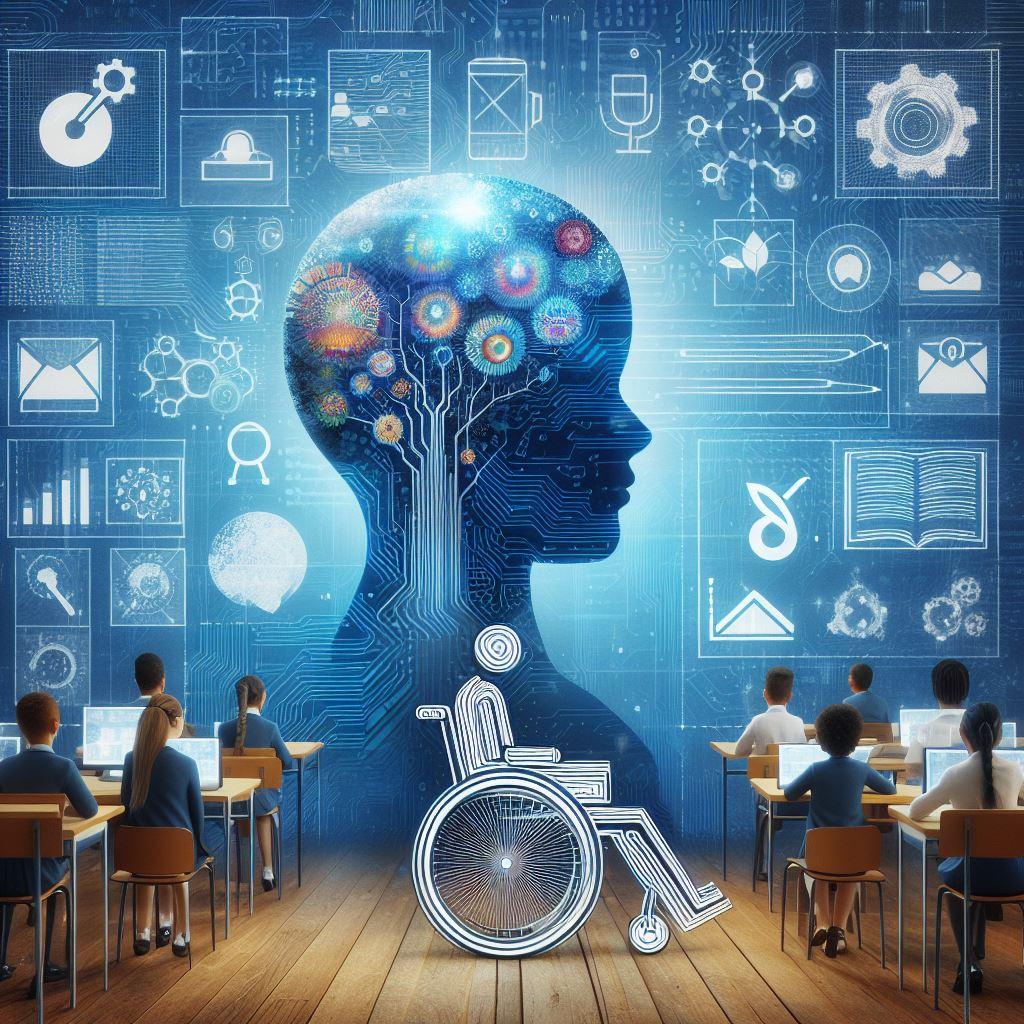
How AI is Transforming Support for Special Education Needs: Bridging the Gap in Learning
Introduction
Artificial Intelligence (AI) is rapidly reshaping the landscape of education, especially for students with special education needs (SEN). By bridging the gap in learning, AI-powered assistive technologies, personalized interventions, and innovative classroom tools are making education more inclusive and effective than ever before. In this article, we’ll explore how AI is transforming educational support for diverse learners, the benefits, practical tips for educators, and real-world case studies showing the profound impact of AI in special education.
Understanding Special Education Needs and the Learning Gap
Special education needs encompass a broad spectrum of cognitive, emotional, physical, and behavioral challenges that may impact a student’s learning experience. Students with autism, ADHD, dyslexia, visual or hearing impairments, and other learning disabilities often require tailored instructional approaches and support systems.
- Learning gap: The difference in academic achievement between students with SEN and their peers due to inadequate resources, traditional teaching methods, or lack of personalized support.
- Bridging the gap: Implementing adaptive technologies and strategies to ensure all students reach their full potential.
AI Applications in Special Education: A New Era of Support
The integration of AI in special education is transforming the way educators address individual student needs. Advanced algorithms, machine learning, and data analysis enable teachers and support staff to deliver adaptive, tailored learning experiences for every student.
1. Personalized Learning Platforms
- Adaptive software: AI-driven platforms analyze student performance in real time, adjusting the difficulty, content, and pace to match each learner’s abilities.
- Tailored content: Students with dyslexia,for example,can benefit from AI-powered reading programs that adapt texts and exercises to their reading level and pace,resulting in improved comprehension and confidence.
2. Speech and Language recognition tools
- Voice assistants: Tools like Siri, Google Assistant, or custom classroom solutions help students with speech disabilities communicate and learn in a supportive habitat.
- Real-time translation: AI can translate speech to text or text to speech, aiding students with hearing or visual impairments.
3. smart Tutoring Systems
- 24/7 support: AI tutoring systems provide continuous,on-demand assistance,enabling students to learn at their own pace.
- Targeted feedback: These systems use machine learning to analyze mistakes and provide personalized feedback, enhancing learning outcomes and engagement.
4. Predictive Analytics for early Intervention
- Data-driven insights: AI can identify patterns in student performance, predicting challenges before they escalate and enabling timely intervention.
- Individualized education plans (ieps): Educators can leverage AI analytics to create optimized IEPs, ensuring ongoing support is both effective and responsive.
5. Assistive Technology Devices
- AI-powered apps: Tools that help with mobility, communication, and daily tasks for students with physical disabilities.
- Automated scheduling: applications that assist in organizing lessons,therapies,and daily routines for improved time management and independence.
Key Benefits of AI in Special Education
The adoption of AI offers numerous advantages in the realm of special education, making learning experiences more accessible and impactful for students with diverse needs.
- Customized learning pathways: Automated adaptation to each student’s strengths and areas for growth.
- Enhanced engagement: Interactive and multimedia AI platforms stimulate interest among students who may struggle with traditional teaching methods.
- Scalable support: AI tools empower educators to manage larger caseloads without sacrificing quality of instruction.
- Reduced teacher workload: Automating administrative tasks and providing actionable insights free up teachers to focus on meaningful interaction and instruction.
- Improved inclusivity: AI removes barriers for students with disabilities, promoting equity and participation in mainstream classrooms.
Case Studies: AI Making a Difference in Special Education
Case Study 1: AI-Powered reading for Dyslexic Learners
A primary school in the UK adopted an AI reading app tailored for children with dyslexia. The app used machine learning to analyze each child’s errors, adjust word lists, and deliver targeted exercises.Within six months, 82% of participating students improved their reading proficiency by at least one grade level. Teachers reported greater engagement and reduced frustration in students, highlighting the platform’s effectiveness.
Case Study 2: Speech AI for Students with Autism
A public school district in California introduced AI-based speech recognition software in their special education classrooms. The system provided real-time feedback on pronunciation and intonation, allowing children with autism to practice social communication skills independently. Over the academic year, teachers observed notable improvements in verbal expression and confidence among participating students.
Case Study 3: Predictive Analytics for Early Intervention
Using an AI-driven analytics dashboard, a school in Singapore monitored progress for students with ADHD and learning disabilities. The AI flagged declines in engagement and performance, prompting personalized interventions and adjustments to IEPs. As a result, the school documented a 34% reduction in disciplinary incidents and a marked increase in overall academic achievement.
Firsthand Experience: Insights from Educators and Parents
“AI-powered tools have completely changed the way I teach.My students with special needs feel more supported, and I’m able to quickly respond to their challenges. The data-driven insights help me make decisions that were previously out of reach.”
— Julie Carter,Special Education Teacher
“My child’s reading difficulties didn’t discourage her anymore when we introduced an AI learning app. She now enthusiastically reads every day and feels proud of her progress!”
— Mark Sanders, Parent
Practical Tips: Maximizing the Benefits of AI in Special Education
- Start small: Introduce one AI tool or platform at a time and monitor its impact on student engagement and learning.
- Provide training: Ensure educators, students, and parents receive adequate training on using AI solutions.
- ensure privacy and security: Choose tools that comply with GDPR or FERPA regulations to protect sensitive student data.
- Seek feedback: Regularly collect insights from students and families to refine AI tools and approaches.
- Collaborate: Engage with other educators and specialists to share best practices, resources, and success stories.
Challenges and Considerations
While AI offers remarkable opportunities,it’s vital to address some challenges:
- bias and fairness: AI algorithms must be carefully designed to avoid perpetuating biases,ensuring support for every student.
- Access to technology: Not all schools or families have equal access to devices and digital infrastructure, potentially widening the learning gap.
- Training and adjustment: Educators may need time and support to integrate AI tools effectively into their teaching practice.
- Data privacy: safeguarding sensitive student details must remain a top priority.
Conclusion: The Future of AI in Special Education
The transformative power of artificial intelligence in special education is clear—schools worldwide are harnessing adaptive technologies to bridge the gap in learning and provide personalized, inclusive support for every student.By embracing AI thoughtfully and ensuring equitable access, stakeholders can shape an education system where all learners thrive, irrespective of ability. As AI advances, ongoing collaboration among educators, parents, and tech developers will be essential to maximize its benefits and overcome challenges.
Ready to begin? whether you’re an educator, parent, or advocate, start exploring AI-powered solutions today and help pave the way for a more accessible and empowering future in special education.