
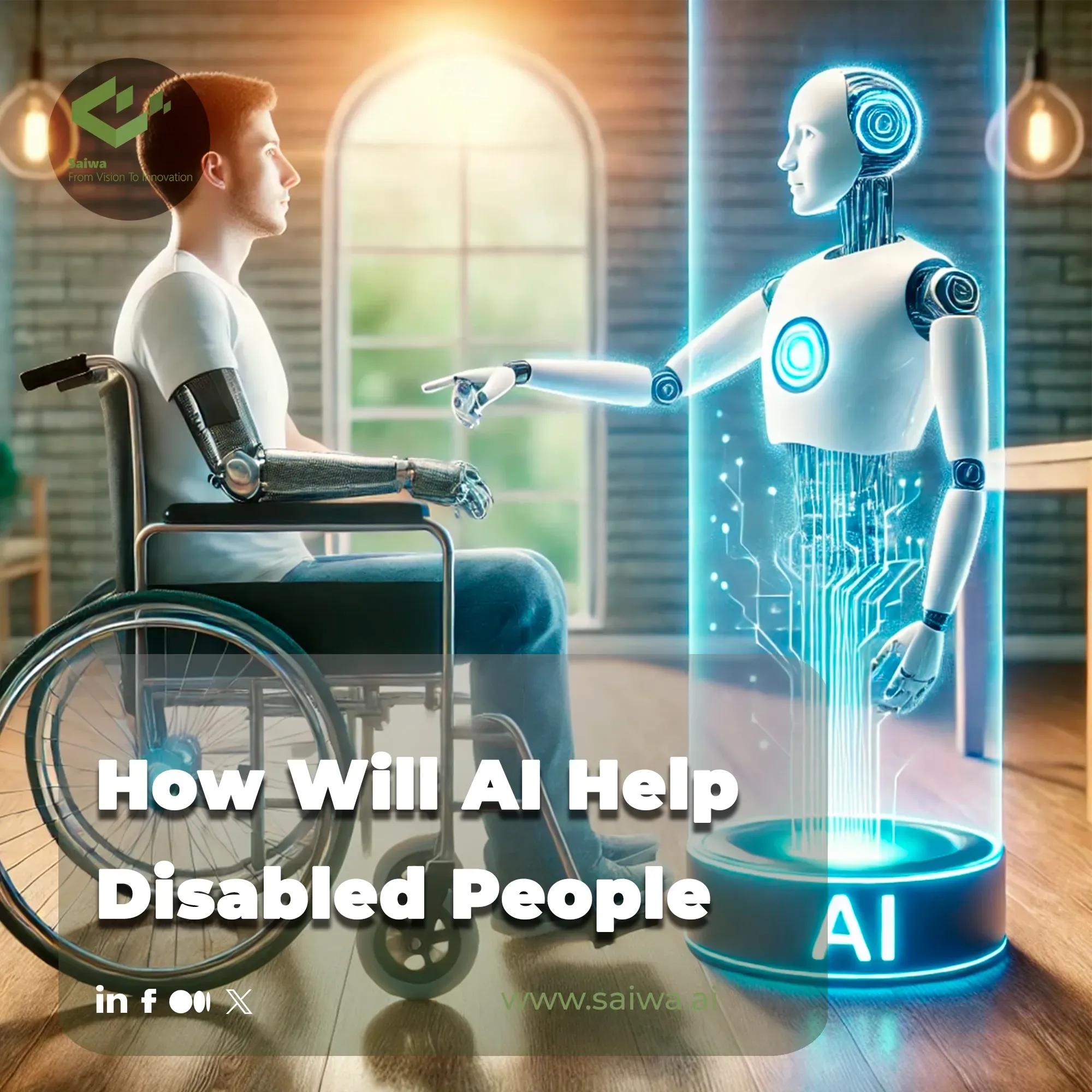
How AI is Transforming Support for Students with Disabilities: Benefits & Breakthroughs
In today’s rapidly evolving educational landscape, artificial intelligence (AI) is emerging as a powerful catalyst for inclusion and accessibility. For students with disabilities, AI isn’t just a technological trend—it’s a transformative tool that is breaking down barriers and opening new pathways to academic achievement and personal growth. In this in-depth article, we’ll explore how AI is transforming support for students with disabilities, highlight its key benefits and breakthroughs, share inspiring case studies, and provide practical tips for educators and institutions. Whether you’re a teacher, parent, or educational policy maker, read on to discover the future of inclusive education powered by AI.
AI and Accessibility: A New Era for Students with disabilities
The role of AI in education is expanding at an unprecedented rate. From personalized learning tools to advanced assistive technologies, AI-driven solutions are enabling students with a wide range of disabilities—including visual, auditory, cognitive, and mobility impairments—to access and engage with educational content like never before. By automating tasks, personalizing learning, and removing conventional barriers, AI is paving the way towards true educational equity.
Types of Disabilities supported by AI Technologies
- Visual Impairments: AI-powered text-to-speech, image recognition, and screen reader enhancements.
- Hearing Impairments: Automatic speech recognition, real-time captioning, and sign language translation.
- Learning Disabilities: Adaptive learning platforms, predictive analytics, and customized curriculum paths.
- Mobility impairments: Voice-activated controls, smart classroom navigation, and gesture-based interfaces.
Key Benefits of AI for Students with Disabilities
AI in special education isn’t just about technology—it’s about creating inclusive environments where all students can reach their full potential. Here are some remarkable benefits that AI brings to students with disabilities:
- Personalized Learning Experiences: AI analyzes student strengths, challenges, and learning styles to adjust content and teaching methods dynamically.
- Enhanced Communication: Speech-to-text, text-to-speech, and real-time translation tools empower students with communication challenges to interact and participate fully in class.
- Increased Independence: AI-fueled applications such as smart assistants and AI-powered navigation apps foster self-sufficiency.
- Proactive Support through Early Intervention: Predictive analytics can detect learning struggles earlier, enabling timely and targeted intervention strategies.
- scalable Support Solutions: Educators can leverage AI-driven platforms to offer individualized support to more students without compromising the quality of instruction.
Latest Breakthroughs in AI-Driven Assistive technology
AI advancements are ushering in a new generation of tools that are transforming lives. Some of the most notable breakthroughs include:
- AI-Powered Reading Tools: Programs like Microsoft Immersive Reader offer features like line focus, read-aloud, and grammar assistance—making reading easier for students with dyslexia and other reading difficulties.
- Real-Time Translators and Captioners: Apps such as Google Live Transcribe and Ava provide instant captioning for the hearing impaired, enabling greater access to lectures and discussions.
- Image & Object Recognition: Solutions like Seeing AI transform visual cues into audible facts for blind or low-vision students.
- Adaptive Learning Systems: AI-driven platforms such as DreamBox and Lexia dynamically adjust math and literacy content based on individual proficiency and pace.
- AI Chatbots for Mental Health and Support: Tools like Woebot offer confidential, accessible mental health support, especially beneficial for students who may struggle with in-person communication.
Case Studies: AI’s Real-World Impact on Students with Disabilities
Microsoft’s AI for Accessibility Initiative
Microsoft launched the AI for Accessibility initiative, supporting developers and non-profits to build AI solutions for people with disabilities. One standout project: Helpicto—an AI-powered communication platform assists children with autism by converting speech into visual sequences, improving their understanding and communication skills.
Georgia Tech’s virtual teaching Assistant
Georgia Tech implemented an AI-driven virtual assistant, “Jill Watson,” to support students with questions 24/7. Students with ADHD or learning differences particularly benefit from this on-demand, stigma-free support platform, allowing them to learn at their own pace.
Google’s Project Euphonia
project euphonia uses AI to improve speech recognition for individuals with atypical speech, such as those with ALS, Down syndrome, or cerebral palsy. By training on diverse speech samples,the AI models deliver more accurate dictation and communication support.
Practical Tips for Leveraging AI in Inclusive Education
If you’re an educator, school administrator, or caregiver, integrating AI tools can dramatically enhance support for students with disabilities. Here are actionable tips to get started:
- Conduct an Accessibility Audit: Review your existing digital resources and classroom practices to identify areas where AI can address accessibility gaps.
- Pilot AI Tools with Student Input: Involve students with disabilities in evaluating different AI-powered solutions, ensuring they address actual needs and preferences.
- Provide Training for Staff and Students: Offer professional growth for teachers and personalized instruction for students to maximize the effective use of AI tools.
- Stay Updated on Emerging Technologies: Join online communities or subscribe to newsletters focused on AI for accessibility to keep pace with new innovations.
- Advocate for Privacy and Data Security: Ensure compliance with privacy standards such as FERPA and GDPR, particularly when using AI tools that collect student data.
First-hand Experiences: Voices from the AI Classroom
“With AI captioning, I finally don’t miss a word in class discussions. It’s made me more confident and able to participate fully.”
— Sarah, High School Student with Hearing Impairment
“Our students can use AI-powered readers to break down elaborate texts at their own speed and level. it’s leveling the playing field for kids with dyslexia.”
— Mr. Jenkins, Middle School Special Education Teacher
Challenges and Considerations When Using AI for Students with Disabilities
- Equity of Access: Not all students have equal access to reliable internet or appropriate devices—schools need policies to ensure equitable distribution of AI tools.
- Bias in AI Algorithms: AI systems can reproduce or even amplify social biases if not properly designed and trained on diverse datasets.
- User Training and Support: Both staff and students require ongoing support to integrate AI tools efficiently, especially considering varying levels of tech-savviness.
- Ethical Data Use: Responsible data collection and management is paramount to protect sensitive information.
Conclusion: The Future of Inclusive Education with AI
AI technology holds incredible promise for students with disabilities, transforming not just how they learn, but how they interact with the world. From adaptive learning solutions to bright assistive devices, we are witnessing a fundamental shift towards smarter, more inclusive classrooms. For educators, embracing AI means fostering environments where every student’s strengths and needs are recognized and supported—helping all learners thrive. As research and innovation continue, it’s clear that AI-powered accessibility is not just a future possibility—it’s happening now.
Ready to make your classroom more inclusive? explore the latest AI tools and join the movement to empower every student, nonetheless of ability. For more practical insights on AI in education and accessible learning technologies, subscribe to our newsletter or browse our other expert resources.