
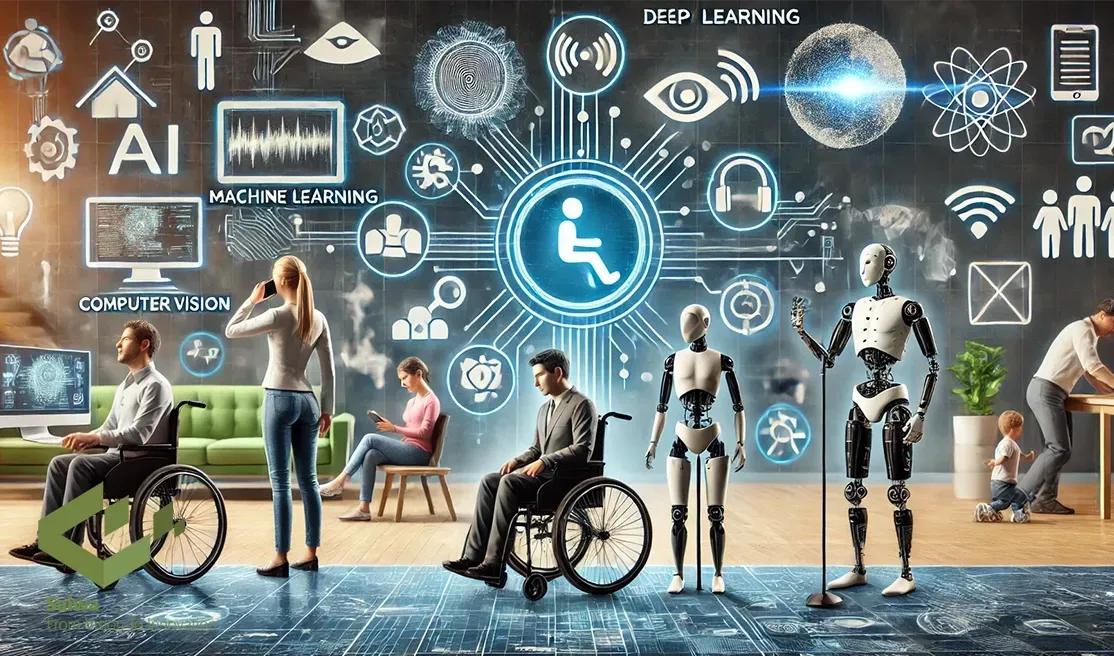
How AI is Transforming Support for Students with Disabilities: Benefits, Challenges, and Future Trends
In the evolving landscape of education, artificial Intelligence (AI) is rapidly becoming a game-changer, especially for students with disabilities. By harnessing the power of AI-driven technologies, schools and educators are now better equipped than ever to create inclusive learning environments tailored to individual needs.In this comprehensive guide, we dive into the impact of AI on students with disabilities, explore its manny benefits, highlight current challenges, share real-world case studies, and offer a glimpse into future trends.
Why Supporting Students with Disabilities Matters
According to the World health Organization, over one billion people—about 15% of the global population—experiance some form of disability. In schools worldwide, students with disabilities frequently enough face barriers to equal learning opportunities. These might include:
- Limited access to assistive technology
- Insufficient customized learning materials
- Lack of trained special education staff
- General infrastructure challenges
As educators and institutions strive to nurture inclusive education, AI in special education plays a crucial role in bridging existing gaps.
Key Benefits of AI for Students with Disabilities
The capabilities of AI-based tools are revolutionizing support for special needs learners in remarkable ways. Here are some of the most impactful benefits:
1. Personalized Learning Experiences
- Adaptive content: AI-powered platforms can assess each student’s learning style and tailor educational content accordingly—making learning more accessible and enjoyable.
- Dynamic pacing: Students can progress at their own speed, ensuring no one is left behind or held back.
2. Improved communication for Students with Speech and Hearing Disabilities
- Real-time speech-to-text: Enables students with hearing impairments to follow classroom instruction thru live captions.
- Text-to-speech and voice recognition: Assist students with communication disorders by turning written text into understandable speech or enabling them to interact using their voice.
3. enhanced Accessibility for Students with Visual Impairments
- AI-powered screen readers: Turn on-screen content into audio or braille output.
- Image recognition technology: Describes visual content, such as charts or images, for those with low vision or blindness.
4. Smarter Classroom Integration
- Automated grading and feedback: Frees up educators’ time,allowing them to focus on personalized support.
- Predictive analytics: AI identifies which students might need extra help, enabling proactive intervention.
5. Increased Independence and Confidence
-
Encourages more autonomous learning by offering accessible educational resources.
-
Boosts student confidence as they achieve success tailored to their unique abilities and pace.
Practical Tips: How Schools can Integrate AI-Based Accessibility Tools
For schools and educators looking to optimize learning for students with disabilities, consider the following best practices:
- Start with a technology audit: Identify current accessibility gaps in your institution and determine where AI can definitely help.
- Invest in teacher training: Ensure educators are knowledgeable about available AI tools and how to use them effectively.
- Engage students and families: Involve them in choosing and testing solutions to improve buy-in and usability.
- prioritize data privacy: Any AI system should comply with regulations like FERPA and GDPR to protect student details.
- Partner with experts: Collaborate with organizations specializing in assistive technology or disability advocacy for tailored solutions and support.
Challenges in Using AI for Students with Disabilities
While AI holds immense promise, several challenges must be addressed to ensure equitable support for all students:
- Data bias: AI models trained on biased datasets may fail to address the needs of diverse learners, risking exclusion.
- Affordability: High-quality AI tools and infrastructure may be expensive for underfunded schools.
- Complexity of individual needs: Disabilities are highly varied; AI systems must be flexible enough to accommodate a wide range of challenges.
- Privacy and security: Sensitive student data must be handled with stringent privacy measures.
- Training gaps: Educators may need ongoing professional growth to maximize the potential of AI-based accommodations.
- Accessibility of AI tools: Some AI-driven platforms themselves may not be fully accessible, creating new barriers.
Real-World Case Studies: AI Making a Difference
- Microsoft’s Immersive Reader: This tool leverages AI to help students with dyslexia and other reading difficulties by providing features like text spacing, reading aloud, and translation. Schools report increased engagement and comprehension among students using Immersive Reader.
- Seeing AI App: Created by Microsoft, this free app narrates the world around visually impaired users, describing people, text, objects, and scenes using advanced computer vision technology.
- Speech-to-Text Tools in Classrooms: AI-based speech recognition tools, such as Otter.ai and google’s Live Transcribe, enable real-time communication support for students with hearing loss.
- AI for Autism Support: Some educational programs use AI-driven social robots, like QTrobot, to help children with autism develop social and communication skills through interactive exercises.
First-Hand Experience: Voices from the Classroom
“The introduction of AI-powered screen readers transformed our classroom for visually impaired students. They can now access and contribute to lessons in real time—something that was nearly unachievable just a few years ago.”
— Sarah Williams, Special Education Teacher, California
“Our son with dyslexia found reading a daily struggle. Sence his school started using personalized AI learning apps, his confidence and reading ability have improved dramatically.”
— Parent of a 6th Grader, Texas
The Future of AI in Supporting Students with Disabilities
As AI technology matures, the future holds even more possibilities for accessible education. Here’s what to watch for in the coming years:
- Greater personalization: AI systems will further refine their ability to adapt learning materials by analyzing even more nuanced individual needs.
- Natural user interfaces: Advancements in gesture recognition and brain-computer interfaces could offer new ways for students with severe physical disabilities to interact with educational content.
- Universal design: more AI-powered tools will be built to be accessible from the ground up, reducing the need for costly customizations.
- Collaborative partnerships: Ongoing collaboration between tech companies, educators, advocacy groups, and students will drive innovation and practical adoption.
- Ethical considerations: Addressing bias, openness, and accountability will become central to the development of accessible AI in education.
conclusion: Harnessing AI for a More Inclusive Future
AI is undeniably reshaping the way we support students with disabilities, offering transformative benefits in terms of accessibility, communication, and personalized learning. While challenges remain—from data bias to affordability—ongoing innovation and inclusive design promise a future where every learner, nonetheless of ability, can thrive. By embracing AI thoughtfully and ethically,educators and schools can empower all students to reach their full potential.
For forward-thinking institutions and families, now is the time to learn about and invest in these evolving tools. The journey toward universal accessibility in education—supported by AI—has only just begun, and its possibilities are limitless.