
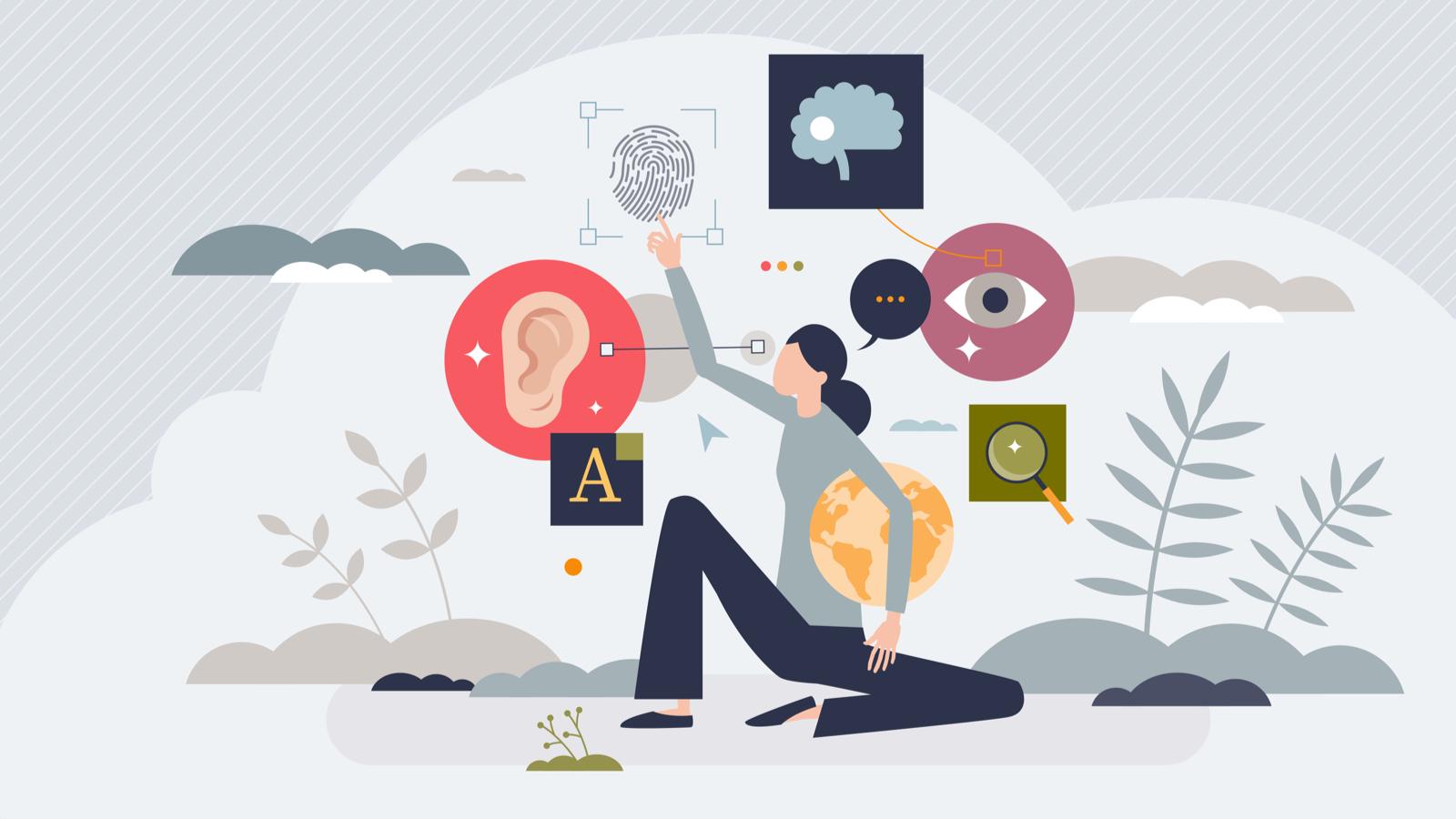
How AI is Transforming Support for Students with Disabilities: Enhancing Education and Accessibility
In recent years,artificial intelligence (AI) has revolutionized the landscape of education,particularly in supporting students with disabilities. Through advanced technologies, AI is breaking down barriers and opening new doors for inclusive learning. From personalized learning plans to accessible content, AI-driven tools help empower every student, nonetheless of their abilities.In this thorough guide, we’ll explore how AI is transforming support for students with disabilities, discuss key benefits, provide practical examples, and share actionable tips for educators and parents seeking to maximize these advancements.
Why AI Matters in Special Education and Accessibility
Millions of students worldwide face challenges due to physical, cognitive, sensory, or learning disabilities. Customary teaching methods, while effective for some, often overlook the unique needs of these learners. With AI, innovative solutions now make education more adaptive, engaging, and accessible for students with disabilities. Here’s why integrating AI in special education is a game-changer:
- Personalization: AI tailors learning experiences to individual needs,adapting content pace,format,and difficulty.
- Accessibility: AI-driven assistive technologies offer text-to-speech, automatic captioning, and screen readers for improved access.
- Inclusivity: Automated translation and real-time sign language detection facilitate communication across diverse learning environments.
- Efficiency: Teachers can focus on teaching while AI manages routine tasks, assessments, and content adaptation.
How AI Enhances Education for students with Disabilities
1. Personalized Learning and Adaptive Assessments
Students with disabilities frequently enough have unique learning styles. AI-powered platforms analyze student interaction and performance data to create custom lesson plans, practice sets, and assessments. This ensures instruction meets each learner at their skill level. For example:
- Adaptive assessment tools modify questions in real time based on student responses, identifying strengths and areas for growth.
- Learning management systems (LMS) with AI monitor progress and recommend resources for further practice or enrichment.
2. Enhancing Communication and Collaboration
Communication barriers pose significant challenges for many students. AI-powered applications facilitate collaboration by translating spoken or written language and even interpreting non-verbal cues. Some key examples include:
- Speech-to-text and text-to-speech tools help students with hearing or visual impairments participate in classroom discussions and complete assignments.
- AI-based language translators break down language barriers, supporting students for whom English is not a first language or who use sign language.
3. Automating Accessibility Across Content
AI-driven technologies convert traditional educational materials into accessible formats. This automation streamlines the creation of resources for all students:
- OCR (Optical Character Recognition) turns printed materials into digital, screen-reader-kind documents.
- Real-time captioning of live lectures and videos ensures participation for students with hearing disabilities.
- Image and object recognition helps students with visual impairments by providing audio descriptions of educational visuals.
4. Supporting Students with Cognitive and Learning Disabilities
AI’s pattern recognition and data analysis capabilities support students with conditions such as ADHD, dyslexia, or autism:
- Predictive analytics identify students who may need additional support or intervention before problems escalate.
- clever tutoring systems provide step-by-step feedback and encouragement, adapting to students’ unique learning rhythms.
Real-World Case Studies: AI in Action for Inclusive Education
Case Study 1: Microsoft Immersive Reader
Microsoft’s Immersive Reader uses AI to break down complex texts for struggling readers, including those with dyslexia, ADHD, and visual impairments. Features include line focus, text spacing, read-aloud, and real-time translation, making content accessible and understandable.
Case Study 2: Google’s Live Transcribe
Google’s Live Transcribe leverages AI to provide real-time speech-to-text transcription,empowering students with hearing loss to follow lectures and participate in discussions with unprecedented ease.
Case Study 3: AI-Powered Tutoring in Higher Education
At Georgia State University, AI chatbots guide students through administrative and academic queries, helping those with cognitive disabilities manage tasks and deadlines through personalized reminders and step-by-step instructions.
Key Benefits of AI for Students with Disabilities
- Increased Independence: AI tools empower students to navigate learning on their own, building confidence and autonomy.
- improved Academic Outcomes: Personalized and timely support leads to better engagement and higher performance.
- Greater Inclusion: AI bridges communication gaps, supporting seamless interaction among students of differing abilities.
- Teacher Support: With AI managing repetitive tasks, educators dedicate more time to one-on-one interaction and personalized teaching.
- Continuous Feedback: Real-time data helps both students and teachers adjust strategies quickly for optimal outcomes.
Practical Tips for Educators and Parents: Maximizing AI for Accessibility
integrating AI effectively requires thoughtful planning. Here are practical steps for educators and parents to enhance accessibility in education using AI:
- Evaluate Needs: Collaborate with special education professionals to identify students’ specific challenges and choose tailored AI tools.
- Prioritize User-Friendly Tools: Ensure selected AI resources have intuitive interfaces suitable for all learners.
- Provide Training: Offer hands-on training for both students and staff to maximize tool effectiveness and comfort.
- Monitor Performance: Use AI analytics to track progress and routinely adjust learning plans.
- Safeguard Privacy: Be mindful of student data privacy; choose platforms compliant with educational standards (like FERPA and GDPR).
- Encourage Feedback: Regularly seek input from students on tool effectiveness and ease of use.
First-Hand Experience and the Future of AI in Inclusive Education
Educators and students alike are witnessing the tangible benefits of embracing AI in classrooms:
“As introducing AI-powered reading tools, my students with dyslexia are more confident and participate actively in reading tasks. It’s transformative!” – Laura M., Special Ed Teacher
The future promises even greater advances, with AI systems becoming more intuitive, culturally aware, and personalized.Ongoing research and collaboration between technologists, educators, and disability advocates will further drive innovation, making classrooms more inclusive and supportive for every learner.
Conclusion: Empowering Every Student Through AI and accessibility
AI’s transformative impact on supporting students with disabilities is undeniable. With tools that personalize instruction, enhance accessibility, and foster inclusion, schools can bridge the achievement gap and unlock new opportunities for all learners. By understanding the practical uses and future potential of AI in education, we can create a world where every student, regardless of ability, has equal access to learning and growth.
Want to learn more about using AI and assistive technologies in education? Subscribe to our newsletter for the latest insights on accessibility,inclusion,and the future of learning!