
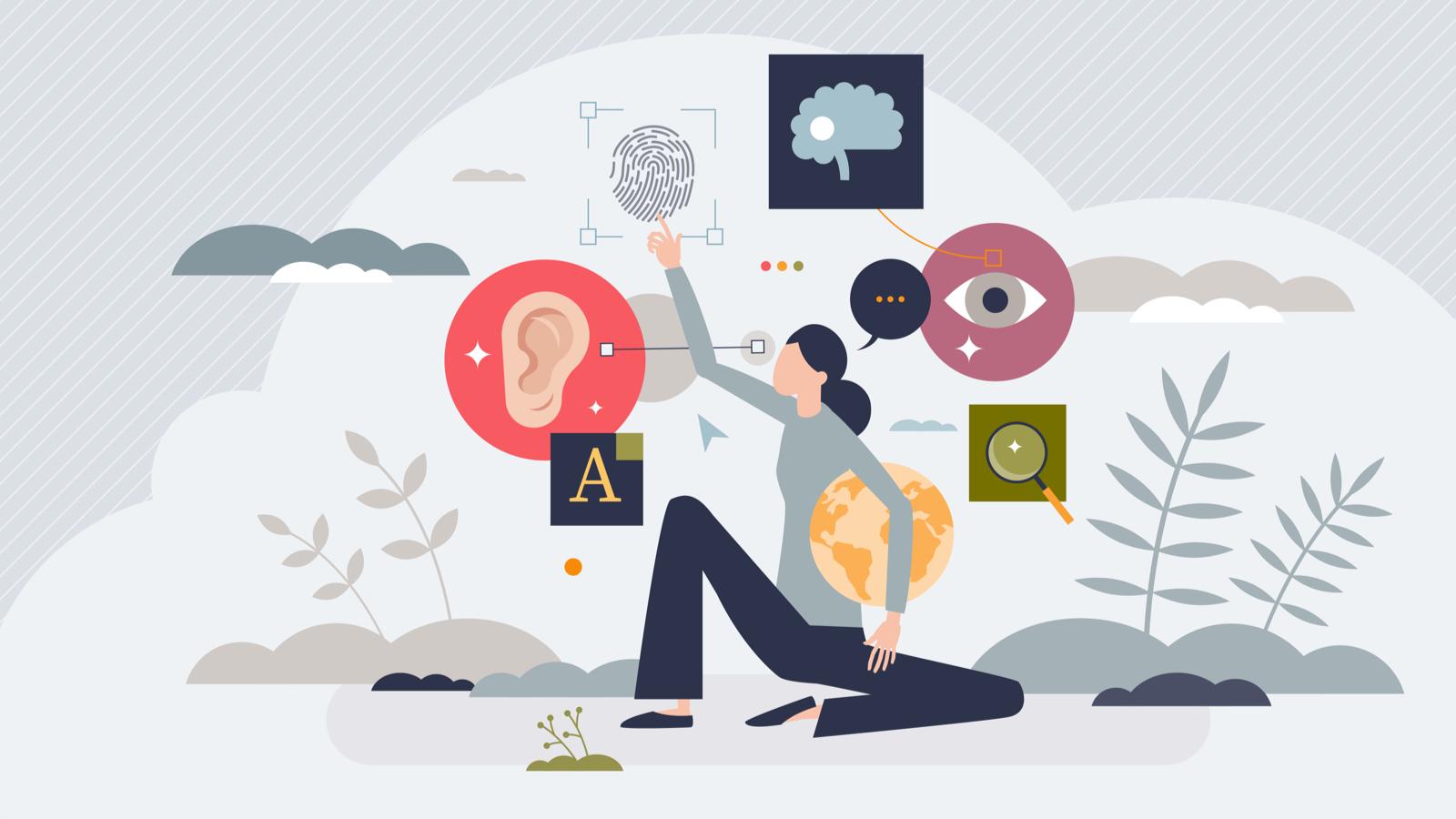
How AI is Transforming Support for Students with Disabilities: Enhancing Learning and Accessibility
Artificial intelligence (AI) is rapidly reshaping the educational landscape, offering transformative solutions for students with disabilities. From personalized learning tools to advanced accessibility features, AI-powered technologies are breaking down barriers, making education more inclusive and effective for learners of all abilities. in this extensive guide, we’ll explore how AI is enhancing support for students with disabilities, review real-world case studies, and offer practical advice for educators and families.
Understanding the Role of AI in Special Education
Today, AI in education is more then just a buzzword—it’s a game-changer, especially for students with disabilities. AI-driven technologies are designed to adapt and respond to an individual’s unique needs, offering customized learning pathways and improving both academic performance and emotional well-being. The integration of AI for accessibility is paving the way for a more inclusive educational system, where all students can thrive.
What Makes AI So Impactful?
- Personalization: AI analyzes data to tailor educational content and pace to each student’s specific requirements.
- Immediate Feedback: Students receive instant responses, enabling timely corrections and encouragement.
- Enhanced Engagement: Interactive content powered by AI keeps students motivated and invested in their learning journey.
- Unparalleled Accessibility: AI tools bridge communication gaps, offering support for a variety of disabilities—physical, sensory, cognitive, and beyond.
Key Ways AI is Enhancing Learning and Accessibility
Let’s dive into the specific ways in which AI is transforming support for students with disabilities:
1. Personalized Learning Experiences
AI-powered applications like adaptive learning platforms adjust curriculum materials based on a student’s strengths, preferences, and areas for growth. For example, platforms such as DreamBox, KidSense, and Carnegie Learning use AI algorithms to:
- Customize lesson pacing and content complexity
- Identify and address learning gaps in real time
- Present facts in multiple formats (audio, visual, interactive)
2. Enhanced Communication for Nonverbal Students
AI communication devices—including advanced text-to-speech and speech recognition software—empower nonverbal students or those with speech/language impairments to express themselves more freely. Popular tools such as Augmentative and Alternative Communication (AAC) apps leverage AI to:
- Predict words or phrases based on user context and history
- Convert text and symbols into clear, natural-sounding speech
- Foster self-reliant communication in classrooms and at home
3. Real-Time Transcription and Translation
For students who are deaf or hard of hearing, AI-powered speech-to-text transcription services like Otter.ai and Microsoft’s live captioning make lectures and discussions accessible. These AI tools can:
- Provide instant, accurate written transcripts of spoken language
- Offer translations to different languages, supporting multilingual learners
- Integrate seamlessly into video calls, in-person lessons, and digital coursework
4. Visual Assistance & Image Recognition
AI-driven image recognition and description tools like Seeing AI and Google Lookout assist students with visual impairments by describing surroundings, reading documents, and identifying objects. This technology enables students to:
- Navigate environments independently
- Access written content with screen readers and audio descriptions
- Participate fully in both online and offline learning environments
5. Cognitive Support and Organization
AI-powered organizational tools can be transformative for students with cognitive disabilities such as autism or dyslexia. These technologies offer:
- Smart scheduling and reminders (e.g., Google Calendar AI features)
- text simplification and summarization for easier understanding
- Digital assistants that help manage tasks and routines
Real-World Case Studies: AI in Action
Case Study 1: AI-Adaptive Software for Dyslexia
A leading high school in New York implemented Lexia, an AI-powered reading platform, to support students with dyslexia. The system identified individual phonological weaknesses and delivered personalized exercises. After one semester, reading proficiency among these students improved by 35%, and teacher interventions became more targeted and effective.
Case Study 2: Speech-to-Text for college Access
At a major university, real-time AI captioning allowed deaf students to follow lectures, participate in group work, and access recorded sessions. Student surveys highlighted increased engagement and independence, while faculty noted smoother classroom integration.
Case Study 3: AI-Powered Communication for Autism
A public elementary school deployed an AI-driven AAC app to assist a student with nonverbal autism. With predictive text and image-based communication, the student participated in class discussions and social activities, which led to significant improvements in both academic and social development.
Benefits of AI for Students with Disabilities
The introduction of AI in special education brings a host of benefits:
- equal Access: Removes many traditional barriers, ensuring every student can access curriculum and resources.
- Empowerment: Reduces dependence on support staff, allowing students more autonomy.
- Mental Health: Personalized support decreases frustration and anxiety, boosting confidence.
- Scalability: AI solutions can be implemented across classrooms, supporting large numbers of students efficiently.
Challenges and Considerations
While the impact of AI is immensely positive, it’s vital to consider:
- Digital Divide: Not all schools or students have equal access to the latest technology.
- Privacy Concerns: AI tools collect sensitive data; strong security measures are essential.
- Need for Human oversight: AI cannot fully replace the support and empathy of dedicated educators and support staff.
Practical Tips for Educators and Parents
Implementing AI-powered tools in the classroom or at home doesn’t have to be overwhelming. Here are some practical tips:
- Start with pilot programs—test tools with small groups and gather feedback.
- Prioritize user-friendly, accessible interfaces with customizable options.
- Involve students and families in technology selection and training.
- Work collaboratively with IT departments to safeguard student data and privacy.
- Keep up to date with emerging AI tools and best practices in special education.
First-Hand Experience: Voices from the Community
“Using an AI-powered communication device allowed my son to tell us what he wanted for the very first time. It changed our entire family dynamic for the better.”
— parent of a nonverbal student, California
“The speech-to-text app helped me follow along in class without missing important details. I feel more confident and independent than ever.”
— University student with hearing impairment
Conclusion: The Future of AI in Accessible Education
The ways in which AI is transforming support for students with disabilities will only continue to grow as technology advances. By providing personalized learning, enhancing communication, and removing barriers to accessibility, AI ensures every learner can reach their full potential. Though, it is indeed crucial to implement these technologies thoughtfully and inclusively, with input from students, parents, and educators. When harnessed correctly, artificial intelligence can be a powerful ally in shaping a future where education is truly accessible for all.
ready to explore how AI can make education more inclusive in your school or home? Stay informed, be proactive, and embrace the transformative possibilities that AI offers for students with disabilities!