
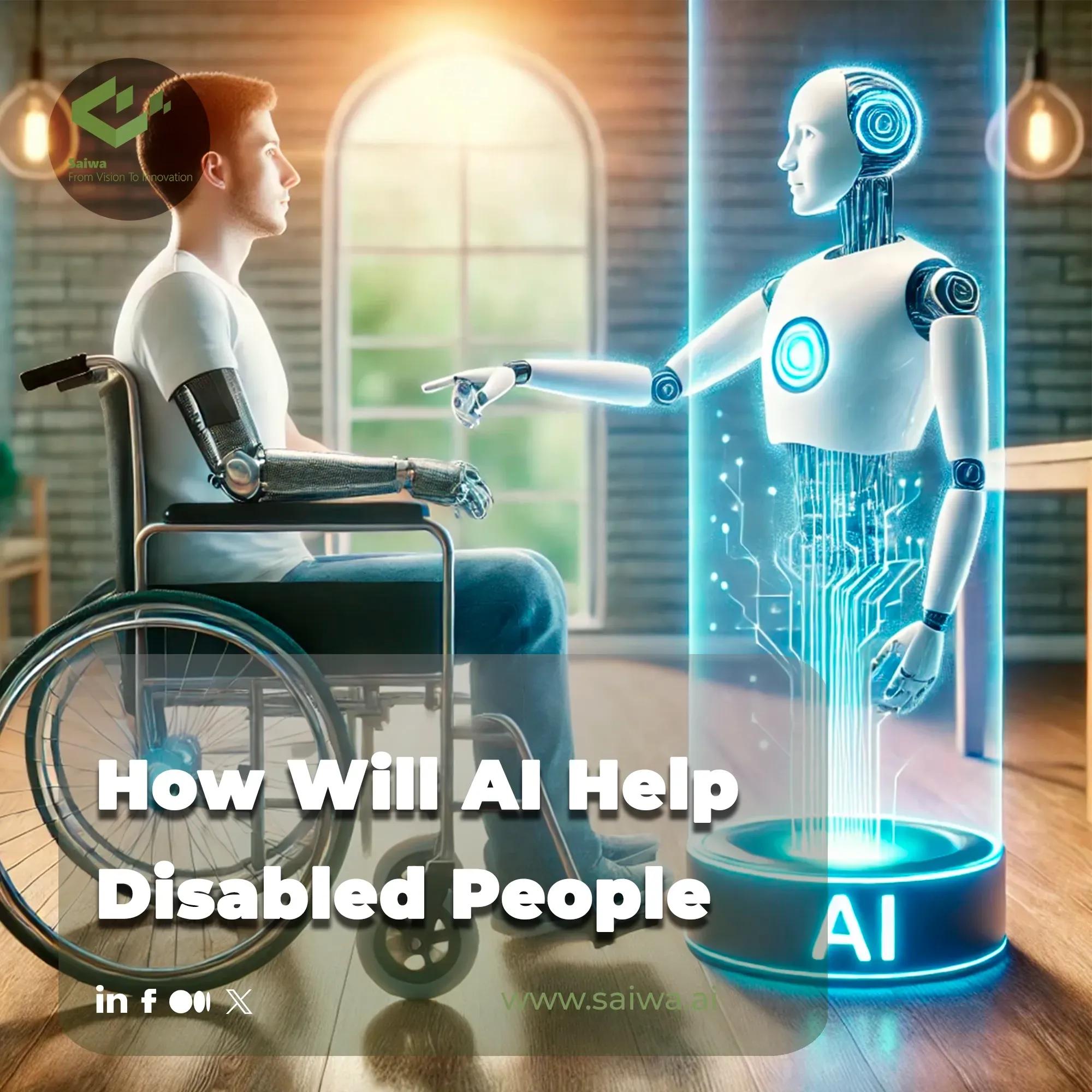
how AI is Transforming Support for Students with Disabilities: Innovative solutions and Benefits
Artificial Intelligence (AI) is making profound changes across all sectors, but perhaps nowhere is its impact more life-changing than in the realm of education for students with disabilities. For decades, these students have faced unique challenges in accessing appropriate learning resources and support. Today, thanks to cutting-edge technologies, AI-powered solutions are opening up new possibilities for inclusive education, leveling the playing field, and breaking down barriers like never before.
Understanding the Role of AI in Special Education
AI, through machine learning, natural language processing, and adaptive technologies, is transforming the way educators support students with disabilities. From real-time speech-to-text converters to bright learning platforms that tailor content for each learner, AI brings personalization and accessibility into the classroom.
- Personalized Learning: AI adapts curriculum content to fit individual student needs, ensuring better engagement and understanding.
- Assistive Technologies: Advanced AI tools support dialog, mobility, reading, and writing for students with varying disabilities.
- Data-Driven Insights: Educators can utilize AI-generated analytics to identify learning gaps and track student progress more efficiently.
Innovative AI Solutions for Students with Disabilities
The landscape of special education is being redefined by a suite of innovative AI-powered tools. Here are some of the most impactful developments:
1. Speech and Language Support
- Speech-to-Text Applications: Platforms like MicrosoftS Seeing AI or Google’s Live Transcribe provide real-time transcription, ideal for students with hearing impairments.
- Text-to-Speech Tools: AI-driven text-to-speech software reads digital content aloud, assisting students with visual impairments or dyslexia.
- Natural Language Processing: Virtual assistants and chatbots answer questions instantly, offering additional support outside traditional classroom hours.
2. Visual and Sensory Assistance
- Image Recognition: AI systems can describe objects, scenes, and even facial expressions, aiding visually impaired students to better navigate their environments.
- Multi-sensory Platforms: These tools combine audio, visual, and tactile elements, supporting learning for students with autism spectrum disorders.
3. Adaptive Learning Platforms
- Intelligent Tutoring Systems: Platforms like DreamBox or Smart Sparrow modify lesson difficulty based on a student’s real-time performance.
- Gamified Learning: Interactive apps motivate students with ADHD or other cognitive disabilities by turning lessons into games, sustaining focus and participation.
4. mobility and Communication Aids
- AI-Powered Communication Devices: Augmentative and alternative communication (AAC) tools enable non-verbal students to interact more effectively.
- Smart Wheelchairs: Integrating AI for navigation and obstacle avoidance, these devices enhance independence for students with physical disabilities.
Benefits of AI for Students with Disabilities
Integrating AI into special education delivers a wide range of benefits, drastically improving outcomes for students with disabilities:
- Increased Independence: AI solutions empower students to access learning materials and participate in class activities without constant assistance from educators or aides.
- Greater Accessibility: All learners can access subject content in formats best suited for their needs—audio, visual, or tactile.
- Enhanced Engagement: Personalized learning keeps students interested and motivated, reducing frustration.
- Real-time Feedback: Teachers and students receive instant feedback,allowing for swift intervention and support.
- Early Intervention: AI systems can flag emerging learning difficulties, helping educators implement timely strategies.
Real-World Case Studies
Numerous schools and organizations have already successfully integrated AI-based solutions for students with disabilities. Here are a few inspiring examples:
Case Study 1: AI-Powered Reading Assistance at Perkins School for the Blind
Perkins school for the Blind implemented an AI-driven reading assistant that recognizes text in books and documents, instantly converting it into audio.This tool not only increased reading comprehension but also improved student confidence and independence.
Case Study 2: AI-Enabled Learning at the Bridge school
The Bridge school in California introduced communication devices powered by AI for students with severe speech and physical impairments. As a result, students gained greater ability to interact with peers, actively participate in lessons, and express their individual needs.
Case Study 3: Dynamic Learning Paths at gateway Academy
Gateway Academy, serving students with ADHD and learning differences, used AI-based personalized learning platforms.Analytics from the system allowed teachers to tailor support, resulting in noticeable academic improvements and raised self-esteem among students.
Practical Tips for Leveraging AI in Special Education
Bringing AI into the classroom does not have to be overwhelming. Follow these best practices to maximize the benefits of AI for students with disabilities:
- Start Small: Begin by integrating one or two AI-powered tools,such as speech-to-text apps or adaptive learning games,before scaling up.
- Seek Student Feedback: Regularly ask students which technologies are most helpful, and adjust your approach based on their input.
- Provide Training: Ensure teachers, aides, and parents are comfortable using new AI tools and understand their capabilities and limitations.
- Prioritize Privacy: Select solutions that comply with data privacy regulations, such as FERPA or GDPR.
- Collaborate: engage with parents, therapists, and IT professionals to create the most effective support system for each student.
Challenges and Considerations
While AI in education for students with disabilities boasts immense potential, it’s critically important to remain aware of certain challenges:
- Access and Equity: Not all schools have equal access to advanced AI technologies due to budget constraints.
- Training and Support: Educators need ongoing professional growth to keep up with rapidly evolving tools.
- Ethical and Privacy Concerns: Protecting student data and ensuring AI algorithms are free from bias is critical.
- Human Element: AI tools must enhance, not replace, the compassionate, personalized touch provided by teachers and support staff.
future Trends in AI for special Education
The next decade will witness even more innovative uses of AI in support of students with disabilities:
- Emotion Recognition: Systems that detect student frustration or confusion, prompting timely intervention.
- Wearable AI: Smart devices that continuously monitor attention, stress levels, and mobility for just-in-time support.
- More Inclusive Design: AI-driven tools that accommodate a wider range of abilities, including cognitive and emotional diversity.
Conclusion
Artificial Intelligence is rapidly transforming support for students with disabilities, offering hope, empowerment, and unprecedented opportunities for personalized learning and inclusion. AI-powered innovations are breaking historical barriers,leading to increased independence,improved academic achievement,and brighter futures for millions of learners worldwide.
As educators, parents, and technologists continue to collaborate and harness the power of AI in special education, the focus must remain on creating responsive, ethical, and inclusive solutions that address the unique needs of every learner. By staying informed and open-minded, we can ensure that artificial intelligence continues to light the path toward a more accessible and equitable educational experience for all.