
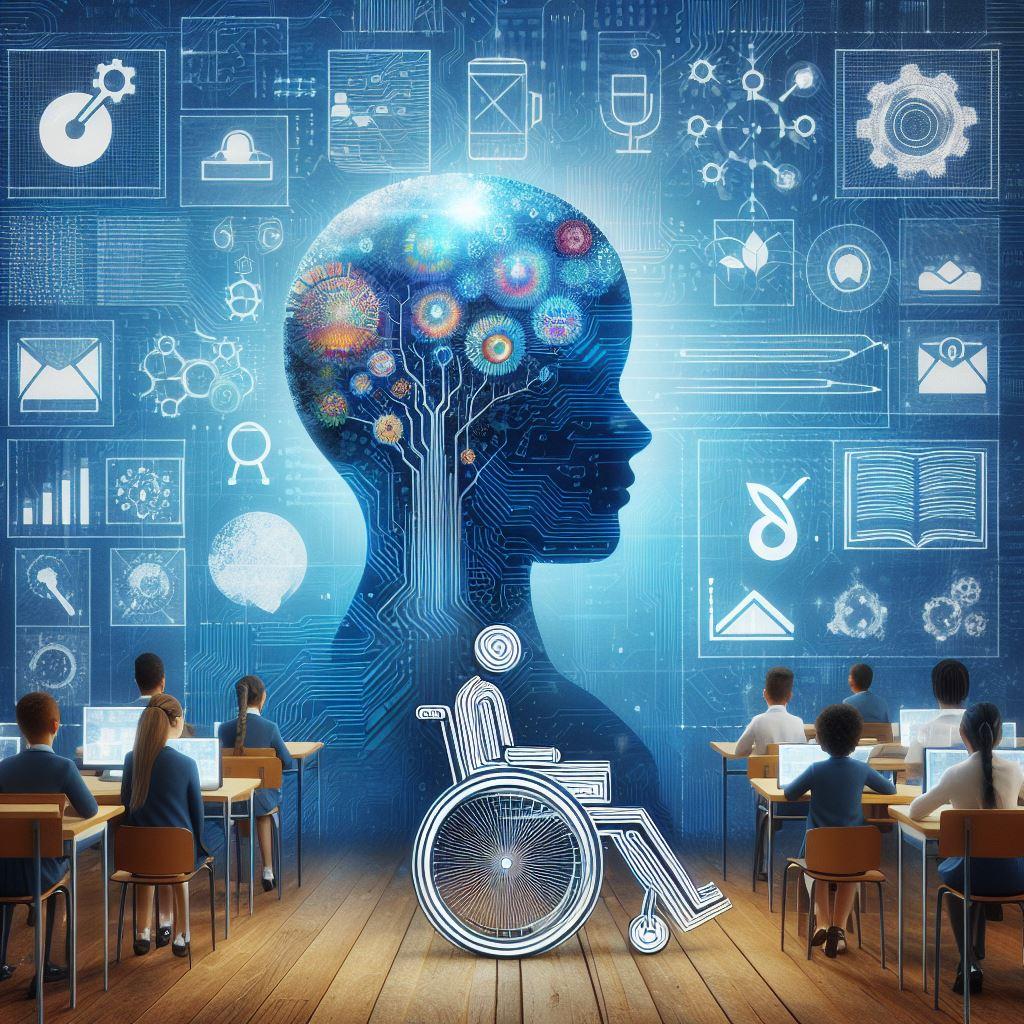
How AI is Transforming Support for Students with Disabilities: Revolutionizing Inclusive Education
In the digital era, technology plays a pivotal role in reshaping the landscape of education.
Artificial Intelligence (AI) stands at the forefront of this revolution, offering new hope and possibilities for students with disabilities. AI-powered solutions are making inclusive education more effective, accessible, and personalized than ever before. This thorough article explores how AI is transforming support for students with disabilities, the latest advancements, key benefits, and practical ways to foster accessibility and success in every learning environment.
The Importance of Inclusive education for Students with Disabilities
Inclusive education aims to ensure that all learners, regardless of their abilities, can participate meaningfully in mainstream educational settings. Though, students with disabilities have historically faced barriers such as limited resources, inaccessible materials, and lack of personalized support. Today, AI in education is breaking down these barriers and offering tailored solutions that cater to the unique needs of each student.
How AI is Transforming Support for Students with Disabilities
1. Personalized Learning and Adaptive Technologies
- Adaptive Learning Platforms: AI-driven platforms assess students’ abilities and learning styles, adjusting content and pace to suit individual needs. This supports learners with cognitive disabilities or specific learning difficulties like dyslexia.
- Intelligent Tutoring Systems: Customized virtual tutors can provide step-by-step guidance, explanations, and feedback, helping students overcome challenges in real time.
- Progress Tracking: AI can monitor progress, identify strengths and weaknesses, and suggest targeted interventions for students and educators alike.
2. Enhanced Accessibility Through Assistive Technologies
- Speech Recognition Tools: AI-powered speech-to-text applications empower students with mobility or motor impairments to write essays or communicate ideas effortlessly.
- Text-to-speech Software: These tools convert written content into audio, aiding students with visual impairments or reading difficulties.
- augmentative and Option communication (AAC): AI enhances communication boards and apps, expanding vocabulary and allowing students with complex communication needs to express themselves more effectively.
3. Vision and Hearing Support
- AI-powered captioning: Real-time captioning and transcription make videos and lectures accessible for deaf or hard-of-hearing students.
- Object Recognition: For visually impaired students, AI apps describe surroundings, read text aloud from images, and facilitate autonomous navigation within schools.
- Sign Language Recognition: AI models can interpret and translate sign language into text or spoken word, bridging communication for non-verbal students.
4. Emotion and Engagement Monitoring
- Emotional AI: AI-driven analytics can monitor student engagement through facial expressions or tone of voice, alerting educators early to frustration, boredom, or confusion—especially helpful for students with Autism Spectrum Disorder (ASD).
- Behavioral Insights: Automated feedback helps teachers adapt instruction and offer timely interventions.
Benefits of AI in Inclusive Education
- Increased Independence: Empowering students to access curriculum and communicate without constant assistance.
- Personalized Support: Tailoring learning materials and methods to individual strengths and needs.
- enhanced teacher Effectiveness: Automating tasks such as grading, resource adaptation, and monitoring, freeing up time for direct student interaction.
- Scalability: Providing high-quality support to a larger number of students compared to customary one-on-one models.
- Equity and Accessibility: Ensuring that educational resources are accessible to all, regardless of location or funding levels.
real-World Case Studies: AI Transforming Inclusive Education
Microsoft’s immersive Reader
Immersive Reader uses AI to make reading and comprehension accessible for students with dyslexia, ADHD, or vision impairments. It reads text aloud, breaks words into syllables, translates content, and provides picture dictionaries—removing barriers for millions of learners worldwide.
AI Chatbots at Georgia State University
Georgia State University’s AI chatbot, Pounce, assists disabled students in navigating campus resources, answering FAQs 24/7, and offering academic support—all via natural language conversations.
Seeing AI by Microsoft
Seeing AI is an app that narrates the world for those who are visually impaired,describing peopel,objects,and even emotions,making everyday activities and learning more accessible.
Frist-Hand Experiences: Voices from the Inclusive Classroom
“Before using AI-based tools, my son struggled to keep up in class. Now, with speech-to-text and adaptive learning platforms, he participates confidently and completes assignments at his own pace. The change in his self-esteem and academic performance is remarkable!”
— Parent of a student with cerebral palsy
“I use Seeing AI daily in school. It helps me read the board, understand handouts, and move around the campus independently. AI gives me freedom and confidence I never thought possible.”
— Student with visual impairment
Practical Tips for Schools Implementing AI for Students with Disabilities
- Assess Needs Thoroughly: Involve students, parents, and special educators in selecting AI tools to match specific learning requirements.
- Pilot Programs: Start with a small group before scaling up—use feedback to refine implementation strategies.
- Professional Development: Train teachers and support staff in the effective use of AI-powered tools to maximize benefits.
- data Privacy and Security: Ensure AI applications comply with privacy laws like FERPA and GDPR, safeguarding sensitive student data.
- Continuous Enhancement: Regularly review and update technologies to keep pace with evolving needs and advancements.
Challenges and Ethical Considerations
While AI is transforming support for students with disabilities,challenges must be addressed to ensure equitable outcomes:
- Bias in AI Algorithms: Ensure datasets used for training AI are diverse and representative to avoid perpetuating stereotypes or exclusions.
- Affordability and Accessibility: Proactively address the digital divide so all schools, regardless of location or funding, can access these tools.
- Human Element: AI should support—not replace—the crucial role of educators, therapists, and families in a student’s life.
Future Trends: What’s Next for AI and Inclusive Education?
The future of AI in inclusive education is dynamic and promising:
- Real-Time Language Translation: Creating truly multilingual,accessible classrooms for students with disabilities from diverse backgrounds.
- Contextual Learning Assistants: AI companions providing on-the-spot support,reminders,and encouragement throughout the school day.
- Deeper Personalization: Harnessing big data to fine-tune interventions for each learner’s needs.
- More Affordable Hardware: Widening access to AI tools as technology becomes more affordable and mainstream.
Conclusion: Toward a Future of Full Educational Inclusion
The integration of artificial intelligence is revolutionizing support for students with disabilities by breaking down longstanding barriers in education. Whether through personalized learning, AI-powered accessibility tools, or emotion recognition, technology is empowering learners to achieve their fullest potential.
To harness its full potential, educators, policymakers, and families must champion equitable access, continuous training, and ethical stewardship of AI solutions. By doing so, we can ensure a future where inclusive education is not just a goal—but a celebrated reality for every student, everywhere.