
How AI is Transforming support for Students with Disabilities: Role, Benefits, and Future Insights
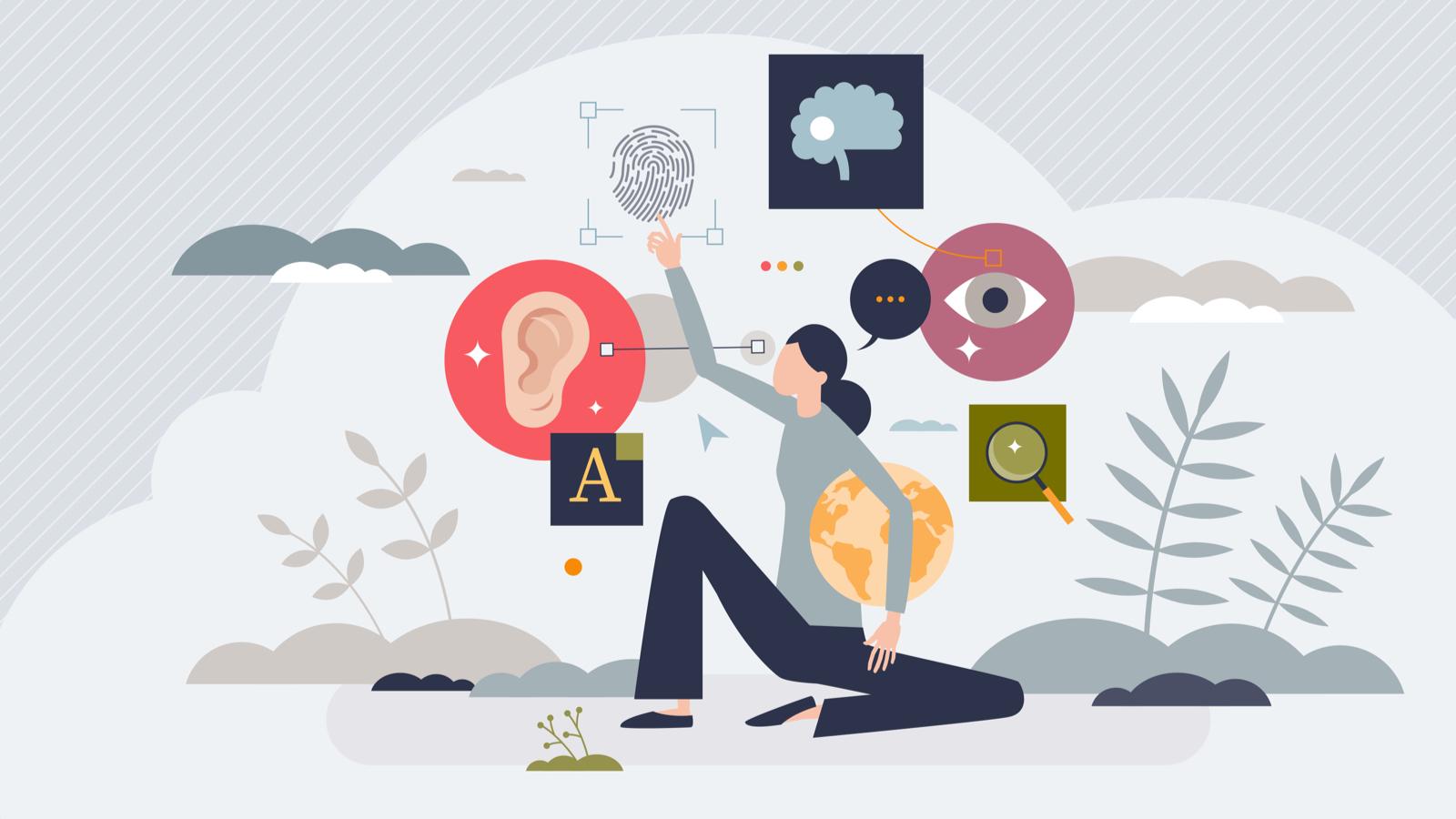
In recent years, artificial intelligence (AI) has emerged as a powerful force in shaping inclusive education. For students with disabilities—ranging from learning differences to sensory and physical impairments—AI-enabled tools are opening new pathways to accessible, personalized learning. This article explores how AI is transforming support for students with disabilities, delving into its roles, benefits, real-world examples, and forward-looking insights.
The Role of AI in Supporting Students with Disabilities
AI, when thoughtfully implemented, can bridge gaps in conventional education systems, creating customized learning experiences tailored to the unique needs of each student. AI-driven support tools are now pivotal in:
- Personalized Learning: Algorithms analyze individual learning styles and adjust content delivery for varying abilities.
- Interaction Aids: Natural language processing helps students overcome hurdles in reading, writing, and speech.
- Cognitive Assistance: Smart tutoring systems and reminders help students manage tasks, routines, and comprehension.
- Accessibility Enhancement: Vision and hearing tools provide choice formats, captions, and real-time translations.
- physical Navigation: Robotics and AI-powered devices assist students with mobility challenges in navigating facilities.
Key Benefits of AI for Students with Disabilities
Artificial intelligence brings a multitude of benefits, significantly enhancing both academic outcomes and overall well-being. Here are some primary advantages:
1. Personalized Learning Experiences
AI can recognize strengths and weaknesses, adapting educational materials to match each student’s pace and preferences. For example, a student with dyslexia can use AI-driven reading tools that highlight text and offer spoken narration concurrently.
2. Immediate and Consistent Support
AI-powered chatbots and virtual assistants are available 24/7, providing answers and support without waiting for a teacher’s response. This empowers students to learn at their own rhythm, nonetheless of when they need help.
3. Enhanced Communication
AI interpreters and speech-to-text technology help students with hearing or speech impairments communicate more freely, fostering inclusivity and reducing isolation.
4. Accessibility for all
- Real-time captioning for video content benefits students with hearing loss.
- Screen readers and AI-driven image description tools enhance access for visually impaired students.
- Voice-activated controls help those with physical disabilities interact with educational technology and devices.
5. Fostered Independence and Confidence
By automating routine tasks and offering alternate means of interaction, AI tools help students with disabilities take greater ownership of their learning, wich can boost confidence and self-efficacy.
Real-World Case Studies: AI in Action
To better understand the transformative impact of AI-enabled support for students with disabilities, let’s look at a few compelling case studies:
Case Study 1: AI-Driven Text-to-Speech for Dyslexia
Read&Write, a widely-used literacy software, leverages AI to provide text-to-speech, vocabulary support, and word prediction. Students with dyslexia using the tool have reported improved reading comprehension, greater engagement, and reduced frustration during assignments.
Case study 2: captioning and Subtitling for the Hearing Impaired
Google’s Live Caption utilizes AI to generate real-time subtitles for any video or audio. Deaf students can follow along in lectures, watch videos, or participate in online discussions, leading to increased classroom participation and retention no matter the delivery format.
Case Study 3: AI-Powered Communication Boards
Proloquo2Go is an AAC (Augmentative and Alternative Communication) app that employs machine learning to suggest words and phrases, allowing non-verbal students to communicate effectively with teachers and peers.
Firsthand Experiences: Voices from the Classroom
“AI-powered reading aids turned frustration into excitement for my son. Now, he looks forward to reading time, which once was a source of anxiety.”—Parent of a 5th Grader with Dyslexia
“Real-time transcription apps have made attending university lectures possible for me. I never miss a detail, and I feel included in class discussions.”—College Student with Hearing Impairment
“With voice-activated note-taking, my students with mobility challenges participate more actively and independently.”—Special Education Teacher
Practical Tips for Implementing AI Support in Classrooms
- Start with student Needs: Involve students and parents in choosing the most suitable AI tools for specific disabilities.
- Pilot and Evaluate: Begin with a trial period, gathering feedback from users to refine implementation.
- Ensure Accessibility and Privacy: Only select tools that follow digital accessibility standards and strictly protect student data.
- Offer Training: Provide ongoing support and learning opportunities for educators and support staff.
- Regularly Update Tools: Stay informed on the latest AI advancements to continually improve learning accessibility.
Challenges and Considerations
- Digital Divide: Not all students have reliable access to devices and high-speed internet—an ongoing consideration for equitable AI deployment.
- Bias and Representation: AI algorithms can amplify societal biases if datasets are not inclusive. Developers and educators must advocate for diverse data and obvious design.
- Privacy and Consent: Protecting sensitive student data is paramount; schools and families must carefully vet technology partners.
- Teacher Readiness: Professional development is essential to empower teachers to maximize AI tools’ benefits while understanding their limitations.
Future Insights: What’s Next for AI in Special Education?
The future of AI-powered support for students with disabilities looks shining. Innovative trends likely to shape the landscape include:
- Emotion-Sensitive AI: Systems tuned to recognize and respond to students’ emotional cues, offering mental health support alongside academic help.
- Multimodal Learning Environments: Combining speech, text, video, and augmented reality for richer engagement regardless of ability.
- Greater Customization: AI frameworks that rapidly adapt to the smallest changes in a student’s learning profile in real-time.
- Global collaboration: Cloud-based AI solutions removing geographical barriers, facilitating inclusive education worldwide.
Conclusion: Toward an Inclusive Future with AI
Artificial intelligence is more than a buzzword in special education; it is a genuine force for democratizing learning by breaking down the barriers faced by students with disabilities. From real-time translation to personalized reading aids, the benefits are tangible and growing.As educators, technologists, and families collaborate, the future holds tremendous promise for continually improved accessibility, autonomy, and academic success.
Embracing AI for students with disabilities means embracing a smarter, kinder, and more inclusive education system—one where every learner can thrive.