
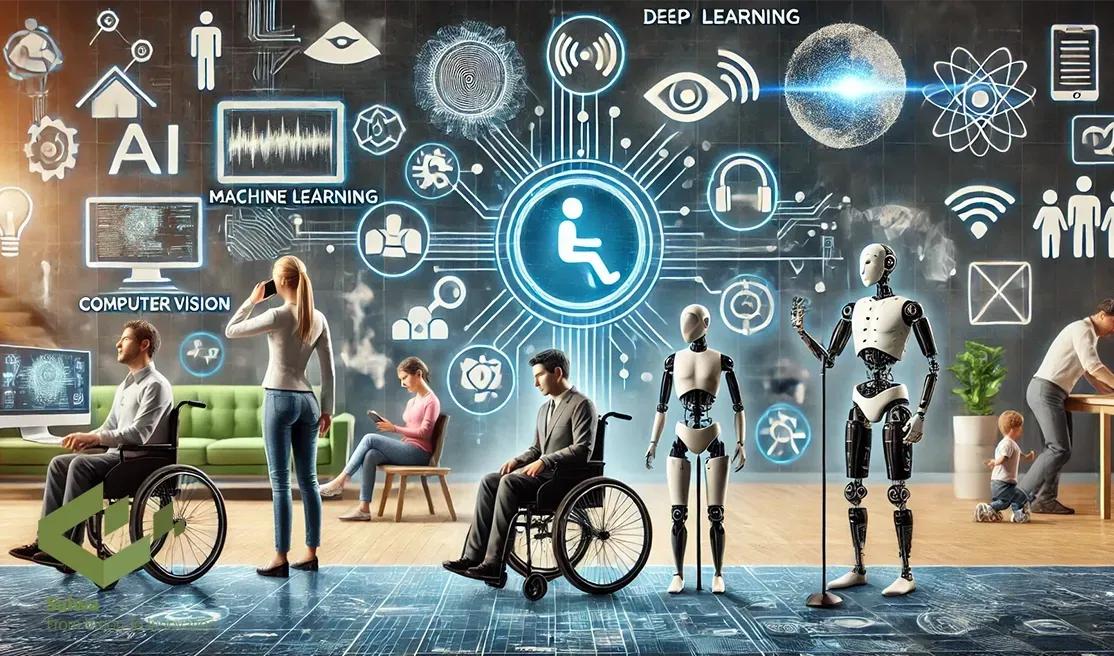
how AI Transforms Support for Students with Disabilities: Benefits & Innovations
In today’s era of rapid technological advancement,artificial intelligence (AI) is playing a pivotal role in revolutionizing educational support for students with disabilities. By harnessing AI-driven solutions, educators and institutions are opening new doors to accessibility, inclusion, and personalized learning experiences. This comprehensive guide explores the many ways AI transforms support for students with disabilities, detailing the benefits, innovations, and practical strategies for creating a more equitable learning surroundings.
Introduction: The Rising Importance of AI in Inclusive Education
Modern education faces the challenge of providing equitable opportunities for all learners, especially those with physical, sensory, cognitive, or learning disabilities. Traditional support methods, while valuable, frequently enough fall short in scalability and personalization. Enter artificial intelligence—a game changer that redefines inclusive education by offering smarter, adaptive, and more engaging support systems.
From AI-powered assistive technologies to predictive analytics and automation, the rise of AI in special education is aligned with global efforts to build accessible digital learning landscapes. But how exactly does AI help? And what are the most innovative developments shaping this transformation?
Key Benefits of AI for Students with Disabilities
AI is making education more inclusive and impactful for students with disabilities through the following major benefits:
- Personalized Learning Experiences: AI adapts educational content and pace to individual needs, supporting students with varied learning disabilities, such as dyslexia or ADHD.
- Enhanced Accessibility: AI-driven speech recognition, text-to-speech, and real-time translation tools empower students with visual, auditory, or physical impairments to access educational materials independently.
- Automated Support and Monitoring: Clever tutoring systems track progress and adjust support strategies, relieving educators of repetitive tasks and providing real-time feedback.
- Improved Dialog: AI chatbots and virtual assistants simplify interactions for non-speaking or mobility-challenged students, streamlining communication with teachers and peers.
- Scalable Solutions: AI tools can be deployed widely,reaching more students,including those in remote or underserved regions who lack access to traditional support resources.
Innovative AI-Powered Tools Promoting Educational Inclusion
Below are some of the most innovative AI technologies reshaping special education for students with disabilities:
1. AI-Enabled Assistive Devices
- Smart Wheelchairs: Equipped with AI-driven navigation and obstacle avoidance, smart wheelchairs promote independence for students with mobility impairments.
- Eye-Tracking Interfaces: Leveraging AI for gaze detection, these interfaces allow students with limited motor function to control digital content with their eyes.
2.Advanced Speech and Language Processing Solutions
- speech Recognition Apps: AI-powered tools like Voice Dream or Siri facilitate voice commands, helping visually impaired or non-verbal students interact with devices easily.
- Real-Time Captioning and Translation: Tools such as Microsoft Translator and Google’s Live Transcribe provide instant translations and captions for students with hearing impairments.
3. Intelligent Tutoring Systems
- Adaptive Learning Platforms: Customizable learning environments like DreamBox or Amira Learning use AI to design personalized lessons tailored to the unique strengths and challenges of each learner.
4. Inclusive EdTech Applications
- Text-to-Speech (TTS) and Speech-to-Text (STT) Applications: AI converts written text into synthesized speech and vice-versa, a game changer for students with dyslexia or physical disabilities.
case Study: AI in Action – Transforming Learning at Horizon School
Horizon School, a leading inclusive educational institution, recently integrated AI support systems to cater to it’s diverse learner population. The implementation included:
- AI-powered reading platforms for students with dyslexia, enhancing word recognition and fluency.
- Speech-to-text software for students with limited motor control, allowing hands-free assignment submissions.
- Machine learning-based assessment tools that track cognitive progress and recommend individualized interventions.
Results: After six months, student engagement soared, assignment completion rates improved by 35%, and teacher workloads decreased substantially.This case demonstrates the tangible benefits and scalability of AI interventions in real-world classrooms.
First-Hand Experience: Student Outlook
Meet Jordan, a high schooler with visual impairments. Before AI assistance, Jordan faced challenges reading standard textbooks and completing written assignments. With the introduction of AI-enabled screen readers and Braille display integration, Jordan’s access to educational resources became seamless.
“AI has totally changed my study life. I can now read course materials independently and even participate in group discussions using voice-to-text apps,” shares Jordan.
The accessibility brought by AI features fostered Jordan’s academic confidence and social inclusion—one of countless examples illustrating AI’s transformative impact.
Practical Tips for Educators & Institutions embracing AI
- Identify Needs: Conduct thorough assessments to understand specific challenges faced by students with disabilities before adopting AI solutions.
- Select Inclusive Tools: Opt for AI-powered tools that support a wide range of accessibility features,such as speech recognition,adaptive reading,or visual assistance.
- Prioritize Training: Provide training for teachers and students to ensure optimal use and safety when interacting with AI technologies.
- Monitor Effectiveness: Regularly review the effectiveness of AI support and seek feedback to make necessary adjustments for continuous advancement.
- Cultivate an Inclusive Culture: Encourage openness, patience, and collaboration among all users of AI solutions to fully realize their benefits.
Challenges and Considerations for AI in Special Education
Despite immense promise, the integration of AI in supporting students with disabilities involves overcoming several challenges:
- Cost and Accessibility: Advanced AI tools may be expensive or unavailable in low-resource regions.
- Privacy & Data Security: Safeguarding sensitive student data is crucial when using AI-based analytics and monitoring.
- Bias and Fairness: AI algorithms must avoid unintentional biases to ensure equitable learning outcomes for all students.
- Teacher Readiness: Professional development is needed to help educators harness AI efficiently and confidently.
Addressing these challenges requires strategic planning, stakeholder collaboration, and sustained investment in technology and training.
The Future of AI in Supporting Students with Disabilities
looking ahead, the potential for AI to enrich support for students with disabilities continues to expand. Emerging trends include:
- Emotion Recognition: AI systems are being developed to analyze emotional states and adapt support accordingly for learners with socio-emotional needs.
- Virtual Reality (VR) & Augmented Reality (AR): AI-enhanced VR/AR platforms provide immersive experiences for students with disabilities, improving engagement and understanding.
- Robotics & IoT Integration: Smart robots and interconnected devices are being used to assist with mobility, communication, and task automation in classrooms.
As AI innovations continue to mature, collaborative efforts between policymakers, educators, and tech developers will be essential in shaping a truly inclusive future for all learners.
conclusion: Building a More Inclusive Educational Future with AI
AI is transforming the educational landscape for students with disabilities, bridging gaps and fostering independence, engagement, and achievement. By leveraging the latest AI-powered solutions, educators and institutions can create more equitable, accessible, and effective learning environments.
Ready to harness the power of AI for inclusive education? Stay informed, embrace innovation, and collaborate to ensure every student has the support they need to thrive!
if you’re an educator, parent, or policymaker interested in AI solutions for special education, explore AI-powered assistive technologies, advocate for their ethical deployment, and contribute to building a future where no student is left behind.
keywords: AI support for students with disabilities,artificial intelligence in special education,inclusive education AI,assistive technology for disabilities,AI-powered accessibility,adaptive learning AI,benefits of AI for students with disabilities.