
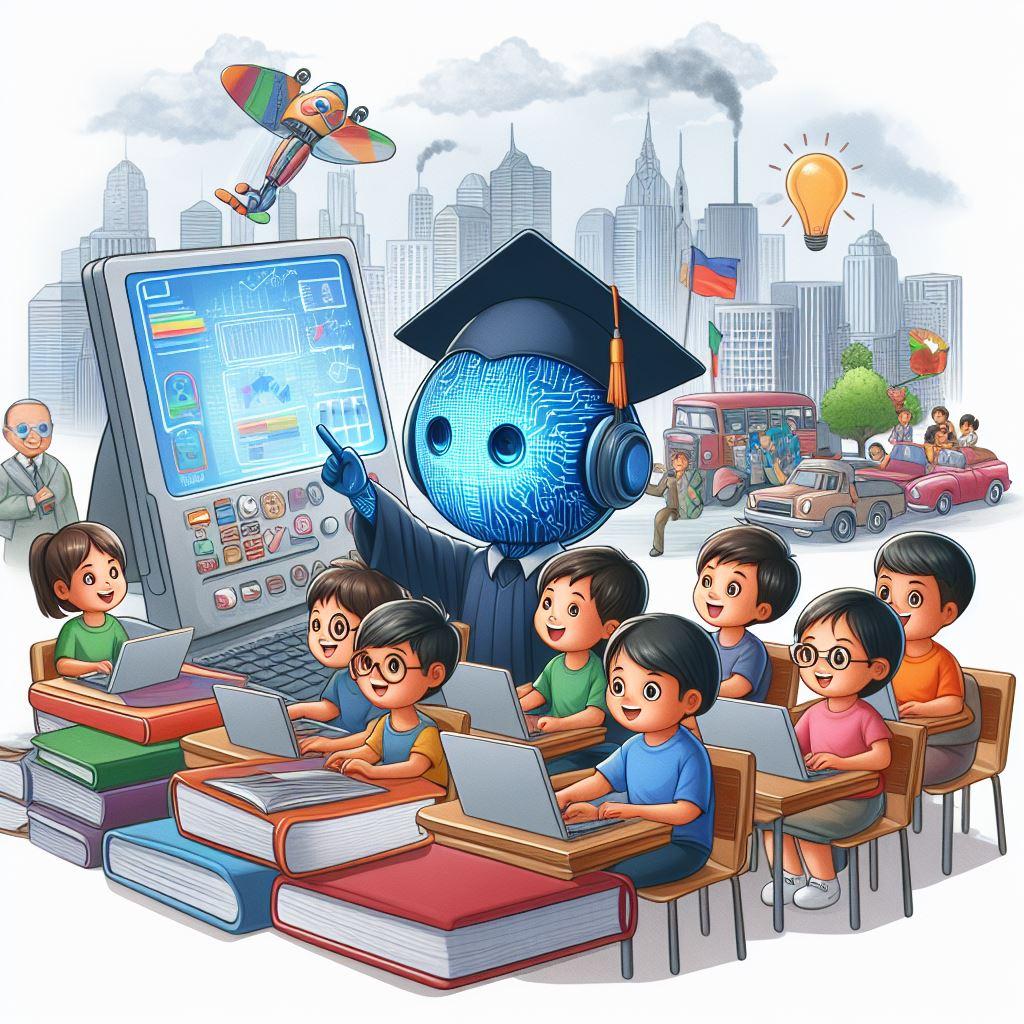
How AI Transforms Support for Students with Disabilities: Key Benefits and Innovations
Artificial Intelligence (AI) has quickly become a powerful ally in the world of education, especially when it comes to supporting students with disabilities. Gone are the days of solely relying on one-size-fits-all solutions. through personalized, data-driven, and innovative approaches, AI is leveling the playing field and ensuring that students with diverse needs can thrive. In this complete guide, we’ll explore the key benefits and groundbreaking innovations that AI delivers to students with disabilities, alongside real-world examples and practical tips for maximizing its impact.
AI and Disability Support: An Evolving Partnership
Supporting students with disabilities requires nuanced, flexible solutions—something AI excels at. Here’s how AI technology is transforming inclusive education:
- Enhanced accessibility: AI tools make digital content more accessible for visually, hearing, and mobility-impaired students.
- Personalized learning: Machine learning algorithms tailor educational materials to individual learning profiles.
- Automated support systems: Chatbots and virtual assistants provide on-demand help, reducing social and academic barriers.
- Efficient administrative tools: AI automates repetitive support tasks,giving educators more time to focus on meaningful interactions.
Together, these capabilities offer transformative support that was previously unimaginable in conventional classroom settings.
Key Benefits of AI for Students with disabilities
1.Improved accessibility and Usability
Accessibility is at the heart of disability support, and AI turbocharges this aspect in several remarkable ways:
- Real-time captioning for students with hearing impairments through AI-powered transcription tools.
- Text-to-speech and speech-to-text solutions, allowing students with visual, cognitive, or motor disabilities to interact with content more freely.
- Image recognition technology that describes visual content for those with sight impairments.
- Reading assistants that highlight, interpret, and explain complex materials based on individual needs.
These features not only enhance comprehension but also promote independence and confidence among students with disabilities.
2. Personalized Learning Experiences
AI leverages vast amounts of data to understand student strengths, weaknesses, and preferences. Personalized learning pathways are created using:
- Adaptive learning platforms that adjust difficulty, pacing, and style for each student.
- Individualized feedback that helps students stay motivated and involved in their own educational journey.
- Customizable resources—such as digital flashcards, quizzes, or study guides tailored to learning profiles.
This personalization leads to greater academic success and better engagement, especially for students facing unique learning challenges.
3. Supporting Communication and Social Interaction
Communicating and interacting can be daunting for students with speech or social disabilities.AI makes these processes smoother:
- AI-powered communication boards and speech generators for non-verbal students.
- Emotion-sensing technologies that help educators understand student moods and adjust support accordingly.
- Virtual conversational agents that simulate social scenarios, helping students practice and grow in confidence.
These advancements foster inclusion, making social interactions more natural and less intimidating.
4. Efficient Support Systems for Educators and Parents
AI doesn’t just benefit students—it also streamlines support for educators and families:
- Automated scheduling and reminders for therapy sessions or check-ins.
- Data-driven progress tracking to inform Individualized Education Plan (IEP) decisions.
- Predictive analytics to identify potential setbacks and recommend timely interventions.
This helps build stronger, more proactive support networks around each student.
Groundbreaking Innovations: How AI Is Pushing Boundaries
AI innovations are emerging rapidly in the field of disability support.Some highlights include:
AI-Powered accessible Reading Apps
Apps like Voice Dream Reader, Seeing AI by Microsoft, and Bookshare Reader use natural language processing and computer vision to convert text, images, and even diagrams into accessible formats.
Real-Time Translation and Captioning
Platforms such as Otter.ai and Google Live Caption provide instant transcription and translation, enabling students with hearing impairments to fully participate in classroom activities.
adaptive Learning Systems
AI-driven tools like DreamBox Learning and Smart Sparrow offer highly adaptive math and STEM curricula,supporting students with learning disabilities through personalized scaffolding and instant feedback.
Assistive Communication Devices
Advanced AAC (Augmentative and Alternative Communication) devices, integrated with AI, translate gestures, symbols, or even subtle cues into clear verbal communication, giving voice to those who need it moast.
Predictive Analytics for Early Intervention
AI analyses patterns in student engagement and performance, enabling educators to spot risks of academic or emotional challenges and intervene before issues escalate.
Real-World Impact: Case Studies & Stories
Case Study: AI in Visual Impairment Support
One middle school in California implemented Seeing AI for its visually impaired students. Through seamless voice descriptions of classroom materials, students reported increased independence, self-confidence, and participation. Teachers noticed that lesson engagement improved by over 45% within a semester, highlighting the dramatic impact of AI tools in daily learning.
Success Story: Inclusive Communication with AI Chatbots
A UK-based special education programme introduced an AI chatbot for students with autism spectrum disorder. The chatbot offered a safe space to practice conversational skills, helping students overcome social anxiety and make new friends. Feedback from parents emphasized a marked advancement in their children’s communication abilities both in and out of the classroom.
Testimonial: Personalized Learning Platforms
“Thanks to adaptive AI math software, my son—diagnosed with dyslexia—now enjoys completing assignments. The platform adjusts challenges to his pace, making learning no longer a struggle, but an adventure.”
– Parent from Texas
practical Tips: Maximizing AI for Students with disabilities
- assess individual needs: Not all AI tools are created equal. Consult with professionals and try multiple solutions to find what works best for each student.
- Focus on accessibility features: Prioritize applications with built-in accessibility,such as compatibility with screen readers,clear interfaces,and customizable settings.
- encourage ongoing feedback: Allow students and families to provide input about what helps or hinders their experience.
- Stay updated: The field of AI is evolving fast—regularly review new tools and updates to keep your support strategies modern and effective.
- Foster collaboration: AI works best when paired with human expertise. Encourage teamwork between educators, therapists, technologists, and families.
challenges and considerations
While AI offers transformative benefits, it’s vital to be aware of potential pitfalls:
- Data privacy: Always use tools that protect sensitive student information.
- Equitable access: Advocate for funding and policies that ensure all students can benefit—regardless of socioeconomic status.
- Training and support: Both students and educators need proper training to use AI tools effectively.
Tackling these challenges head-on ensures that AI remains a positive force for inclusion and accessibility.
Conclusion: Powered by AI, Inclusion Is Within Reach
from creating tailored learning experiences to fostering self-reliant communication and improving accessibility, AI is revolutionizing support for students with disabilities. Its benefits extend beyond mere convenience—delivering empowerment,confidence,and real academic gains. As innovation advances, the opportunity for truly inclusive education grows. The key is embracing AI thoughtfully, collaboratively, and with a commitment to every student’s success.
Ready to explore more? Share your experiences or favorite AI tools in the comments below—let’s continue building a more inclusive future together!