
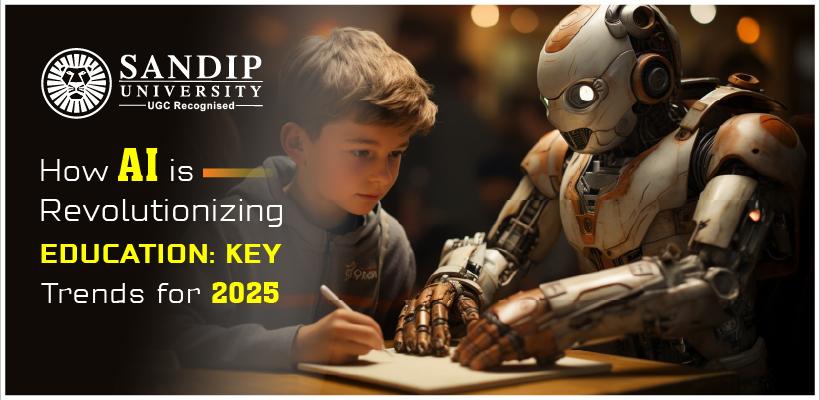
How AI Will Revolutionize Classrooms in 2025: Transforming Teaching and Learning
Artificial Intelligence (AI) is reshaping every sector, and education is no exception.As we approach 2025, schools around teh world are embracing AI-powered tools to enhance classroom experiences, personalize learning, and equip students with the skills they need for the digital age.this article explores how AI will revolutionize classrooms in 2025, the benefits for teachers and learners, real-world case studies, and practical tips for implementing AI in education.
AI in education: Setting the Stage for 2025
The integration of AI in classrooms marks a critically important shift in how teaching and learning are delivered. From interactive virtual assistants to adaptive learning platforms and clever grading systems, AI technology is primed to transform traditional education.By 2025, AI will be central to how classrooms function, helping teachers streamline administrative tasks and enabling students to learn in more personalized, efficient, and engaging ways.
Key Ways AI Will Transform Teaching and Learning
1. Personalized Learning Experiences
AI-driven platforms analyze individual students’ strengths,weaknesses,and learning styles. Based on this data, they can deliver tailor-made content, exercises, and assessments. This ensures each learner gets the exact support they need, weather they’re ahead or need extra help.
- Adaptive learning algorithms adjust lessons in real-time.
- Intelligent tutoring systems provide instant feedback and suggestions.
- Students learn at their own pace, boosting motivation and retention.
2. Automated administrative Tasks for Teachers
Teachers often spend hours on grading and administrative duties. In 2025, AI-powered classroom management tools will automate grading, attendance tracking, and even report generation, freeing teachers to focus on what’s most important: teaching.
- AI automatically grades assignments and quizzes.
- Attendance and participation are tracked with facial recognition and smart devices.
- Administrative data is updated in real time, making reporting seamless.
3. Data-Driven insights for Student Success
Artificial intelligence can analyze vast amounts of educational data to identify learning patterns, gaps, and potential challenges for students. By harnessing thes insights, educators can intervene early, personalize support, and create targeted instructional strategies.
- Real-time dashboards highlight student progress.
- Predictive analytics flag struggling students before issues become critical.
- Teachers can customize learning journeys for each student.
4. Enhanced Engagement through Interactive AI Tools
AI-infused educational apps and gamified learning experiences make lessons more interactive and enjoyable. Virtual reality combined with AI enables immersive learning environments, memorable simulations, and field trips beyond the classroom walls.
- Chatbots offer 24/7 homework help.
- VR and AR tools powered by AI bring abstract concepts to life.
- Gamified apps encourage participation and collaboration.
5. Supporting Diverse Learner Needs
AI systems are capable of delivering content in multiple languages and formats, ensuring equitable learning opportunities for all students—including those with disabilities or language barriers.
- Closed captioning and real-time translation services.
- AI-driven assistive technologies for physical or learning challenges.
Benefits of AI in Classrooms: What Students and Teachers Can Expect
- Efficiency: Automates routine tasks and administrative duties.
- Personalization: Offers customized learning paths for every student.
- Engagement: Makes lessons fun and interactive.
- Inclusivity: Meets the needs of diverse learners and abilities.
- Real-Time Feedback: Provides instant support for students and teachers alike.
Practical Tips for Implementing AI in Classrooms
1. Start small and Scale Up
Choose one or two AI tools—such as an adaptive quiz platform or an AI-based attendance tracker—to pilot in your classroom before expanding further.
2. Provide Training for Teachers and Staff
Invest in AI education resources to help teachers get cozy with new technology. Online workshops, webinars, or peer mentoring can build confidence and expertise.
3. Focus on Data Privacy and Security
Student data must always remain secure. Ensure that your AI tools comply with latest privacy regulations and cybersecurity best practices.
4.Encourage Student Involvement
Invite student feedback on AI-powered tools, and encourage creative use of technology in projects and group activities.
5. Partner with EdTech Companies
Many EdTech startups offer trial solutions and professional support for implementing AI in schools. Explore partnerships for ongoing training and discounted resources.
Case Studies: AI Transforming Classrooms Worldwide
Case Study 1: AI Learning Platform in Finland
In Helsinki, primary schools piloted an AI adaptive learning platform that adjusts math problem sets to each student’s abilities. The results? A 25% increase in exam scores, greater student engagement, and significant reduction in achievement gaps.
Case Study 2: AI-Powered Classrooms in the United States
A california high school uses smart cameras and facial recognition to track student attendance and engagement, integrating with the school’s learning management system. Teachers report improved attendance, better classroom focus, and reduced administrative workload.
Case Study 3: Supporting English Language Learners in India
In Mumbai, an AI chatbot offers real-time translation and personalized grammar lessons for English language learners. Teachers say students are more confident, with faster progress in speaking and writing English.
first-Hand Experience: stories from Educators
Ms. Jenna lee, a middle school teacher in New York, shares:
“Last semester, we started using an AI-based homework helper. Students who struggled with independent study now complete assignments on time.Parents love the instant feedback, and my grading workload is cut in half!”
Mr.Omar Singh, a technology coach, explains:
“Training teachers to use AI tools was the biggest hurdle. Once they saw how much time it saved and how engaged students became, the transition was quick. AI isn’t just a tech upgrade—it’s a game-changer for classroom culture.”
Potential Challenges and Considerations
While the promise of AI in education is luminous, schools must overcome challenges such as:
- Ensuring equitable access to technology for all students.
- maintaining data privacy and ethical AI usage.
- Providing adequate training for teachers and staff.
- Integrating AI with existing school systems and curricula.
Conclusion: The Future of AI in Classrooms
As we look toward 2025, the classroom will be transformed by AI-powered education tools—enabling personalized learning, increasing engagement, and reducing burdens on teachers. with careful adoption and a focus on inclusivity, educators can unlock new potentials for students and prepare them for an uncertain but exciting future. The revolution in teaching and learning is well underway, and AI stands at the forefront of this change.
Now is the time for schools, teachers, and communities to embrace the opportunities presented by artificial intelligence and work together to build the classrooms of tomorrow.