
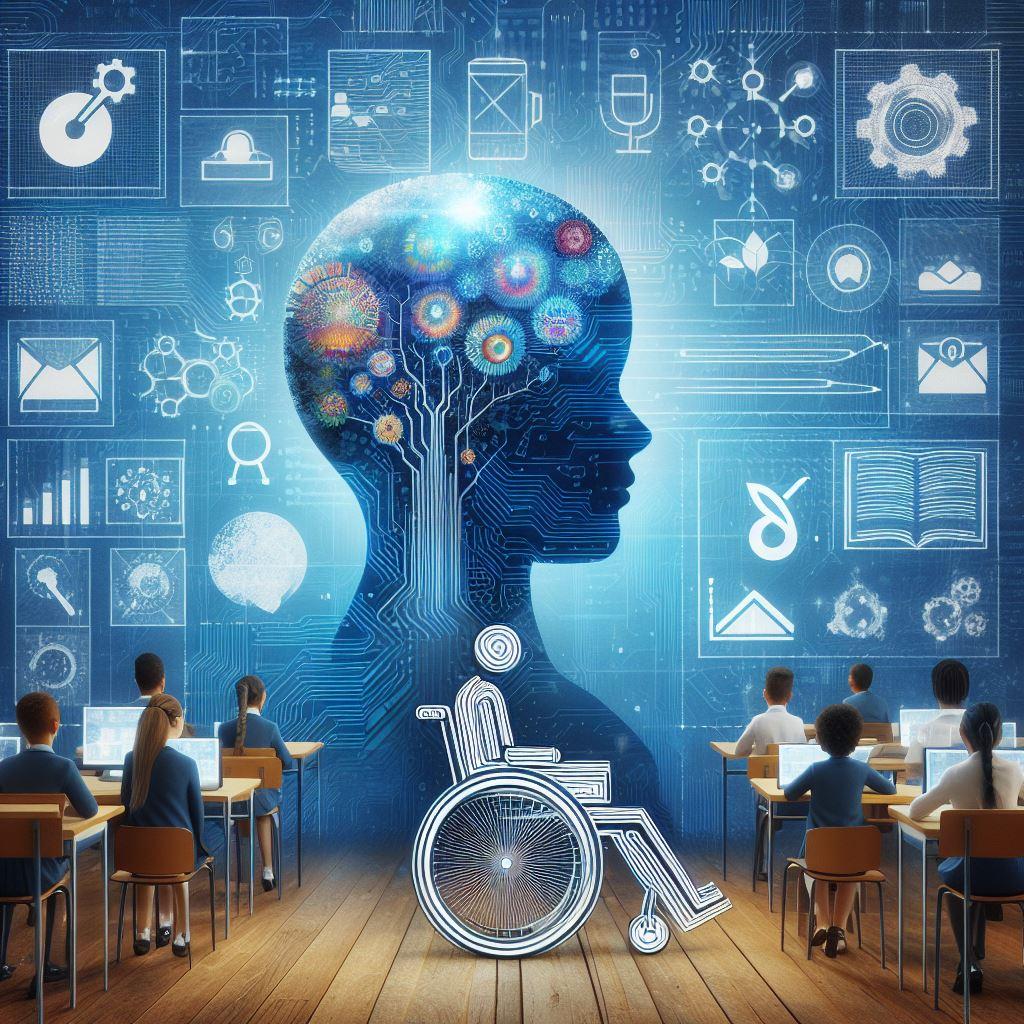
How Artificial Intelligence Empowers Students with Disabilities: Enhancing Education and Accessibility
Introduction
As technology rapidly evolves, the role of artificial intelligence (AI) in education is becoming increasingly notable. For students with disabilities, AI offers innovative solutions that break down barriers, enhance accessibility in education, and foster greater inclusion. From personalized learning experiences to bright assistive devices, AI-driven tools are transforming how students interact with educational content and participate in classroom activities. This article explores the powerful ways in which artificial intelligence empowers students with disabilities, detailing its benefits, real-world applications, and practical tips for leveraging thes technologies in the learning surroundings.
Understanding the Impact of AI on Accessibility in Education
the integration of AI in accessible education is revolutionizing how learning materials and resources are delivered to students with diverse needs. By automating processes and personalizing content, AI can:
- Remove physical and cognitive barriers to learning
- Improve communication for students with speech or hearing impairments
- Enable real-time translation and transcription
- Facilitate customized educational approaches
AI Technologies Empowering Students with disabilities
1. Speech Recognition & Natural Language Processing
AI-powered speech recognition and natural language processing (NLP) allow students with physical or visual impairments to interact with devices using voice commands. Applications such as Dragon NaturallySpeaking and Google Voice Typing enable students to dictate notes, navigate web pages, and control their learning environment hands-free.
2. Text-to-Speech (TTS) and Speech-to-Text Tools
Modern text-to-speech (TTS) systems, such as Read&Write and Microsoft immersive Reader, convert written content into spoken words, helping students with dyslexia, visual impairments, or reading difficulties to access educational materials.
- Speech-to-text (STT) applications transcribe spoken words into text,aiding students with physical disabilities in writing assignments.
- TTS systems personalize the reading experience by adjusting voice speed, accent, and tone.
3. AI-Powered translation and Captioning
Real-time AI translation and captioning tools, including Google Translate and Ava, provide instant text captions for spoken content. This significantly assists deaf and hard of hearing students by making lectures and discussions accessible.
4. Personalized Learning platforms
AI adapts educational materials to individual learning styles and preferences.Platforms like Khan Academy and Coursera deploy AI to recommend resources, remap lessons, and offer tailored feedback based on student interactions.
5. Intelligent Tutoring Systems
AI-driven tutoring systems, such as Carnegie Learning and Squirrel AI, provide real-time support, answer questions, and guide students with disabilities through complex subjects at their own pace.
6. Assistive Robotics
Robotic assistants and devices powered by AI technology aid students with mobility impairments in navigating educational spaces and managing their daily routines, fostering independence and confidence.
Benefits of Artificial Intelligence for Students with Disabilities
By embracing AI technologies, educators and institutions can unlock a wide range of benefits for students with disabilities:
- Increased Accessibility: AI ensures that learning materials are available in multiple formats (audio, text, video, braille), catering to various disabilities.
- Personalized Education: Adaptive learning algorithms customize the curriculum to suit each student’s pace, method, and needs.
- Improved engagement: Interactive tools make learning more engaging and less intimidating for students with cognitive or emotional challenges.
- Real-time Support: AI-powered chatbots and virtual assistants answer questions instantly,bridging communication gaps.
- Enhanced Independence: AI empowers students to manage their own learning and daily tasks without constant reliance on teachers or aides.
- Data-Driven Insights: Educators gain valuable analytics on student progress and challenges, enabling targeted support.
Case Studies: AI Transforming Special Education
Case Study 1: AI Assistance for Dyslexia
Location: United States
Tool: Microsoft Immersive Reader
By integrating Immersive Reader into their curriculum, a middle school in California enhanced reading comprehension among students with dyslexia. students benefited from highlighted text, personalized font sizes, and real-time text-to-speech conversion. Test scores improved by 25% over two semesters, demonstrating AI’s ability to make learning more accessible.
case Study 2: Real-time Captioning for Deaf Students
Location: Europe
Tool: Google Live Transcribe
In a Dutch university, deaf students participated in mainstream lectures via AI-powered live transcription.Professors used Live Transcribe on tablets, allowing students to follow every word in real-time. Engagement and academic performance significantly increased, promoting full inclusion.
Case Study 3: Robotics Empowering Students with Mobility Disabilities
Location: Japan
Tool: AI-Driven Robotic aides
A Tokyo-based school introduced AI-powered robotic assistants for students with severe mobility challenges. These robots enabled students to move between classes, participate in interactive activities, and even control the devices using simple voice commands.
First-hand Experiences: Voices from the Classroom
AI’s impact resonates through personal stories from both educators and learners:
-
Maria, high school student with visual impairment:
“AI voice readers gave me the confidence to tackle textbooks I once struggled with. Now I can study independently and keep up with my classmates.”
-
James, teacher in an inclusive classroom:
“With AI translation and captioning, my deaf students participate fully during lessons. It’s been a game changer for our school’s culture.”
-
Sophia, parent of a child with dyslexia:
“AI learning platforms adapt to my son’s strengths and challenges, helping him finally enjoy learning.”
Practical Tips for Implementing AI in Special Education
To make the most of AI-driven accessibility solutions, educators, parents, and institutions should consider the following strategies:
- Assess Needs: identify student requirements using formal assessments and direct feedback.
- Choose the right Tools: look for AI applications with proven success in addressing specific disabilities.
- Enable Training: Provide thorough training for both students and staff to maximize adoption and effectiveness.
- Prioritize privacy: Ensure AI tools adhere to data privacy regulations and protect student information.
- Monitor Outcomes: Regularly review progress using analytics to refine technology use and address any gaps.
- Foster Collaboration: Encourage communication between students,families,and educators to optimize AI implementation.
Challenges and Limitations of AI in Special Education
While AI offers transformative advantages, certain challenges persist:
- Accessibility Gaps: Not all AI tools accommodate every disability equally.
- Cost and Resource Barriers: Some advanced technologies might potentially be expensive or require technical expertise.
- Ethical Considerations: Privacy and data protection must remain central priorities.
- staff Training: Educators must receive adequate support for effective technology integration.
Addressing these challenges requires cooperation between technology developers, policymakers, educators, and families to ensure truly inclusive educational environments.
Conclusion
Artificial intelligence is reshaping the landscape of accessible education for students with disabilities.Through personalized learning experiences,real-time communication aids,and intelligent assistance,AI enhances both independence and engagement in the classroom.Schools, educators, and families who harness these technologies unlock remarkable opportunities for academic success, personal growth, and lifelong empowerment.As AI continues to evolve,its capacity to make education more inclusive and equitable will onyl increase—transforming lives and breaking boundaries for millions of students worldwide.
Interested in more accessible educational solutions? Stay connected for updates on artificial intelligence in special education and discover new tools to enhance accessibility and student inclusion!