
How Assistive Technologies Are Revolutionizing Learning Experiences in 2024
In an era driven by innovation, assistive technologies are reshaping the educational landscape as never before. The year 2024 marks a pivotal point,with the integration of cutting-edge assistive tools in classrooms worldwide. These advancements are not only elevating the quality of education but also ensuring that learning is accessible,inclusive,and personalized.This article explores how assistive technologies are revolutionizing learning experiences in 2024, delves into their benefits, highlights case studies, and offers practical tips for educators and parents.
Table of Contents
- What Are Assistive Technologies?
- Key Types of Assistive Technologies in 2024
- Benefits of Assistive Technologies in Education
- Real-World Case Studies
- Practical Tips for Integrating assistive Technologies
- Challenges and the Future of Assistive Technologies
- Conclusion
What Are Assistive Technologies?
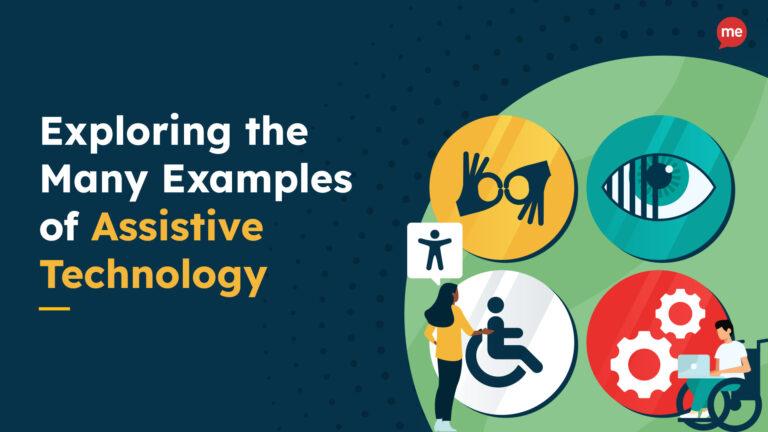
Assistive technologies (AT) refer to a broad spectrum of devices, software applications, and equipment designed to support individuals with disabilities or specific learning needs. In the educational sector, these solutions empower students to participate fully by adapting content, interaction, and interactions to their unique requirements.
In 2024, assistive technology in education encompasses everything from artificial intelligence-driven reading tools to customizable sensory devices, facilitating equitable access and fostering academic growth for all learners.
Key Types of Assistive Technologies in 2024
Modern classrooms are witnessing the deployment of a wide range of assistive tools. Some of the most impactful include:
1. AI-Powered Reading and Writing Tools
- Text-to-Speech (TTS): Converts printed/digital text into spoken words, assisting students with visual impairments or dyslexia.
- Speech-to-Text: Enables learners to dictate their responses, ideal for those with mobility-related challenges.
- AI grammar and Spelling Assistants: offers real-time corrections and suggestions for students with learning disabilities.
2. Personalized Learning Platforms
- Adaptive Learning Systems: tailor educational content based on individual progress, strengths, and needs.
- Digital Educational games: Engage students by transforming lessons into interactive, gamified experiences designed for various cognitive and physical abilities.
3. Augmentative and Alternative Communication (AAC) Devices
- Communication boards and Apps: Allow non-verbal students to communicate efficiently using images, symbols, or text-to-speech functions.
- Wearable Communication Devices: Portable tech that empowers students to express themselves in real-time social and academic environments.
4. Sensory Support Technologies
- Noise-Canceling Headphones: Help students with sensory processing disorders focus in busy classroom environments.
- Adjustable Lighting and Desk Solutions: Adapt spaces to reduce overstimulation and enhance comfort for all learners.
5. Visual and Hearing Assistance
- Screen Readers: read digital text aloud for visually impaired students.
- Captioning and Real-Time Transcription: Make auditory content accessible to deaf or hard-of-hearing learners.
6. Robotics and virtual reality (VR)
- Educational Robots: Reinforce collaborative, hands-on learning and foster STEM skills in diverse groups.
- VR Learning Environments: Allow immersive experiences for students unable to participate in conventional classroom activities, such as science labs or field trips.
Benefits of Assistive Technologies in Education
Implementing assistive technologies in education yields critically important advantages for students, educators, and institutions. Here are the key benefits:
- Enhanced Accessibility: Ensures every student, nonetheless of ability, can access course materials and participate fully.
- Personalized Learning: Adapts to individual strengths, weaknesses, and learning styles, improving outcomes.
- boosted Confidence and Autonomy: Empowers students to tackle challenges independently and build self-esteem.
- Improved Engagement: Interactive and media-rich tools make learning enjoyable and relevant for all learners.
- Compliance with Educational Equity Standards: Assists schools in meeting legal and ethical obligations for inclusion (such as ADA and IDEA mandates).
- Teacher Efficiency: Automates routine tasks and provides real-time feedback, allowing educators to focus on impactful instruction.
Real-World case Studies
The impact of assistive technologies in 2024 can be seen in schools, universities, and special education centers around the globe. Here are a few notable examples:
Case Study 1: Empowering dyslexic Students with AI Learning tools
A public middle school in California integrated AI-based reading apps, like Immersive Reader, for students diagnosed with dyslexia. Within a semester, reading comprehension scores improved by 25%, and students reported higher motivation, attributing their progress to the tool’s ability to customize font sizes, colors, and speech speed.
case Study 2: VR for Science Labs in Rural Schools
in a rural high school in India, VR headsets have made complex science experiments accessible to students with mobility impairments. Rather of traditional hands-on sessions requiring mobility,students now participate virtually—an inclusive solution that increased science course enrollment by 40%.
Case Study 3: Real-Time Transcription for the Hearing Impaired
A leading university in the UK adopted live transcription in all major lectures, making higher education more accessible to deaf students. This resulted in a surge of applications from students with hearing impairments, providing them an equal opportunity to participate in discussions and access key learning outcomes.
Practical Tips for Integrating Assistive Technologies
For educators, administrators, and parents interested in leveraging these revolutionary tools, here are some practical tips for assistive technology integration in learning:
- Evaluate Individual Needs: Consult with special education professionals to determine the most suitable tools based on each student’s strengths and challenges.
- Provide Training and Support: Host workshops and ongoing training for educators,students,and parents to maximize technology adoption and success.
- Pilot Before Full Implementation: Start with small-scale trials, gather feedback, and gradually expand usage to ensure a smooth transition.
- Leverage Cloud-Based Solutions: Use platforms accessible from any device, minimizing hardware barriers and promoting continuity across different environments (home, school, remote learning).
- Regularly Update and Maintain Tools: Stay updated on the latest software versions and security patches to ensure reliability and safety.
- Encourage student Feedback: Solicit input from students on what’s working and where improvements are needed.
- Foster an Inclusive Classroom Culture: Promote awareness and acceptance among all students to eliminate stigma and encourage collaborative learning.
Challenges and the Future of Assistive Technologies
While the future of assistive technology is promising, there are some challenges to address:
- Cost and Funding: Advanced AT devices and subscriptions can be expensive, frequently enough requiring grants or strategic investment.
- Technological Literacy: Both students and teachers must be adequately trained to leverage these solutions effectively.
- Data Security and Privacy: Protecting sensitive student information must remain a top priority as technology use expands.
- Equity of Access: Bridging the digital divide is crucial so no learner is left behind due to a lack of resources or infrastructure.
Looking ahead, ongoing advances in artificial intelligence, machine learning, wearable devices, and the Internet of Things (iot) will open new frontiers in personalized and accessible education. The integration of voice assistants and natural language processing will further break down barriers,forging an inclusive,tech-powered path forward.
Conclusion
The revolutionary impact of assistive technologies on learning experiences in 2024 is undeniable. From fostering independence and inclusion to driving academic success,the integration of these tools represents a giant leap forward in education. As we continue to embrace and evolve these solutions, educators, parents, and technology providers must collaborate to ensure the promise of accessible, personalized, and engaging learning environments becomes a reality for every student—regardless of ability.
Empower your students and transform your classroom by embracing assistive technologies for learning—and be a catalyst for positive change in 2024 and beyond.