
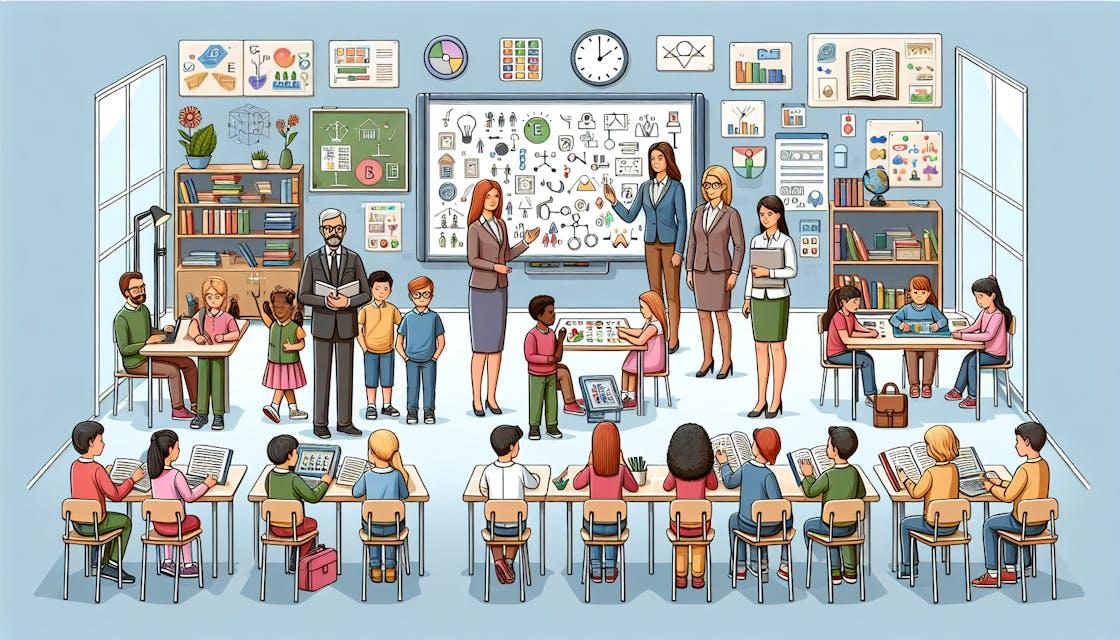
How Assistive Technologies Are Transforming Learning Experiences in Modern Education
Introduction: The new Era of Learning
The landscape of education is undergoing a seismic shift. Assistive technologies in education are no longer supplementary—they’re essential tools empowering every learner to reach their full potential. From text-to-speech software to dynamic learning platforms, these innovations are breaking down barriers, enabling inclusive classrooms, and transforming learning experiences in modern education. This article delves deep into the ways assistive technologies are reshaping student engagement, achievement, and overall educational outcomes, ensuring that no student is left behind.
What Are Assistive Technologies?
Assistive technology (AT) refers to devices, software, or equipment that help people with disabilities to perform functions that might or else be tough or impossible.In the context of modern education,assistive technologies encompass tools designed to support students’ unique learning needs,making educational content accessible and inclusive for everyone.
- Text-to-speech (TTS) and speech-to-text (STT): Converts written text into spoken words and vice versa, helping students with reading and writing difficulties.
- Screen readers and magnifiers: Supports visually impaired learners by reading out text or enlarging content on screens.
- Augmentative and alternative communication (AAC) devices: Enables students with speech or language impairments to communicate effectively.
- Specialized educational apps: Includes adaptive math, literacy, and language learning tools tailored for different learning needs.
- Hearing aids and FM systems: assists students with hearing impairments in accessing spoken data within the classroom.
The Role of assistive Technologies in Modern Educational Environments
With the drive towards inclusive education, schools and universities are integrating assistive technology into their daily curriculum.Here’s how these technologies are reshaping the way students learn:
1. Breaking Down Accessibility Barriers
Assistive technologies provide alternative access to curriculum materials, ensuring that students with physical, cognitive, or sensory differences can participate fully in modern learning environments. As an example,screen readers allow visually impaired learners to access digital textbooks and educational games,while hearing augmentation devices help hard-of-hearing students participate in group discussions.
2. Personalizing the Learning Experience
Modern classrooms are diverse, with students bringing a myriad of strengths and challenges. Assistive tools adapt to each learner’s needs, supporting differentiated instruction, and enabling teachers to tailor their teaching methods. Personalized settings in educational apps, such as, can adjust reading levels or math problems based on real-time student performance.
3. Enhancing Student Engagement and Confidence
When barriers are removed,students feel more motivated and confident. Assistive technology for students provides independence and fosters self-advocacy—crucial skills for success both academically and in life.
4. Bridging the Digital Divide
Assistive technologies also help bridge equity gaps, ensuring that students from various socio-economic backgrounds have equal opportunities to succeed in a tech-driven learning habitat.
key Benefits of Assistive Technologies in Education
- Promotes Inclusivity: Students with disabilities can participate alongside their peers, fostering a sense of belonging.
- Boosts Academic Performance: Research has shown that assistive technology enhances reading comprehension, writing skills, and overall academic achievement.
- Supports Teachers: Enables educators to deliver content in multiple formats, meeting diverse learning needs without disrupting lesson flow.
- Fosters Independence: Empowers students to manage their own learning processes and advocate for their needs.
- Builds Digital Literacy: Prepares all students for the technology-rich workplaces of tomorrow.
Real-world Case Studies: assistive Technologies in Action
Case Study 1: Text-to-Speech for Dyslexic Learners
In a progressive elementary school in California, implementing text-to-speech software resulted in a 30% improvement in reading comprehension among students with dyslexia.Teachers reported that students became more engaged and confident in tackling grade-level reading assignments.
Case Study 2: AAC Devices for Non-Verbal Learners
At a special education center in Texas, AAC devices enabled non-verbal students to participate in classroom discussions for the first time. Teachers noticed a notable increase in both academic participation and social interaction, dramatically improving students’ classroom experiences.
Case Study 3: Universal Design with Screen Readers and Magnifiers
A university in New York adopted universal design principles by integrating screen readers and magnifiers into their virtual learning platforms. This not only benefited visually impaired students, but also those with temporary impairments—providing a flexible learning environment for all.
Best Practices and Practical Tips for Integrating Assistive Technologies
- Involve Stakeholders Early: Work with students,parents,and special education professionals when planning to integrate assistive technology solutions in the classroom.
- Offer Ongoing Training: Make sure both teachers and students are cozy and proficient with new tools by providing regular training workshops.
- Personalize Solutions: Recognize that no single technology fits all students. Assess individual needs and adapt accordingly.
- Monitor and Measure Impact: Use assessment data to monitor how well assistive technologies are supporting learning objectives, and adjust strategies as needed.
- Stay Informed: Assistive technology is a fast-evolving field—stay updated on the latest solutions,updates,and research to keep your classroom at the cutting edge.
First-Hand experience: Voices from the Classroom
“Using speech-to-text software has completely changed my experience in school. I used to dread essays, but now I can express my thoughts clearly—just by speaking. My grades and my confidence have soared!”
— Emily R., High School Sophomore
“Assistive technology unlocks new learning possibilities.I can meet every student where they are, and no one feels left out.”
— Mr.Benjamin, Special Education Teacher
The Future of Assistive Technologies in Education
As artificial intelligence, machine learning, and other digital innovations mature, assistive technologies in education will become even more adaptive, affordable, and seamless. Expect to see tools that can intelligently assess student progress, adjust instruction in real-time, and provide actionable feedback for both educators and learners. The goal is clear: make learning accessible, engaging, and effective for every student, regardless of ability.
Conclusion: A New Chapter for Inclusive Learning
Assistive technologies are transforming learning experiences in modern education—reshaping classrooms into vibrant, inclusive spaces where every learner can thrive.By breaking down barriers, personalizing education, and empowering educators and students alike, these tools aren’t just bridging gaps—they’re building bridges to truly accessible, innovative, and engaging education for all. As we look ahead, embracing assistive technology is not only the right choice, but the smart one, elevating educational outcomes and shaping the future of learning.