
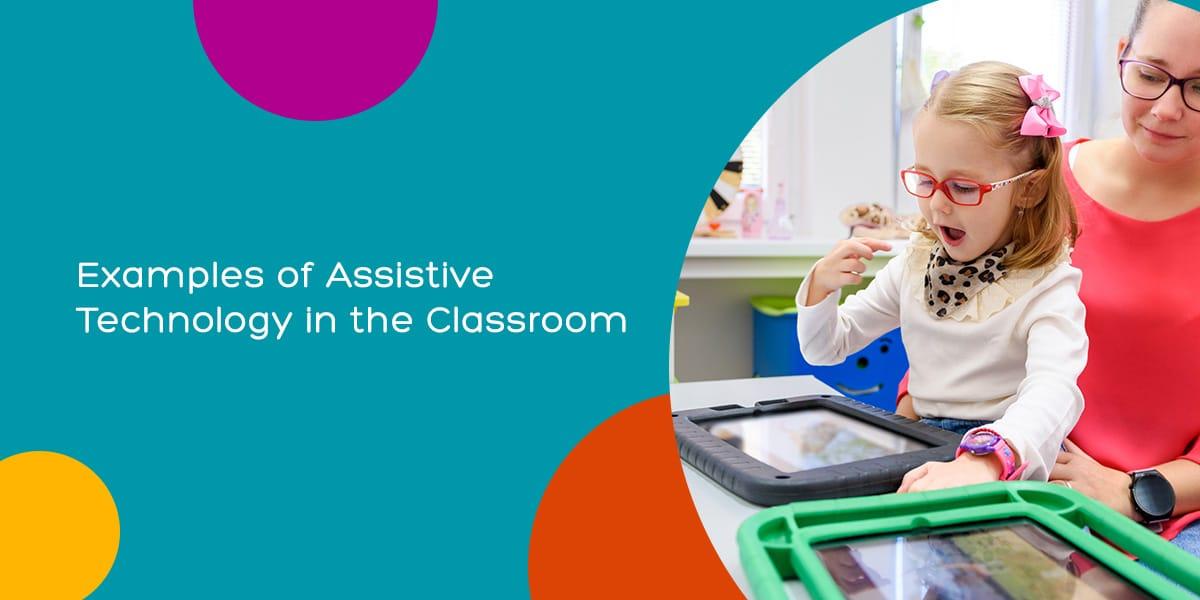
How Assistive Technologies Are Transforming Learning Experiences in today’s Classrooms
The integration of assistive technologies in education is revolutionizing the way students learn, interact, and succeed in today’s classrooms. By embracing innovative educational tools, schools are enhancing accessibility and creating more inclusive learning environments for everyone. Let’s explore how thes technologies are making an impact on teaching and learning.
What Are Assistive Technologies in Education?
Assistive technology (AT) refers to devices, software, or equipment that support students with disabilities or learning differences. These tools empower learners to access educational content, demonstrate their understanding, and participate fully in classroom activities. From screen readers and speech-to-text software to interactive whiteboards and specialized apps, assistive technologies are becoming staples in modern classrooms.
Common Types of Assistive Technologies:
- Text-to-Speech Software: Converts written text into audio, aiding students with reading difficulties.
- Speech-to-Text Tools: Transcribes spoken words into written text, supporting those with writing or motor skill challenges.
- Screen Readers: Help visually impaired students navigate and interpret digital content.
- Augmentative and Choice Communication (AAC) devices: Enable non-verbal students to communicate.
- Closed Captioning and Video Transcription: Makes multimedia content accessible for learners who are hard of hearing.
- Adaptive Keyboards and Mice: Customized input devices for students with physical disabilities.
- Learning Apps and Software: Platforms like Grammarly, Kurzweil 3000, and Ghotit offer individualized learning support.
The Impact of Assistive Technology on Classroom Learning
Incorporating assistive technologies in classrooms brings a multitude of benefits that reach far beyond simply supporting learners with disabilities. These tools promote inclusive education, personalized learning, and equitable access to knowledge.
key Benefits of Assistive Technology in classrooms:
- Fosters Independence: Students gain the skills to work independently, boosting confidence and motivation.
- Improves Academic Performance: By breaking down barriers,all students are empowered to engage and achieve their full potential.
- Enhances Engagement: Interactive tools make learning more fun and relatable for a wide range of learners.
- Enables Differentiated instruction: Teachers can personalize lessons to meet individual learning needs and styles.
- Supports Universal Design for Learning (UDL): AT helps implement UDL by offering multiple means of representation, expression, and engagement.
- Facilitates Communication: AAC devices and speech-generating tools foster communication between students, teachers, and peers.
- Reduces Stigma: Integrating AT for all learners normalizes the use of support tools and creates an inclusive atmosphere.
Notable Case Studies: Assistive Technology in Action
Schools and districts worldwide are witnessing remarkable transformations through the implementation of assistive technologies. Here are a few inspiring case studies:
1. using Speech-to-Text Tools for Students with Dyslexia
In a primary school in New York, students with dyslexia were given access to speech-to-text software for written assignments. The result? Not only did their writing fluency improve, but their enthusiasm for expressing ideas grew substantially. Teachers reported a 30% increase in assignment completion rates and greater classroom participation.
2.Interactive Whiteboards for Inclusive Learning
A London secondary school integrated interactive whiteboards with screen-mirroring apps. Students with visual impairments could connect personal devices to magnify content and control the display. This inclusive setup led to higher teamwork and allowed all students to contribute actively, leveling the playing field.
3. AAC Devices Empower Communication
In a California school district, students with non-verbal autism received AAC devices. These tools enabled them to participate in class discussions and express their needs more effectively. One parent noted, “For the first time, my child can ‘speak’ up in class — it’s life-changing!”
First-Hand Experience: Teachers and Students Speak Out
“When we started using text-to-speech apps in my classroom, my students who struggled with reading began absorbing details faster.They felt less frustrated and more included. I’ve seen students who once dreaded reading assignments now volunteer to read aloud with the support of these tools.”
—Ms. Rachel Morgan, Elementary Teacher, Ohio
“Using learning apps tailored to my needs, I finally understood math concepts that used to confuse me. It’s made school way less stressful!”
—Liam, Grade 7 Student
Practical Tips for Implementing Assistive Technologies in the Classroom
- Assess Student Needs: Identify learners who can benefit most from specific assistive technologies through formal or informal assessments.
- Provide Professional Growth: Offer ongoing training to teachers on the latest AT tools,ensuring confident,effective integration.
- Start small: Begin with one or two tools, gather feedback, and scale implementation based on student outcomes.
- Involve Students and Families: Collaborate with students and their families when selecting and personalizing tools for optimum engagement.
- Ensure Accessibility: Regularly audit classroom materials and technologies for accessibility and compliance with relevant legislation (like ADA or IDEA).
- Leverage Free Resources: explore free or low-cost assistive technology apps—many platforms offer free trials or versions for educators.
- Monitor Progress: Track the impact of assistive technology and adjust strategies as needed to maximize effectiveness.
Challenges and Future Opportunities in Assistive Technology Adoption
While beneficial, integrating assistive technology in schools comes with its own hurdles:
- Budget Constraints: Many robust AT tools require funding, which can be a barrier for under-resourced schools.
- Training and Support: Teachers need ongoing professional development to keep up with evolving technologies.
- Personalization: matching the right tool to the right student requires careful consideration and continuous evaluation.
- Technical Issues: Reliable internet and device compatibility are necessary for seamless implementation.
The future is promising, however. Advances in AI,machine learning,and mobile technology are leading to more intuitive,affordable,and powerful assistive solutions.
Emerging trends, such as AI-driven personalized learning platforms and wearable assistive devices, promise even greater opportunities for tailoring classroom experiences and enhancing student success.
conclusion: the Transformative Power of Assistive Technology in Education
Assistive technologies are reshaping what it means to learn and teach in today’s classrooms. By prioritizing inclusive education, schools can unlock every student’s unique strengths and foster a sense of belonging. Weather you’re an educator, parent, or student, embracing assistive tools can open the door to new possibilities and lifelong learning success.
As we look ahead,the ongoing evolution of technology in education holds even greater promise for accessibility,engagement,and equity for all learners. Now is the time to champion the use of assistive technology and ensure that every student has the support they need to thrive.