
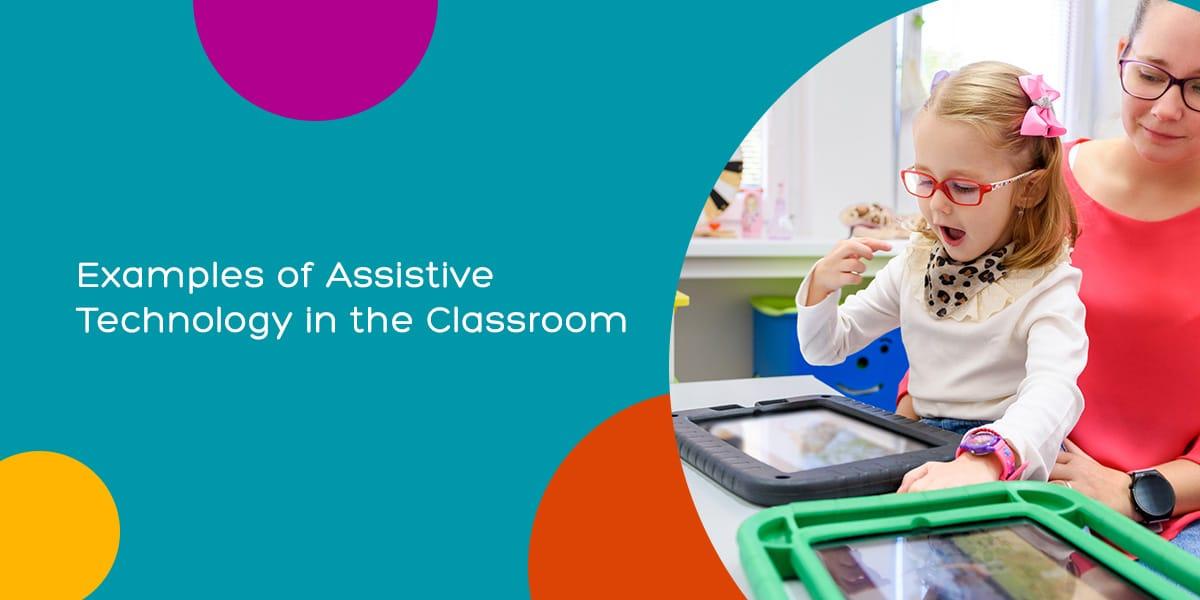
how assistive Technologies Are Transforming Learning Experiences in Today’s Classrooms
Assistive technologies are rapidly reshaping the landscape of education. As classrooms become more inclusive and diverse, these innovative tools empower students of all abilities to engage, learn, and succeed alongside their peers. In this comprehensive guide, we delve into how assistive technologies are transforming learning experiences in today’s classrooms, offering practical advice, real-world examples, and expert insights for educators, parents, and administrators.
What Are Assistive Technologies in Education?
Assistive technologies (AT) refer to devices, software, or equipment designed to support the learning process of students with disabilities or unique learning needs. However, their benefits ofen extend beyond special education, helping all learners access, process, and produce data effectively.
- Text-to-speech software: Converts written text into spoken words, aiding students with dyslexia, visual impairments, or reading difficulties.
- Speech-to-text applications: Allow students to dictate instead of writing, supporting those with dysgraphia or motor challenges.
- Augmentative and alternative dialogue (AAC) devices: Provide communication options for non-verbal students or those with speech disorders.
- Screen readers and magnifiers: Enhance accessibility for students with visual impairments.
- Learning management systems (LMS) with accessibility features: Platforms like google Classroom and Canvas offer built-in AT options.
By integrating these assistive technologies, educators can foster a more equitable and interactive classroom environment.
Top Benefits of Assistive Technologies in Today’s Classrooms
The impact of assistive technology in education cannot be overstated. Here are some of the key advantages for students, teachers, and entire school communities:
- Personalized learning: AT tools adapt to individual learning styles and paces, ensuring every student can thrive.
- Increased engagement: Interactive and accessible content makes lessons more captivating and meaningful.
- Improved academic performance: Students who use AT often demonstrate higher achievement in reading, writing, and problem-solving.
- greater independence: Learners develop self-reliance, minimizing the need for constant adult assistance.
- Enhanced inclusion: Assistive technology bridges gaps, enabling all students to participate fully in classroom activities.
- Support for teachers: AT can reduce teachers’ workloads by automating certain tasks and facilitating differentiated instruction.
Types of Assistive Technologies Shaping Modern Education
Let’s explore some of the most influential assistive technologies currently used in classrooms:
1. Text-to-Speech (TTS) and Speech-to-Text (STT) Tools
TTS software, such as Read&Write and Kurzweil 3000, enables students with reading difficulties or visual impairments to comprehend written material more easily. Conversely, STT programs like Dragon NaturallySpeaking help students articulate their thoughts when writing is a challenge.
2. Digital Graphic Organizers
applications such as Inspiration Maps and MindMeister assist students in organizing their ideas visually, enhancing comprehension for learners with ADHD or executive function disorders.
3. Alternative Input Devices
Switches, adaptive keyboards, and eye-tracking devices ensure students with physical disabilities can interact with computers and educational software.
4. AAC Devices and Apps
Tools like Proloquo2Go and Tobii Dynavox offer communication support for non-verbal students, enabling participation in classroom discussions.
5. Accessible Learning Management Systems
Platforms such as Moodle and Google Classroom now include accessibility features like captioning, screen reader compatibility, and customizable interfaces.
Case Studies: Real-World Impact of assistive Technology
The practical impact of assistive technologies comes alive in real classroom settings. Below are two inspiring case studies:
Case Study 1: transforming Literacy at Lincoln Middle School
- challenge: A notable percentage of students struggled with reading comprehension and writing assignments due to dyslexia and language disorders.
- Solution: The school implemented text-to-speech and word prediction tools across all language arts classes.
- Results: Within a year, reading test scores improved by 18%, and students reported greater confidence and enjoyment in reading.
Case Study 2: Inclusive Math Instruction with AAC Devices
- Challenge: Non-verbal students found it challenging to participate in group math activities.
- Solution: Teachers introduced AAC apps and interactive whiteboards with math symbol support.
- Results: Engagement and problem-solving participation doubled, enriching the classroom dynamic for all students.
Best Practices for Integrating Assistive Technologies in the Classroom
Triumphant integration of assistive technologies in education requires planning and collaboration. Here are practical tips for educators:
- Assess Individual needs: Collaborate with special educators and families to determine the right AT solutions for each learner.
- Provide Ongoing Training: Include professional progress for teachers and staff to maximize effective AT use.
- Start Small & Scale Up: pilot specific technologies in select classrooms before schoolwide adoption.
- Solicit Student Feedback: Regularly gather input from students about what works and what could be improved.
- Ensure Accessibility: Choose platforms and tools compatible with major assistive devices and compliant with accessibility standards.
- Celebrate Successes: Showcase positive outcomes with assistive technology to build community support and encourage further innovation.
Common Challenges and How to overcome Them
Despite its potential, introducing assistive technology in the classroom can present some challenges. Here’s how to tackle the most common obstacles:
- Limited Funding: Seek grants, partnerships with tech companies, or leverage open-source AT tools to manage costs.
- Resistance to Change: Provide evidence-based training and share success stories to overcome skepticism.
- Technical Difficulties: Establish robust IT support and troubleshoot challenges proactively.
- Lack of Awareness: Host workshops or create digital resource libraries to keep faculty informed about new technologies.
First-Hand Experience: A Teacher’s Outlook
“Integrating assistive technology into my classroom has been a transformative journey. At first, I was unsure about which tools would fit our students’ needs.Gradually, with training and feedback, I saw reluctant learners blossom into active participants. The joy on their faces when they realized they could read stories or express their thoughts independently was priceless.” —Mrs. Emily Roberts, Special Education Teacher
Future Trends: What’s Next for Assistive Technologies in Education?
The future of assistive technology in education is exciting, with AI-powered personalized learning, real-time language translation, and even virtual and augmented reality tools creating new opportunities for immersive, inclusive education.
- AI and Machine Learning: Predictive analytics and adaptive content delivery tailored to each student’s abilities.
- Augmented Reality (AR) & Virtual Reality (VR): Sensory-rich environments for experiential learning, accommodating various disabilities.
- Universal Design for Learning (UDL): Growing emphasis on designing curriculum and environments that are accessible from the start.
Staying informed and open to these advances will ensure teachers and schools remain leaders in inclusion and accessibility.
Conclusion
In today’s diverse classrooms, assistive technologies are not just supportive add-ons—they’re transformative tools that level the educational playing field.By embracing accessible solutions, educators unlock every student’s potential, catalyzing achievements that were once out of reach. With ongoing innovation and collaboration, the journey toward inclusive learning is just beginning—one where everyone belongs and succeeds. If you’re ready to discover more, explore reputable assistive technology resources and foster a future where learning has no limits.