
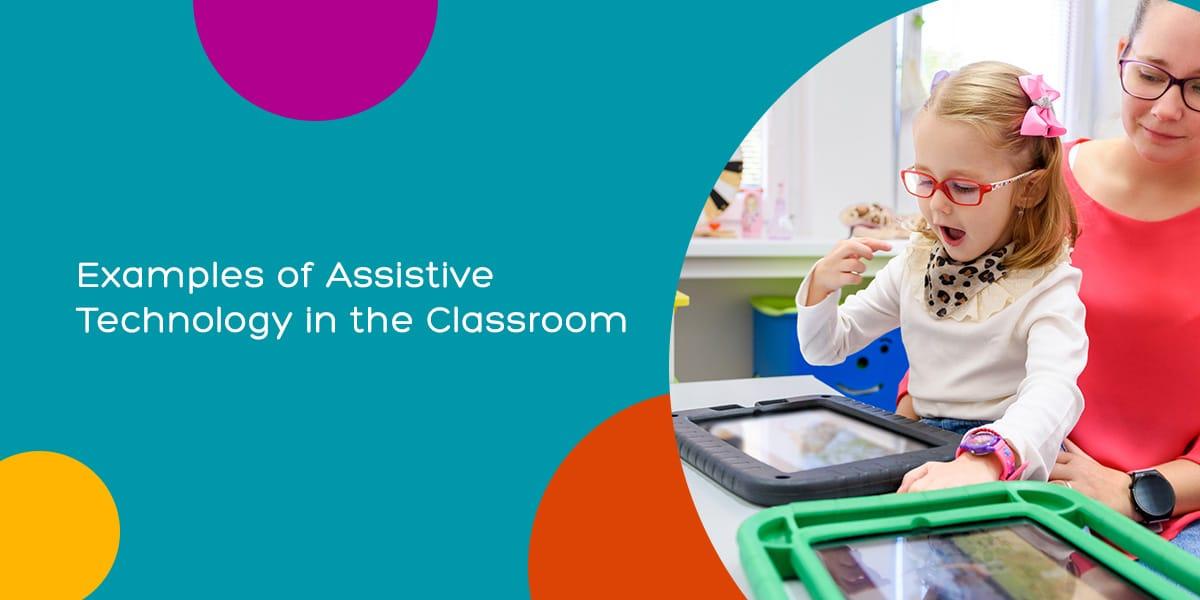
How Assistive Technologies Are Transforming Modern Learning Experiences
In today’s fast-paced digital world, education is being reimagined like never before. Assistive technologies are at the forefront of this transformation, making learning more accessible, inclusive, and engaging for students of all abilities.From interactive software and adaptive hardware to AI-driven tools, these innovations are breaking down barriers and empowering learners to reach their full potential. Let’s take a deep dive into how assistive technologies are revolutionizing modern learning experiences.
What Are assistive Technologies in Education?
Assistive technology refers to any device,software,or equipment that helps people overcome challenges related to disabilities or learning differences. In the realm of education, assistive technologies can support students with vision, hearing, mobility, cognitive, and learning disabilities, making classroom environments more inclusive and effective.
- Text-to-Speech (TTS) software: Converts written text into spoken words, helping students with reading difficulties.
- Speech-to-Text (STT) tools: Enable learners to dictate essays, notes, and exams.
- Braille displays: allow visually impaired students to access written material in real time.
- Closed captioning: Assists learners with hearing impairments.
- Graphic organizers and mind-mapping tools: Aid students in organizing their thoughts.
- Screen readers: Provide auditory access to digital content.
- Choice input devices: Facilitate computer use for those with mobility challenges.
The impact of Assistive Technologies on Modern Learning
The integration of assistive technology in classrooms is no longer a luxury—it’s a necessity. Technological advancements are reshaping how students with diverse needs engage with curriculum material, collaborate with peers, and demonstrate their understanding.
1.enhanced Accessibility
Modern assistive tools ensure every student has an equal chance to learn, regardless of their physical or cognitive limitations. by providing customized ways to access information, these technologies foster educational equity.
2. Personalized Learning
Adaptive software tailors instructions and feedback to each learner’s preferences and abilities. For instance,apps can adjust reading levels,custom-fit exercises,and offer alternative formats (audio,video,text),allowing for personalized learning experiences that maximize student engagement.
3. Increased Student Engagement
Interactive and multimedia-rich assistive tools make learning more dynamic and enjoyable. Gamified apps, augmented reality, and interactive whiteboards keep students motivated and keen to participate.
4. Independent Learning
Manny assistive platforms enable students to learn at their own pace, reducing dependence on teachers or peers. This autonomy is vital for developing self-confidence and lifelong learning skills.
Key Benefits of Assistive Technologies in Education
- Inclusivity: Boosts participation from students of all backgrounds and abilities.
- Accessibility: Overcomes customary classroom limitations for those with physical, cognitive, or sensory challenges.
- Improved achievement: Supports better comprehension and retention of material.
- tailored Feedback: Provides immediate, individualized support and correction.
- Reduced Anxiety: Helps students manage test-taking and assignments with less stress.
- Preparation for the Future: Familiarizes students with the digital tools they’ll use outside of school.
Real-World Case Studies: Assistive Technology in Action
Case Study 1: Using Text-to-Speech for Dyslexic Students
At a public school in California, educators incorporated text-to-speech (TTS) devices in language arts classrooms. Students with dyslexia reported notable improvements in reading comprehension and overall confidence. Teachers noticed increased classroom participation and better assignment completion rates. TTS allowed these students to process complex texts independently, keeping them at pace with their peers.
Case Study 2: Interactive Whiteboards for Students with Autism
A middle school in New York introduced interactive whiteboards coupled with visual learning aids for students on the autism spectrum. The tactile and visual components of the technology helped reduce anxiety and engage students who struggled with traditional lecture formats. Test results and social interaction in collaborative settings improved measurably over one academic year.
Case Study 3: Mobile Apps for Visual Impairment
In an inclusive school in the UK, mobile apps with screen reading, magnification, and color correction features enabled visually impaired students to access curriculum material independently. Consequently, students not only improved academically but also developed stronger digital literacy and problem-solving skills.
First-Hand Experiences: Voices from the Classroom
“As a teacher, seeing my students use assistive technology to create multimedia reports or access digital textbooks is incredibly rewarding. These tools have turned once-frustrating tasks into enjoyable, achievable challenges.” — Maria Sanchez, 5th Grade Teacher
“The speech-to-text app on my tablet has changed the way I take notes. I’m able to keep up in class and stay focused on what’s being taught rather than worrying about handwriting.” — Tyler,High School Student
Practical Tips for Implementing Assistive Technologies in Education
- Assess Individual Needs: Collaborate with specialists,families,and students to identify the right assistive tools based on specific learning challenges.
- Integrate Gradually: Introduce new technologies step-by-step, allowing time for training and adaptation.
- Offer Professional Progress: Equip teachers with the skills and confidence to use and troubleshoot assistive devices and software.
- Foster peer support: Encourage a classroom culture were all students are respected and included, and can definitely help each other navigate technological tools.
- Stay Updated: technology evolves rapidly.Regularly evaluate and upgrade assistive tech platforms to ensure optimal accessibility and student success.
Top Assistive Technologies Reshaping Learning Today
- Microsoft Immersive Reader: Facilitates reading comprehension with customizable fonts, spacing, and read-aloud features.
- Kurzweil 3000: Offers a comprehensive suite for reading, writing, and study support.
- Dragon NaturallySpeaking: Advanced speech recognition software for dictation and hands-free computing.
- Google classroom accessibility extensions: Include Voice Typing, Screen magnifier, and closed captions for videos.
- JAWS (job Access With Speech): A robust screen reader for visually impaired users.
- Read&Write by Texthelp: Innovative reading, writing, and research aids usable across devices.
Future Trends: The Next Frontier in Assistive Technology for Learning
The horizon of assistive technology in education continues to expand. Artificial intelligence,machine learning,and augmented reality are paving new pathways for personalized,immersive education. The future may bring:
- Real-time translation and transcription for multilingual learners
- Wearable devices that monitor cognitive or emotional engagement
- Augmented reality overlays to visualize abstract concepts
- Intelligent tutoring systems tailored to students’ unique strengths
Conclusion: Empowering Every Learner
Assistive technologies are more than just tools—they are powerful catalysts for educational change. By transforming modern learning experiences,they champion inclusivity,enhance engagement,and fuel student success in ways never before possible. as schools and educators continue to embrace these innovations, every learner—regardless of their abilities—can thrive and realize their full educational potential. Whether you’re an educator, parent, or student, staying informed and proactive about assistive technology is the key to unlocking better learning outcomes for all.