
How Augmented Reality Will Transform the Future of Textbooks
Augmented Reality (AR) is changing the way we interact with the world, and its impact on education is nothing short of revolutionary. Imagine textbooks that leap off the page—bringing diagrams,stories,and lessons to life in 3D,interactive scenes. This isn’t science fiction; augmented reality in textbooks is quickly becoming a reality, reshaping how students learn and engage with content. In this thorough guide, we’ll explore how AR will transform textbooks, discuss the benefits, present practical tips, share inspiring case studies, and provide actionable insights for educators and students.
what is Augmented Reality in Education?
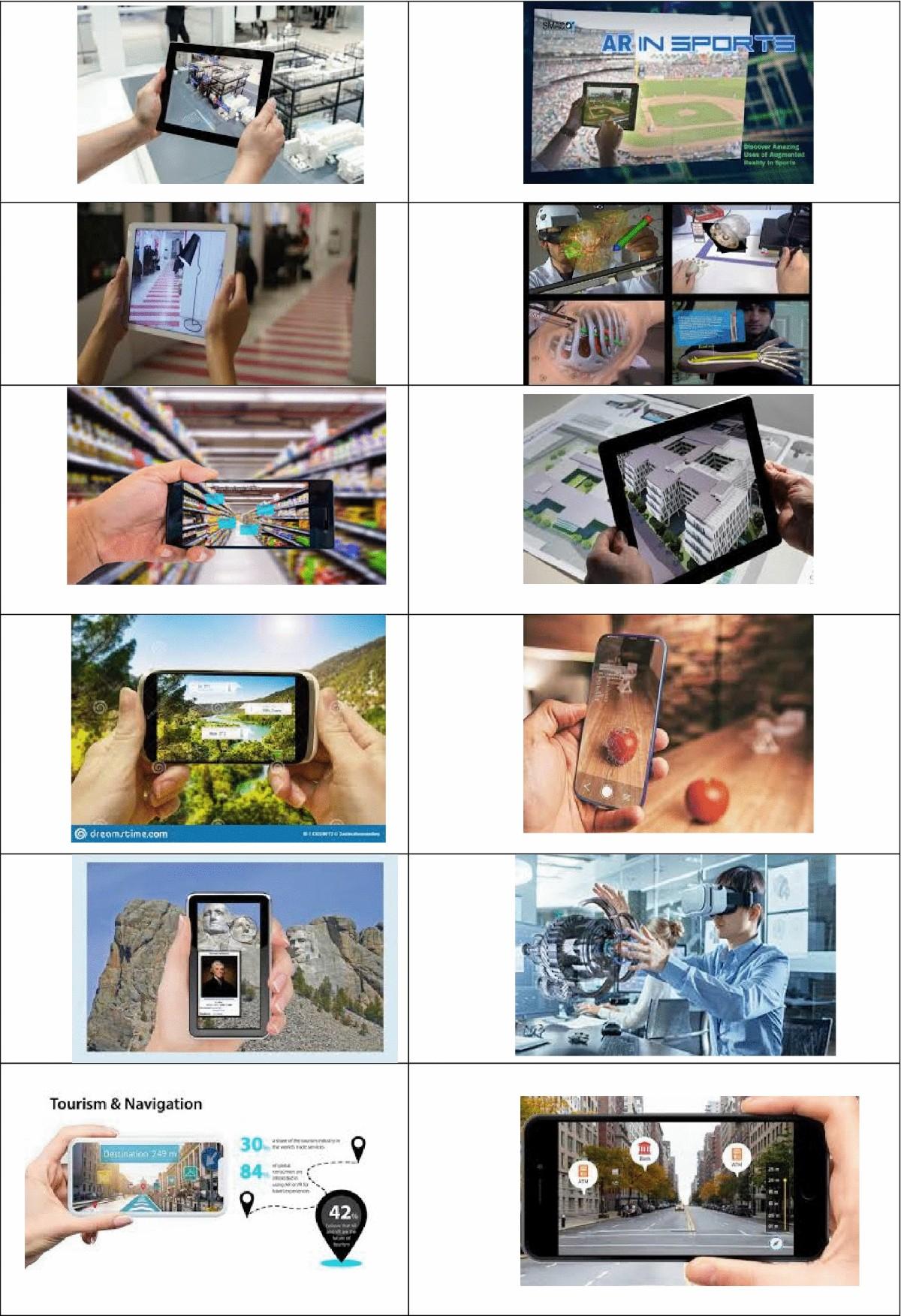
Augmented Reality overlays digital information—such as images, videos, animations, or interactive content—on the physical world using devices like smartphones, tablets, or AR glasses. Unlike virtual reality, AR doesn’t require a complete immersion; instead, it enhances real-world experiences by adding layers of digital content.
In the context of textbooks and education, AR allows static textbook pages to turn into dynamic experiences. With a speedy scan using an AR-enabled device, students can see:
- 3D models of molecules, ancient artifacts, or biological systems
- Animated explanations of processes (e.g., photosynthesis, engine workings)
- Interactive quizzes and games that boost retention
- Links to audio, video, and supplementary materials
The Benefits of Augmented Reality Textbooks
Integrating AR into textbooks brings a multitude of advantages for learners, educators, and educational publishers. Let’s delve into why AR textbooks are considered the future of learning:
1. Enhanced Engagement and Motivation
- AR makes learning fun and interactive, capturing students’ attention.
- Complex concepts become easier to visualize, making learning less intimidating.
- Gamified elements (badges, challenges) keep students motivated.
2. improved Knowledge Retention
- Studies show that visual and experiential learning helps retain information longer.
- Interactive elements allow for repeated practice and instant feedback.
3. Accessibility and Inclusivity
- AR textbooks can offer features for differently-abled students (e.g., audio narration, sign language integration).
- Translations, closed captions, and alternative visualizations broaden accessibility.
4.Real-Time Updates
- Digital overlays can be updated, ensuring up-to-date information without printing new books.
- Supplemental material changes dynamically based on curriculum needs.
5. Cost Efficiency and Sustainability
- Reduces the need for frequent reprinting and distribution of physical textbooks.
- Promotes eco-friendly learning by minimizing paper usage.
How Augmented Reality Will Transform textbook Content
AR will fundamentally change the design, delivery, and use of textbooks. Here’s what the transformation might look like:
- Visualization of Abstract Concepts: Subjects like math and science become accessible through tangible 3D visualizations.
- Learning by Doing: Virtual labs and simulations allow for experimentation—without physical resources or risk.
- Real-World Connections: History comes alive with reenactments; geography is explored with interactive maps.
- Personalized Learning Paths: AR content adapts to individual student pace and style, ensuring a tailored learning experience.
Case Studies: AR Textbooks in Action
Several educational institutions and publishers have already begun implementing AR in textbooks. Let’s look at some standout examples:
MEL science
MEL Science incorporates AR in their chemistry kits and supporting textbooks, allowing students to scan certain pages to visualize molecules in 3D. the experience helps learners to understand molecular structures and reactions far better than static images.
Pearson’s AR Biology Books
Pearson, a global educational publisher, has developed biology textbooks enriched with AR. Students can scan images to watch animated explanations of complex processes, such as cell division and DNA replication. Feedback indicates notable betterment in student comprehension.
Classrooms Using AR Apps
Schools in Finland and South Korea have piloted AR-enhanced textbooks in STEM subjects. Teachers reported higher engagement levels and improved test scores, especially with students who previously struggled with abstract concepts.
“AR textbooks made chemistry come alive for my class. Even students with learning difficulties were excited and participative!” — Ms. Johnson, Science Teacher
Practical Tips to Get Started With AR Textbooks
Integrating AR into textbooks dose not have to be daunting. Here are some practical steps for educators, publishers, and students to start benefiting from augmented reality in education:
For Educators:
- Research AR-ready textbook publishers and resources relevant to your curriculum.
- Test AR apps (such as Quiver, MEL Science, or Metaverse) for suitability and ease of use.
- Encourage students to use tablets or smartphones with AR capabilities.
- plan lessons around AR experiences to maximize interactivity.
for educational Publishers:
- collaborate with AR developers to integrate digital overlays and interactions into textbook designs.
- Invest in user experience (UX) research to ensure intuitive navigation for students and teachers.
- Update educational content regularly,adding new AR features over time.
For students:
- Explore AR features in existing textbooks and educational apps.
- Bring a device (tablet or smartphone) to class; ask teachers about AR-compatible materials.
- Use AR visualizations to review and reinforce understanding outside the classroom.
Challenges and Considerations
Despite its promise, integrating augmented reality in textbooks presents certain challenges that must be addressed:
- Device Requirements: Not all students own AR-capable devices; equitable access is essential.
- Technical Support: Teachers and students may require training to use AR tools effectively.
- Content Quality: AR elements should enhance, not distract from, learning. rigorous testing is necessary.
- Data Privacy: Schools and publishers must safeguard user data when using AR apps.
With careful planning and gradual implementation, thes obstacles can be overcome, paving the way for more inclusive and innovative learning environments.
The Future of AR Textbooks: What Lies Ahead?
The evolution of textbooks with augmented reality has only just begun. In the next few years, we can expect:
- Widespread adoption of AR textbooks across all grade levels and subjects.
- Integration with wearable AR devices, such as smart glasses, making learning even more seamless.
- Collaborative and multiplayer learning where students work together within shared AR environments.
- Data-driven personalization, using analytics from AR interactions to improve educational outcomes.
“Augmented reality is set to be as transformative for education as the Internet itself.” — EdTech magazine
Conclusion: Embracing the AR Textbook Revolution
Augmented Reality is redefining how we engage with textbooks and the core pillars of education—making learning more immersive, accessible, and effective than ever before. By embracing AR technology, schools, publishers, and students prepare for a future where textbooks are not just sources of information, but gateways to experience. The journey is only beginning, but the destination promises a vibrant, interactive, and highly personalized world of learning. Now is the perfect time to explore how augmented reality can transform textbooks for your classroom or study life.
Are you ready to enter a new dimension of educational possibilities? Whether you’re an educator, publisher, student, or parent, exploring AR textbooks could be the best investment in the future of learning. stay tuned as this exciting technology continues to rewrite the story of education.