
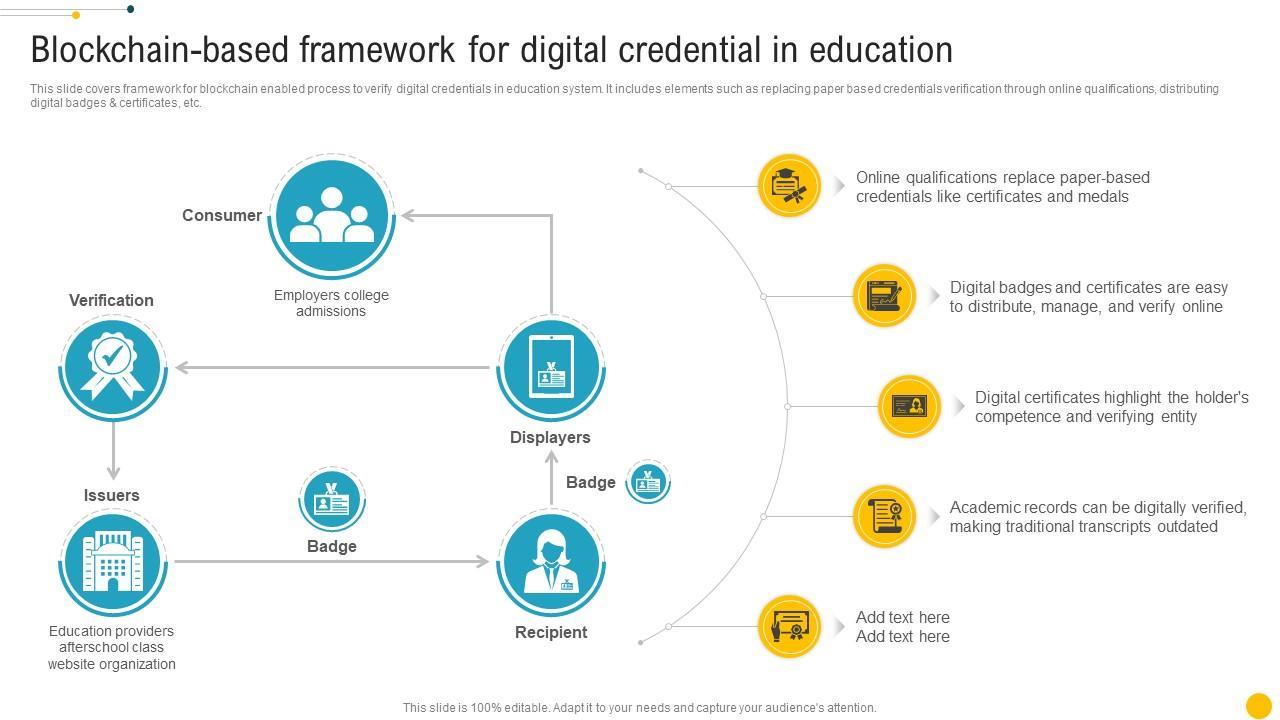
How Blockchain Is Revolutionizing Qualification Verification: A Guide to Secure Credentials
In today’s digital age, verifying academic, professional, or training credentials is critical. Yet, manual verification methods can be time-consuming, costly, and susceptible to fraud.Enter blockchain technology—a game-changer for credential transparency and tamper-proof management. Whether you’re a student, employer, or certification authority, understanding how blockchain is revolutionizing qualification verification is essential. This guide will explain the basics, showcase practical benefits, and offer real-world insights into implementing secure blockchain-based credentials.
Understanding Qualification Verification and Its Challenges
Qualification verification ensures the authenticity of a person’s educational achievements,professional certificates,or skills. Traditionally, this involves manual checks, email requests, or phone calls to institutions. Unluckily,these legacy systems face several challenges:
- Time-Consuming Processes: Verifying certificates can take days or weeks.
- Fraudulent Credentials: Diploma mills and fake certificates are on the rise.
- Poor Data Security: Centralized databases are vulnerable to breaches.
- Lack of Interoperability: Credentials are not easily shareable or verifiable across borders and industries.
With the global workforce becoming ever more dynamic, organizations need a solution that is trustworthy, efficient, and scalable. This is where blockchain credential verification steps in.
What Is Blockchain-Based credential Verification?
Blockchain is a decentralized, tamper-resistant ledger technology. When applied to qualification and certificate verification, it allows academic institutions, professional bodies, and training providers to issue digital credentials directly onto the blockchain.These credentials are:
- Immutable and nearly unfeasible to forge
- Instantly verifiable with cryptographic proof
- Sharable and portable by the credential holder
- Accessible globally, 24/7
This disruptive approach replaces manual verification with a single-click process, saving time, money, and reducing the risks associated with human error or forgery.
How Blockchain Secures Credentials: The Technical Advantage
Blockchain qualification verification leverages unique characteristics of the technology:
- Decentralization: No single authority controls the blockchain, ensuring that credentials can’t be secretly altered or deleted.
- Immutability: Once a credential is issued on the blockchain, itS cryptographically sealed, preventing unauthorized modifications.
- Transparency & Traceability: All actions (issuance, revocation) are traceable, allowing for instant auditing.
- Self-Sovereign Identity: Individuals control and share their own credentials using secure digital wallets, enhancing privacy.
With these principles at work,organizations and individuals can trust that blockchain credentials are authentic,tamper-proof,and instantly verifiable from anywhere in the world.
Key Benefits of Blockchain for Qualification Verification
- Elimination of Credential Fraud: Digital credentials on blockchain cannot be counterfeited,protecting employers and institutions.
- Reduced Verification Time: Automated smart contracts enable instant verification without human intervention.
- Lower Costs: Reduces administrative burden and eliminates third-party verification expenses.
- Improved Data Privacy: Credential holders decide when and with whom to share their information.
- Interoperability: Credentials can be validated across borders and platforms seamlessly.
As a result, blockchain-based verification of qualifications is gaining traction in various sectors, from higher education to industry certification programs.
Real-World Use Cases: Who Is Leading the Way?
- Educational Institutions: MIT issues digital diplomas powered by blockchain, allowing graduates to share their credentials with employers or institutions worldwide.
- Professional License Bodies: The Malta Digital Innovation Authority leverages blockchain to validate and manage professional certificates, streamlining the licensing process.
- Recruitment Platforms: Companies like Learning Machine and Credly enable students and professionals to showcase cryptographically verified accomplishments on their CVs or LinkedIn profiles.
- Government Initiatives: Singapore’s OpenCerts initiative allows any graduate from participating institutions to download and verify certificates instantly via blockchain.
These pioneers are setting a new standard for secure qualification verification—making it more accessible, efficient, and trustworthy.
Implementing blockchain Credential Verification: Practical tips for Organizations
Are you considering adopting blockchain for secure credentials in your institution? Here are some actionable steps:
- Identify pain Points: Assess areas where current verification methods are inefficient or prone to fraud.
- Choose the Right Platform: Popular open-source options include Hyperledger, Ethereum, and Blockcerts. Consider security, scalability, and user experience.
- Integrate with Existing Systems: Use APIs or third-party providers to connect blockchain credentialing with your learning management, HR, or student information systems.
- Educate Stakeholders: Inform staff, students, and employers about the benefits and how to use digital credentials.
- Pilot and Scale: Start with a pilot program before rolling out blockchain qualification verification organization-wide.
By following these steps, institutions and businesses can ensure a smooth transition to blockchain-secured credentials, enhancing trust and operational efficiency.
Case Study: First-Hand Experience with Blockchain Credentialing
“Implementing blockchain for our certification programs has drastically improved our verification process,” shares the Director of a global tech academy. “Not only are we saving time with instant employer checks, but our students feel empowered owning and sharing their verifiable badges worldwide.It’s a win-win for security and reputation.”
Their story echoes similar feedback from universities and industry associations: implementing blockchain-secured qualifications builds greater trust with employers and enhances global recognition for graduates and professionals.
Frequently Asked Questions About Blockchain-Based Credential verification
Is blockchain secure enough for sensitive data?
Absolutely! Instead of storing actual certificates on-chain, most systems store encrypted digital signatures or hashes, ensuring personal data is protected.
Will employers accept blockchain-issued credentials?
Adoption is growing rapidly as major institutions and tech giants start recognizing and validating these credentials. Blockchain’s transparency actually facilitates easier acceptance by employers.
What about the cost and complexity of implementation?
While initial setup may involve investment and training, long-term savings in administrative costs and fraud reduction are notable. Various SaaS platforms now offer plug-and-play blockchain credential solutions for even small organizations.
Conclusion: the future of Qualification Verification lies in Blockchain
As we look ahead, blockchain credential verification is set to become the new gold standard in secure, efficient, and trustworthy qualification management. By harnessing blockchain’s unique combination of cryptographic security, decentralization, and transparency, organizations can eradicate credential fraud, streamline their hiring and admissions processes, and empower individuals to own and share their achievements like never before.
Whether you’re an academic institution, employer, or professional organization, the time to embrace blockchain-powered secure credentials is now. Not only does it future-proof your operations,but it also signals to learners and professionals that you prioritize trust and innovation.
Ready to explore blockchain qualification verification? Start your journey today and join the movement toward a more secure, connected, and credible future!