
How Blockchain Is revolutionizing Qualification Verification: Benefits & Best Practices
blockchain technology is disrupting traditional sectors at lightning speed—and one area experiencing a seismic shift is qualification verification.Whether for hiring, academic admissions, or professional licensing, ensuring the authenticity of qualifications is crucial. But with increasing cases of document forgery and credential fraud, legacy systems are often no longer sufficient.
In this extensive article, we’ll explore how blockchain is transforming qualification verification, the key benefits it offers, inspiring case studies, and best practices for leveraging blockchain for secure and obvious credential validation.
Understanding Qualification Verification: Challenges in the Traditional Approach
Traditional methods of verifying academic, professional, and training qualifications often involve a blend of paper documents, manual processes, and centralized databases. These processes are riddled with challenges:
- time-consuming authentication: Manual verification by contacting institutions can take days or weeks.
- Fraud risks: Fake degrees and certificates are increasingly elegant.
- Lack of transparency: Centralized systems aren’t always accessible or audit-friendly for stakeholders.
- High operational costs: Administrative workloads drive up costs for organizations and applicants alike.
- Data privacy concerns: Exchanging personal documents raises issues under privacy laws like GDPR.
How Blockchain technology works in Credential Verification
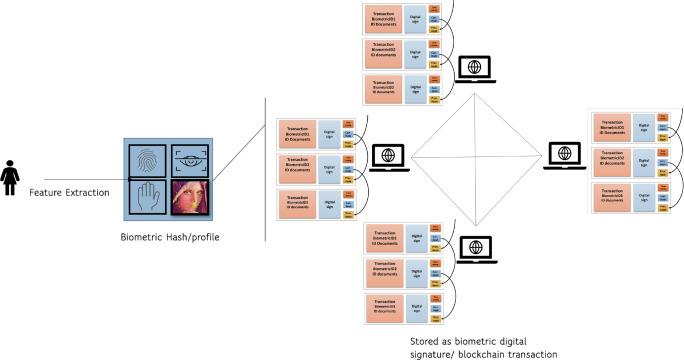
Blockchain is an immutable, distributed ledger that enables secure, transparent, and tamper-proof record-keeping. When applied to qualification verification, blockchain-based systems store credential data as verifiable records accessible by permissioned parties.
Here’s how a blockchain credentialing solution typically works:
- Credential Issuance: Accredited institutions (universities, certification bodies) issue digital certificates recorded on the blockchain.
- Verification: employers or agencies can verify credentials instantly via a unique hash (digital fingerprint) with no need to contact the issuer.
- Ownership & Control: Individuals own a private digital wallet storing their credentials, controlling access to their data.
- Permanent Records: Records are persistent, auditable, and cannot be retroactively altered, ensuring long-term trust.
Key Benefits of Using Blockchain for Qualification Verification
Implementing blockchain technology in qualification verification provides numerous advantages compared to legacy methods:
- Fraud Prevention: credentials on the blockchain are cryptographically signed, virtually eliminating forgery and credential fraud.
- Instant Verification: Stakeholders such as employers or admissions officers can confirm authenticity in seconds, expediting decisions.
- Data Privacy & Control: Credential holders have full ownership,choosing what information to share and with whom.
- Cost Reduction: Automation slashes operational costs for both issuers and verifiers.
- Global Standardization: Blockchain enables a digital, interoperable format for credentialing across borders.
- Long-term Accessibility: With decentralized storage, credentials remain accessible—even if issuing organizations cease to exist.
- Regulatory Compliance: Immutable audit trails help meet data protection and verification regulations globally.
Blockchain in Qualification Verification: Inspiring Case Studies
“Blockchain doesn’t just make verification easier—it transforms the entire experience for institutions and individuals alike.” — Dr. Lina Chen, Blockchain education Consortium
- MIT Digital Diplomas: In 2017, the Massachusetts Institute of Technology launched a blockchain-based digital diploma, empowering graduates to share tamper-proof credentials with employers worldwide.
- Europass & European Blockchain Services Infrastructure (EBSI): The European union has piloted blockchain credential wallets for students and workers, making cross-border academic and professional mobility seamless.
- India’s National Academic Depository (NAD): Leveraging blockchain to issue, store, and verify academic certificates, NAD cuts document fraud and streamlines processes for millions.
- learning Machine & Blockcerts: An open standard for blockchain-based academic credentials, used by universities and governments across the US, Canada, and Asia.
Best Practices for Implementing Blockchain Credential Verification
To maximize the potential of blockchain credential verification, organizations should follow these best practices:
- Define Stakeholder Roles: Involve issuers, holders, and verifiers early in the process to ensure seamless adoption and user experience.
- Adopt Open Standards: Leverage interoperable standards like W3C Verifiable Credentials to future-proof and enhance compatibility.
- Ensure Data Privacy & Security: Utilize permissioned blockchains or hybrid models to meet compliance requirements (e.g., GDPR, FERPA).
- User Training & Awareness: Educate users about managing digital wallets and the long-term importance of protecting private keys.
- Integration with Legacy Systems: Ensure a smooth transition by integrating blockchain with existing databases and HR or educational systems.
- Plan for Scalability: select blockchain platforms that support high transactions per second and large-scale credential issuance.
- Continuous Monitoring & Updates: Regularly test and update systems to address new threats and take advantage of technological advances.
Practical Tips for Institutions and Employers
Thinking of adopting blockchain-based qualification verification? Here’s how to get started:
- Start with a Pilot: Run a small-scale pilot with select credentials, gather feedback, and iterate.
- Collaborate with Tech Providers: Work with proven blockchain solutions offering support and compliance tooling.
- Engage Legal & Governance Teams: Ensure all regulatory, privacy, and data residency requirements are met from day one.
- Communicate Benefits: Clearly communicate advantages to students, staff, and hiring partners to drive adoption.
- Expand gradually: Roll out blockchain verification across more programs as trust and familiarity grow.
First-Hand Experience: voices from the Blockchain Frontier
“After our HR team adopted blockchain-based qualification verification, we reduced our onboarding time from 3 weeks to under 72 hours—with zero fake degrees slipping through.” — Sarah Gupta, Talent Lead, FinTech Solutions
Cryptographically secure verification isn’t just hype; organizations of all kinds—from universities and health care systems to tech firms—report notable time and cost savings with blockchain-enabled credential checks. Students and professionals, too, appreciate the confidence and mobility these digital credentials provide.
Conclusion: The Future of qualification Verification Is Here
The need for trusted, swift, and fraud-resistant credential checks is greater than ever—and blockchain technology delivers precisely that. By adopting blockchain-based qualification verification, educational institutions, employers, and credential holders gain:
- Instant, tamper-proof verification
- Reduced costs and administrative workloads
- Enhanced data privacy and user control
- Confidence in global credential mobility
As this technology matures, best practices and open standards will ensure that blockchain credential verification becomes the gold standard for trust in qualifications worldwide.There’s never been a better time to explore, adopt, and lead the way in this digital transformation.
ready to future-proof your verification process? The blockchain revolution in qualification verification is just getting started.