
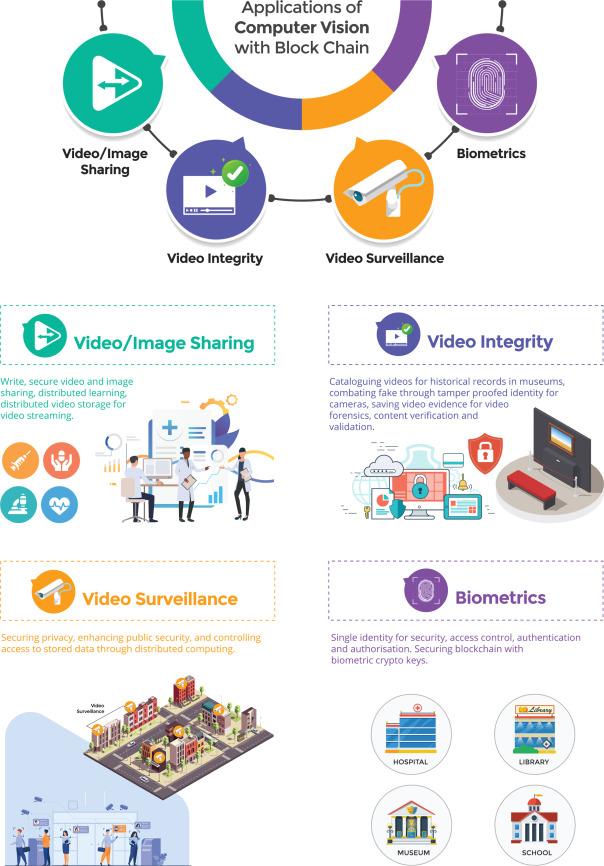
How Blockchain is Revolutionizing Qualification Verification: Secure & Efficient Solutions
In today’s fast-paced digital world, the ways we verify educational and professional qualifications are rapidly evolving.Conventional methods often suffer from inefficiency, vulnerability to fraud, and cumbersome processes. enter blockchain technology—a revolutionary force introducing secure and efficient solutions in qualification verification. In this article, we’ll explore how blockchain is transforming credential authentication, its considerable benefits, real-world implementations, and practical tips for organizations seeking to leverage this cutting-edge technology.
Understanding blockchain technology in Qualification Verification
Blockchain is a decentralized digital ledger that records transactions across multiple computers in a way that the records cannot be changed retroactively.While it is widely known as the technology behind cryptocurrencies, its applications extend far beyond. In qualification verification, blockchain ensures legitimacy and clarity in credential validation, providing an immutable record accessible by authorized parties.
- Decentralization: Removes the need for a central authority, reducing single points of failure.
- Immutability: Credentials, once recorded on a blockchain, cannot be altered or tampered with.
- Transparency: All parties involved can trust the authenticity and validity of qualifications.
- Accessibility: Credentials can be accessed instantly from anywhere with internet connectivity.
Why Traditional Qualification Verification Falls Short
Traditional systems for verifying academic degrees, professional certifications, and employment histories often involve manual processes. These are not only time-consuming but susceptible to various pitfalls:
- Forgery & Fraud: Fake degrees and fraudulent documents are increasingly refined and hard to detect.
- Delays: Manual checks by institutions can take weeks or even months.
- Data Privacy Risks: Centralized databases are prone to hacking and data breaches.
- Interoperability Issues: Different systems rarely communicate seamlessly,causing inconsistencies.
These issues underline the urgent need for a more secure,efficient,and interoperable solution—something blockchain-based qualification verification offers.
How Blockchain is Transforming Qualification Verification
Blockchain-based qualification verification platforms allow educational institutions, employers, and certification bodies to issue tamper-proof digital credentials. Individuals can share their verifiable credentials with potential employers, licensing agencies, or other institutions with full control over their data privacy.
key Features of blockchain Credential Verification:
- Digital Certificates: Academic and professional credentials are issued as digital assets on the blockchain.
- Self-sovereign Identity: Individuals maintain ownership of their digital identities and credentials.
- Real-time Verification: third parties can instantly validate credentials without relying on intermediaries.
- Smart Contracts: Automated verification rules facilitate flexible, condition-based credential checks.
- Data Security: End-to-end encryption and decentralized storage protect sensitive data.
By leveraging these features, blockchain brings unparalleled security, privacy, and efficiency to qualification verification processes.
Benefits of Blockchain-Based Qualification Verification
- Eliminates Credential Fraud: Immutable records make it virtually impossible to falsify qualifications.
- Faster Onboarding: Instant, automated verification accelerates recruitment and admissions processes.
- Global Accessibility: Credentials are recognized and verifiable across borders, supporting international mobility.
- Cost Efficiency: Automation reduces administrative costs associated with manual verifications.
- Enhanced data Privacy: Individuals control who can view their credentials, in compliance with data protection laws like GDPR.
Real-World Case Studies: Blockchain in action
1. MIT’s Digital Diplomas
The Massachusetts Institute of Technology (MIT) has been a pioneer in issuing blockchain-based digital diplomas. With their Blockcerts project, graduates recieve secure, easily shareable digital credentials that employers and other institutions can instantly verify.
2. Sony Global Education and IBM
Sony Global Education,in collaboration with IBM,developed a blockchain platform to securely share academic records. This solution allows students, educators, and employers to access trusted academic histories worldwide.
3. The University of Bahrain
The University of Bahrain became the frist in the Middle East to issue degrees on the blockchain. By doing so, the university combats certificate forgery and streamlines the verification process for students and employers.
Tips for implementing Blockchain Qualification Verification
- Evaluate Solution Providers: Choose reputable blockchain platforms specializing in education and credentialing, such as Blockcerts, Learning Machine, or Digital credentials Consortium.
- Engage Stakeholders: Collaborate with academic institutions, employers, and governmental bodies to ensure broad acceptance.
- Data Privacy Compliance: Ensure the platform meets local and international data protection standards.
- User Training: Provide training for staff and students on using and managing digital credentials.
- Phased Implementation: start with pilot programs before scaling up to full institutional adoption.
Challenges and Future Directions in Blockchain Credentialing
While blockchain technology brings immense promise to qualification verification, several challenges remain:
- Scalability: As the number of users grows, ensuring blockchain systems can handle high volumes is crucial.
- Standardization: developing common standards for digital credentials can enhance interoperability globally.
- Awareness & Adoption: Both institutions and employers need to recognize and accept blockchain-based credentials.
Nonetheless, ongoing innovation suggests these hurdles will be progressively overcome, paving the way for an era where educational and professional qualifications are instantly, securely verifiable worldwide.
Conclusion: Embracing Blockchain for Secure & Efficient Qualification Verification
The rise of blockchain-powered qualification verification signals a new standard in credential security, efficiency, and global interoperability. As academic institutions, employers, and individuals seek to navigate the evolving digital landscape, blockchain offers trusted solutions to age-old problems. By adopting secure, decentralized verification systems, organizations can combat fraud, speed up processes, and empower individuals with ownership over their educational and professional achievements.
Whether you’re a university administrator, HR professional, or future job seeker, staying informed and embracing these innovations will ensure you’re at the forefront of a more reliable and efficient verification ecosystem.