
How Blockchain Is Revolutionizing Qualification Verification: The Future of Secure Credentialing
Introduction: The Growing Importance of Secure Qualification Verification
In an increasingly digital world, the verification of academic, professional, and personal qualifications is more important than ever. recruiters, educational institutions, governments, and individuals face mounting challenges with credential fraud, data breaches, and inefficient verification processes. Enter blockchain technology—a game-changer poised to bring security,openness,and efficiency to the field of qualification verification. In this article, we’ll dive deep into how blockchain is revolutionizing credential verification, why it’s the future of secure credentialing, and what this means for institutions and individuals alike.
Understanding Blockchain in Credentialing
At its core, blockchain is a decentralized, tamper-proof digital ledger that securely records transactions and information across multiple systems. when applied to qualification verification, blockchain ensures that records are traceable, clear, and most importantly—immutable.
- Decentralization: No single entity controls the data, reducing the risk of manipulation.
- Immutability: Onc data is added, it cannot be altered or deleted, ensuring authenticity.
- Transparency: All transactions or credentialing activities can be traced with full visibility, while respecting individual privacy.
why Credential verification Needs a Blockchain Revolution
The traditional methods of verifying qualifications—manual checks, paper certificates, and isolated databases—are no longer fit for purpose. Hear are some of the pressing challenges:
- Credential Fraud: Fake diplomas and certificates undermining trust and reputation of organizations.
- Time-Consuming Processes: Manual verification can take weeks and is labor-intensive.
- Security Concerns: Centralized databases prone to hacks and data breaches.
- Lack of Interoperability: Credentials are frequently enough siloed,making global verification difficult.
Blockchain offers a compelling solution to these issues, enabling flawless, secure, and instantaneous verification of qualifications.
How Blockchain Is Revolutionizing Qualification Verification
1. Issuance and Storage of Digital Credentials
Educational institutions and certification bodies can issue tamper-proof, digital credentials directly onto a blockchain. Recipients receive a unique, verifiable record that is impossible to forge or alter.
2. Real-Time Credential Verification
Using blockchain, employers and institutions can instantly verify the authenticity of qualifications. with just a click, they can confirm details without needing to contact the issuing body.
3. Enhanced Security and Privacy
Blockchain’s cryptographic protocols ensure that personal and qualification data is highly secure, while still giving individuals control over who can access their credentials.
4. Global Accessibility and Interoperability
Blockchain-verified credentials can be recognized and trusted worldwide, erasing geographical boundaries and fostering greater mobility for students and professionals.
The Benefits of Blockchain-Based Qualification Verification
- trust and Transparency: All parties—including candidates, employers, and institutions—can trust that credentials are valid and unaltered.
- Cost Efficiency: Automation and streamlining drastically reduce administrative costs and manual labor.
- Instantaneous Results: Real-time verification means faster hiring and admissions processes.
- Reduced Fraud: Immutable records make it nearly impossible to forge or alter credentials.
- Ownership and Control: Individuals have direct control over their digital credentials and can easily share them as needed.
- Environmentally Friendly: Elimination of paper-based credentials contributes to sustainability goals.
Real-Life Case Studies: Blockchain in Credential Verification
Case Study 1: MIT Digital Diplomas
The Massachusetts Institute of Technology (MIT) has led the way by issuing blockchain-based digital diplomas to its graduates. These digital records are secure, easily shareable, and instantly verifiable by employers around the globe. The initiative has significantly reduced the administrative burden and built greater trust in MIT’s qualifications.
Case Study 2: National Level Implementation in Malta
The government of Malta, known as the “Blockchain Island,” has implemented blockchain credentialing for all state-issued academic qualifications. This nationwide approach ensures global trust in Maltese credentials and has set a benchmark for other countries to follow.
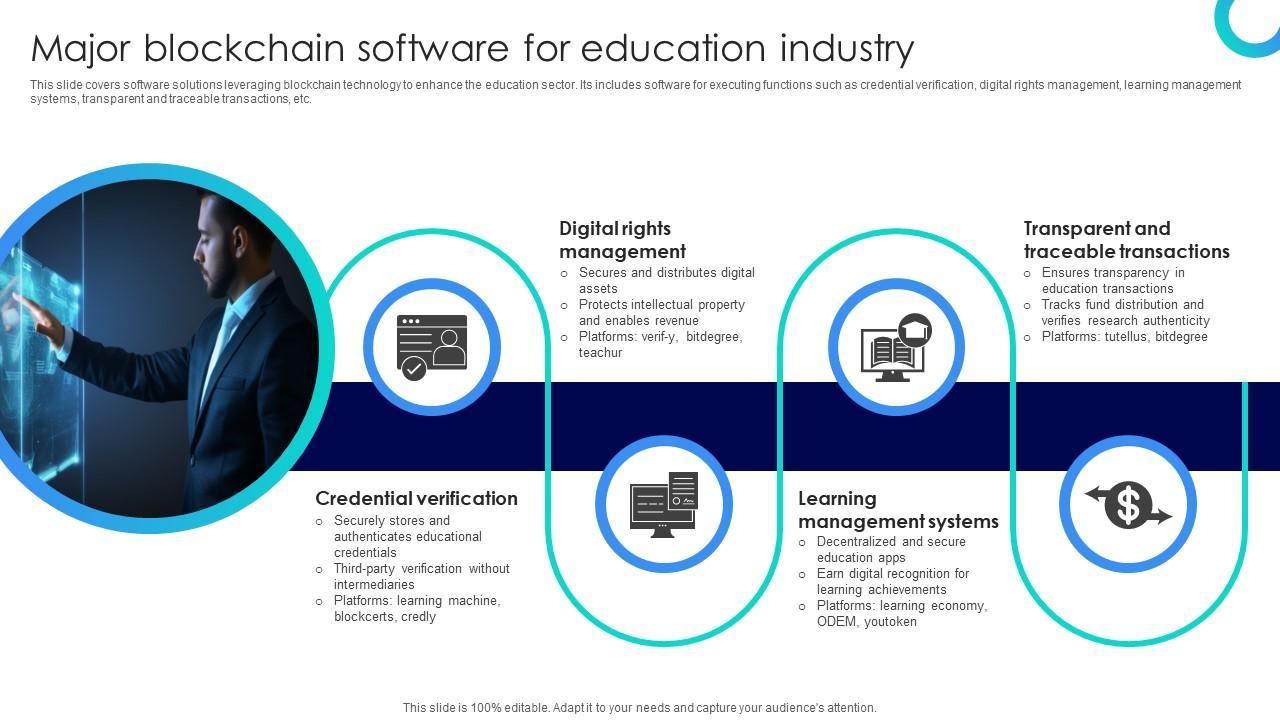
Case Study 3: Accredible and Learning Machine
Accredible, in collaboration with Learning Machine, allows educational and certification bodies worldwide to issue tamper-proof, blockchain-backed digital certificates—streamlining the verification process for millions of learners and organizations.
First-Hand Experience: Testimonials from Blockchain Credential Users
“After my university switched to blockchain-based diplomas, I was able to secure a job overseas without any hold-ups. My employer could verify my qualification instantly, and I didn’t need to send notarized copies.”
— Sarah L., Graduate
“We’ve reduced credential fraud to almost zero after implementing blockchain verification. Our HR processes are faster, and we have peace of mind.”
— David M., HR Director at a leading tech firm
Practical Tips: Implementing Blockchain Credential Verification
- Choose the Right Platform: Research and select a blockchain credentialing solution that aligns with your institutional goals and integrates with existing systems.
- Educate Stakeholders: Host workshops to familiarize staff and students with new processes and the security benefits of blockchain.
- Prioritize Privacy: Ensure personal data is encrypted and only accessible by authorized individuals.
- Stay Updated: Blockchain is evolving rapidly. Stay engaged with the community and adopt new security standards as they emerge.
- Advocate for Standardization: Work with global partners to promote interoperable credentialing standards.
the Future of Secure Credentialing with Blockchain
The future of qualification verification is digital, decentralized, and secure. As more organizations and institutions adopt blockchain credentialing, we can look forward to a world where:
- Credential fraud becomes a thing of the past.
- verifications take seconds, not weeks.
- Global talent mobility is simplified and streamlined.
- Individuals are empowered to own and manage their lifelong learning records.
The intersection of blockchain and qualification verification will continue to foster a transparent, trustworthy, and efficient ecosystem for all stakeholders.
Conclusion: Embrace the Blockchain Revolution in Credential Verification
As digital change accelerates across education and the workforce, blockchain-based credentialing is fast becoming a vital pillar of secure, efficient qualification verification.Whether you’re an educational leader, recruiter, policymaker, or student, now is the time to embrace blockchain and stay ahead of the curve.
Interested in implementing blockchain credentialing or want to learn more? Reach out to blockchain solution providers or join global forums to be part of the credentialing revolution today.