
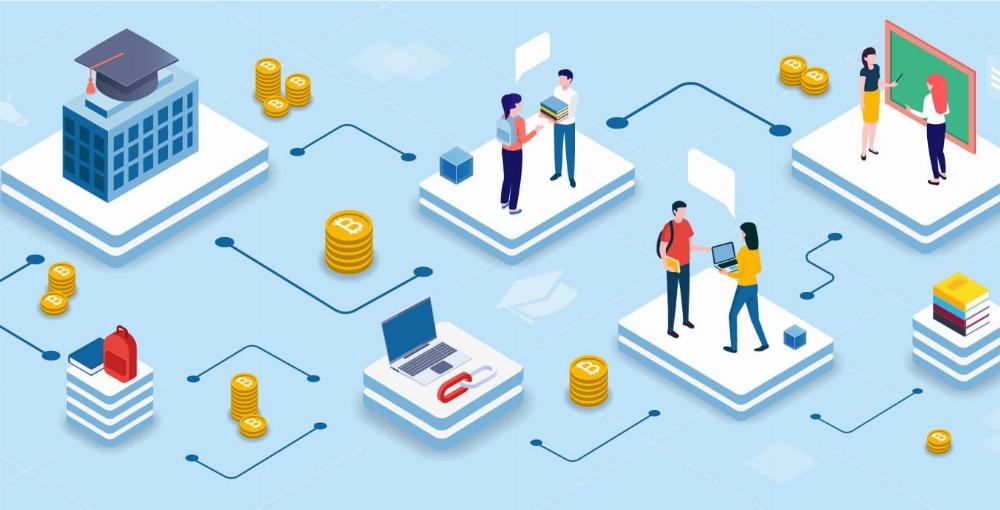
How Blockchain Is Transforming higher Education: Case Studies and insights
Blockchain technology is making remarkable strides in diverse sectors, but its impact on higher education deserves special attention. From secure credentialing to obvious record keeping and innovative learning ecosystems, blockchain is redefining how universities, colleges, and students interact. In this article,we delve into how blockchain is transforming higher education,share real-world case studies,and provide actionable insights for institutions considering blockchain adoption.
What Is Blockchain and why Does It Matter in Higher Education?
Blockchain is a decentralized ledger that enables secure, tamper-proof, and transparent digital transactions. In the context of higher education, blockchain’s robust architecture addresses pervasive challenges such as credential verification, record management, and trust between institutions and learners.
- Security: Immutable records severely reduce fraud.
- Transparency: Stakeholders can independently verify credentials.
- Efficiency: Automates administrative processes, saving valuable resources.
Key Benefits of Blockchain in Higher Education
The integration of blockchain in higher education offers compelling advantages. Here’s how blockchain technology is reshaping academia:
1.Verifiable and Secure Digital Credentials
Customary paper-based diplomas and certificates are prone to loss,forgery,or lengthy manual verification. Blockchain-based credentials are cryptographically signed, easily shareable, and instantly verifiable by employers or other institutions.
- Reduced Credential Fraud: Authenticity can be verified directly on the blockchain.
- Streamlined job Applications: Graduates can share digital diplomas via secure links.
- Global Recognition: Credentials are trusted across borders, boosting mobility.
2. Efficient Academic Record Management
Managing student records, transcripts, and course histories is resource-intensive. blockchain enables automated, decentralized record storage, facilitating seamless transitions and credit transfers.
- Secure life-long learning records for students
- Automated transcript generation for international education
- Reduced administrative workload for institutions
3. Enhanced Transparency and Collaboration
Blockchain’s distributed nature facilitates collaborative research,joint degree programs,and multi-institutional initiatives. Data is transparent and accessible to authorized parties,fostering trust and innovation.
4. New Models for Learning and Micro-Credentials
With blockchain,institutions can issue micro-credentials for short courses,online certifications,and skill-based training. These digital badges empower lifelong learners to showcase competencies and pursue personalized education paths.
Blockchain in Higher Education: Real-World Case Studies
Let’s explore universities and initiatives leading the charge in blockchain adoption:
Massachusetts Institute of Technology (MIT): Blockcerts Initiative
MIT pioneered blockchain-based diplomas for its graduates via the “Blockcerts” platform. Graduates receive cryptographically signed digital certificates, giving them ownership of their credentials and enabling instant, secure sharing with employers.
- elimination of third-party verification delays
- Enhanced trust for global employers
- empowered students as credential owners
University of Nicosia: Blockchain for Degrees
Located in Cyprus, the University of Nicosia was among the frist to utilize blockchain for academic credentialing. The institution issues blockchain-verified diplomas for graduates, supporting its robust blockchain curriculum and research.
- First-ever master’s in blockchain technology globally
- increased international student trust
- Active use of blockchain for administrative records
Learning Machine: Partnership with Government & Universities
Learning Machine, the technology provider behind Blockcerts, has helped several universities and government entities adopt blockchain-based credentialing. Their system is now used by educational institutions and ministries in Malta, Oman, and more.
- Nationwide credentialing in Malta
- Cross-border verification and portability
- Standardization across diverse education systems
Indian Universities: Blockchain in Transcript Verification
Several Indian universities have implemented blockchain for storing and verifying student transcripts and diplomas, combating widespread forgery and reducing verification time for employers and international institutions.
- Secure storage of millions of transcripts
- Faster employment verification processes
- Improved transparency and trust in public education
First-Hand Experiences: Voices from Academia
Educators, administrators, and graduates from pioneering institutions share their experiences:
Dr.Sarah Jensen, Registrar at MIT: “Blockchain has not only streamlined our diploma issuance but also dramatically increased employer trust. Our graduates are now global citizens, competing on a level playing field.”
Alexis Papadopoulos, Graduate, University of Nicosia: “With blockchain credentials, I could promptly share my certified degree with potential employers abroad. It shortened my application process and eliminated doubts about my qualifications.”
Learning Machine, Case Study Report: “By implementing blockchain-based verification, institutions reported up to 80% reduction in administrative loads and enhanced compliance with international standards.”
Considerations and Practical Tips for Blockchain Adoption
For those considering blockchain in higher education, here are strategic tips to ensure smooth implementation:
- Align with institutional Goals: Define clear objectives for blockchain integration, such as improving record management or enhancing student mobility.
- Choose the Right Technology: Assess platforms like Blockcerts, Learning Machine, or Ethereum-based solutions according to your institution’s needs.
- Engage Stakeholders: Involve administrators, IT teams, faculty, and students early in the planning process.
- Focus on Security and Compliance: Ensure robust encryption,privacy controls,and compliance with regulations (e.g.,GDPR).
- Pilot and Scale Gradually: Start with small projects (e.g., diplomas or transcripts) before expanding across departments.
- Educate and Train: Offer workshops and resources to help staff and students adapt to blockchain systems.
Challenges and Future Outlook
While blockchain’s potential is immense, adoption in higher education faces hurdles:
- Integration with legacy systems and databases
- Data privacy concerns and regulatory compliance
- Upfront costs and technical training
- Standardization of credentials across platforms
Nonetheless, as blockchain matures and standards evolve, these challenges are being addressed through pilot programs, international partnerships, and interoperable solutions. The future may see blockchain as a foundational technology for student mobility, personalized education, and academic collaboration worldwide.
Conclusion: Blockchain’s Lasting Impact on Higher Education
Blockchain is transforming higher education by enhancing trust, efficiency, and transparency in academic processes. From secure digital diplomas to collaborative research and decentralized learning records, the case studies and experiences above highlight how this technology is improving outcomes for students and educators globally.
as more universities adopt blockchain, expect greater interoperability, faster credential verification, and unprecedented academic mobility. For institutions, now is the ideal time to assess blockchain’s strategic fit, explore pilot projects, and join the vanguard shaping the future of learning.