
How Blockchain Is Transforming Higher Education: Case Studies and key Insights
Blockchain technology is rapidly gaining traction across industries,and higher education is no exception. universities and colleges worldwide are now leveraging blockchain to streamline processes, enhance data security, and transform the way academic credentials are managed. In this comprehensive article, we’ll explore how blockchain is transforming higher education, analyse real case studies, uncover key insights, and share practical tips for educational institutions considering blockchain adoption.
Understanding Blockchain in Higher Education
Blockchain’s decentralized ledger allows for secure, obvious, and tamper-proof record-keeping. in the context of higher education, this translates into verified credentials, efficient student data management, and improved collaboration between academic institutions.
- Credentials Verification: Degrees, diplomas, and certificates can be securely stored and easily verified online.
- Student Data Privacy: Personal and academic information is protected through cryptographic security.
- International Collaboration: Secure exchange of records across borders allows smoother student transfers and global recognition of qualifications.
Key Benefits of Blockchain Technology in Higher Education
Blockchain adoption brings a suite of advantages for educators, students, and administrators. Let’s break down the major benefits:
- Immutable Academic Records: Student transcripts,diplomas,and certificates are stored in a way that cannot be falsified or altered.
- Enhanced Security: Sensitive information is protected from unauthorized access and data breaches.
- Cost and Time efficiency: Automated systems reduce paperwork and administrative overhead.
- Credential Accessibility: Graduates can instantly share their certified credentials with employers, eliminating delays.
- Global Recognition: Blockchain enables secure international recognition and transfer of credits and degrees.
- Reduced Fraud: The clarity of blockchain minimizes diploma and certificate fraud.
Case Studies: Blockchain Impact on Universities & Colleges
1. MIT: Digital Diplomas Powered by Blockchain
The Massachusetts Institute of Technology (MIT) pioneered the use of blockchain in higher education by offering graduates digital diplomas using the Blockcerts platform. This initiative allows alumni to access, share, and verify their MIT credentials online within seconds. The program has been widely praised for its security, efficiency, and ability to prevent diploma fraud.
- Secure digital diplomas issued via blockchain.
- Instant verification by employers and academic institutions.
- Reduced administrative burden for MIT’s registrar office.
2. University of Bahrain: Blockchain-Based certificates
The University of Bahrain adopted blockchain to issue diplomas and academic certificates. By partnering with Learning Machine, Bahrain’s move established the Middle East as a leader in academic blockchain integration. Students can now easily share verified, tamper-resistant certificates with employers worldwide.
- Global student mobility facilitated.
- Rapid background checks for employers.
- Guaranteed authenticity for all certificates.
3. woolf University: Blockchain for Accreditation and Credit Transfer
woolf University, a blockchain-powered institution, is reimagining how higher education works by placing student records, accreditation processes, and course credits directly onto the blockchain ledger. This not only enhances transparency but simplifies the transfer and recognition of academic credits between domestic and international universities.
- Automated course accreditation.
- Efficient credit transfer for students globally.
- Transparent and secure record-keeping for the university.
Key Insights: How Blockchain Is Shaping the Future of Higher Education
Triumphant case studies reveal that blockchain’s impact stretches beyond mere credential verification. Educational leaders and technologists identify several transformative trends:
- Decentralized Learning Portfolios: students will be able to own comprehensive, lifelong learning records.
- Micro-Credentials and Badges: Institutions can issue digital badges for professional skills, short courses, or MOOCs, all authenticated via blockchain.
- Automated Governance: Smart contracts can streamline everything from registration to grading and degree awarding.
- Open Collaboration Platforms: Secure record sharing across universities fosters interdisciplinary research and global partnerships.
- Inclusive education: Docu-signing and verification online enable easier access for students without physical or financial access to campuses.
First-Hand Experiences: Voices from Academia
“By issuing digital diplomas on blockchain, we’ve empowered our graduates with lifelong proof of achievement, accessible anywhere, anytime.”
— Registrar, MIT
“our blockchain certificate initiative has placed our students and alumni at the forefront of a global job market, with seamless and secure verification.”
— President, University of Bahrain
Educators consistently highlight faster verification times, reduced paperwork, and improved student trust as core benefits of blockchain integration in higher education.
Practical Tips for Universities Considering Blockchain Adoption
Implementing blockchain in higher education requires strategic planning. Here are essential steps and tips:
- Conduct a Needs Assessment: Identify processes — credentialing, registration, grading — where blockchain adds value.
- Partner with Technology Platforms: Collaborate with established blockchain providers like Blockcerts, Learning Machine, or IBM Blockchain.
- Ensure Regulatory Compliance: Stay informed about local and international laws related to digital records and student data privacy.
- Pilot and Scale: Start with a small program or cohort before rolling out blockchain across all systems.
- Train Staff and Faculty: Offer workshops to ensure smooth adoption and address questions about security and usability.
- Engage Stakeholders: Include students, alumni, and employers to maximize the utility and reach of blockchain-based credentials.
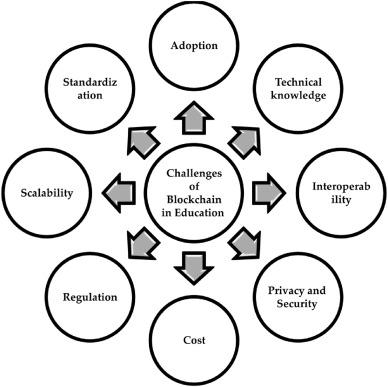
Challenges and Considerations
While blockchain promises remarkable benefits,institutions should be aware of potential hurdles:
- Technical Integration: Legacy systems may require updates or replacement to interact with blockchain platforms.
- Legal and Ethical Issues: Countries differ in laws regarding digital credentials and data ownership.
- Initial Costs: Implementation may require upfront investment in software, training, and systems.
- Diverse Stakeholder buy-In: Success depends on widespread acceptance by faculty,students,and employers.
Proper due diligence and phased implementation can mitigate many of these challenges,ensuring a smoother transition and long-term success.
Future Trends: The Road Ahead for Blockchain in Higher Education
- AI and Blockchain Integration: Combining AI-powered analytics with blockchain records to personalize learning paths.
- Global Academic Networks: cross-border, blockchain-powered platforms for student mobility and research collaboration.
- Credential Wallets: Graduates will carry digital “wallets” storing lifetime achievements, transferable between institutions and employers.
- Decentralized Autonomous Universities (DAUs): New models of governance and learning, entirely powered by blockchain and smart contracts.
Conclusion: Embracing Blockchain for a New Era in Higher Education
Blockchain technology is fundamentally reshaping how higher education institutions manage academic records, credentials, and collaborative research. From secure, instant verification of degrees to the establishment of global academic communities, blockchain’s decentralized approach is driving transparency, efficiency, and trust.
As demonstrated by leading universities worldwide, the path to blockchain adoption brings both challenges and opportunities. By learning from successful case studies and following best practices, educational institutions can position themselves at the forefront of technological innovation — delivering greater value to students, professors, and the broader academic ecosystem.
The future of higher education is digital,decentralized,and secure.Blockchain in higher education isn’t just a trend — it’s an evolutionary leap toward more connected, trusted, and inclusive learning experiences.