
How Blockchain Is Transforming qualification Verification: A Secure Solution for Credentials
In our rapidly evolving digital landscape, verifying academic and professional qualifications has become increasingly challenging. Fraudulent credentials and inefficient validation processes put organizations, educational institutions, and job seekers at risk. Blockchain technology has emerged as a game-changing solution, offering an innovative, secure, and decentralized path to qualification verification. In this article, we’ll explore how blockchain is transforming the verification of credentials, the benefits this brings, real-world case studies, and practical tips for organizations seeking to adopt this technology.
What Is Blockchain-Based Qualification Verification?
At its core, blockchain is a decentralized, tamper-resistant digital ledger that records facts securely across a distributed network. When applied to credential verification, blockchain enables educational institutions and organizations to issue, store, and verify certificates, diplomas, badges, and other qualifications in a transparent yet protected manner.
- Decentralized Storage: Credentials are distributed across a network, eliminating single points of failure.
- Immutable Records: Once entered, qualification data cannot be altered or deleted, preventing forgery.
- Real-Time Verification: Anyone—employers, recruiters, or institutions—can instantly verify the authenticity of credentials.
- Privacy Protection: Holders have control over who accesses their credentials,ensuring personal data privacy.
The Limitations of Traditional Credential Verification
For decades, verifying academic and professional qualifications has involved manual processes, phone calls, emails, and paper documentation. This approach presents several weaknesses:
- Time-Consuming: Verification can take days or weeks, slowing recruitment and admissions.
- Costly: Administrative overheads and third-party background checks add financial burden.
- Prone to Errors: Manual entry and paper records increase the likelihood of mistakes or lost credentials.
- vulnerable to Fraud: counterfeit degrees and fabricated work history are common concerns worldwide.
Blockchain addresses all these issues by digitizing and automating the verification process, making it faster, cheaper, and more reliable.
How Blockchain Works for Credential Verification
Here’s a simplified overview of how blockchain revolutionizes the way we verify qualifications:
- Issuance: Institutions create a digital certificate for every graduate or recipient and publish it to a blockchain network.
- Ownership: The certificate is cryptographically signed,and only the recipient (via digital wallet) controls access to their credentials.
- Verification: Employers or third parties use blockchain explorers or dedicated platforms to instantly check the validity of any submitted credential.
- Lifetime Security: Credentials can’t be altered, backdated, or revoked without leaving a public record.
Various protocols, such as Open Badges, Blockcerts, and Ethereum-based solutions, enable secure digital credentialing tailored for education and workforce validation.
Key Benefits of Blockchain in Qualification Verification
Adopting blockchain for credential verification offers numerous advantages to all stakeholders:
- Enhanced Security: Protects against certificate forgery, unauthorized changes, and data breaches.
- Instant Accessibility: Real-time, global verification—no more waiting days for paperwork.
- Cost Efficiency: Eliminates expensive manual processes or intermediary fees.
- improved Candidate Trust: Candidates can share verifiable, tamper-proof achievement records with confidence.
- Greater Transparency: Stakeholders follow transparent protocols, building trust in academic and professional systems.
- Scalability: Easily handles millions of credentials, ideal for universities, large enterprises, or licensing bodies.
Real-World Case Studies: Blockchain Credentialing in Action
MIT Digital Diplomas
In 2017, MIT pioneered the issuance of blockchain-based digital diplomas using the Blockcerts platform. Graduates received both paper and tamper-proof digital certificates, instantly verifiable by employers globally.
- Eliminated fake diploma risks
- Reduced verification time to seconds
- Increased confidence among recruiters
National Blockchain Qualification Platform: Malaysia
Malaysia’s Ministry of Education adopted blockchain for tracking and verifying higher education degrees, tackling rampant ghost diploma mills and credential fraud.
- All degrees issued by national universities are verifiable on a public blockchain.
- Streamlined cross-border hiring and admissions processes.
IBM and Learning Credential Network
A consortium including IBM, Salesforce, and major universities established the Learning Credential Network, a blockchain ecosystem for skills and training certificates. It directly integrates with enterprise HR systems, making qualification verification frictionless for global companies.
First-Hand Experience: How It Empowers Individuals
One of the most profound impacts of blockchain credentialing is the power it gives back to individuals. Digital wallets for credentials mean graduates or professionals have full ownership—they no longer need to repeatedly request transcripts or rely on third parties.
“With blockchain-verified certificates, I can share a secure digital diploma with any employer, anywhere in the world.It’s instant, trustworthy, and I’m never worried about losing my records.”
– Actual Blockchain Credential Holder
For international students and migrant workers, blockchain eliminates cross-border credentialing hurdles, empowering global job mobility.
Practical Tips for Organizations Adopting Blockchain for Credentials
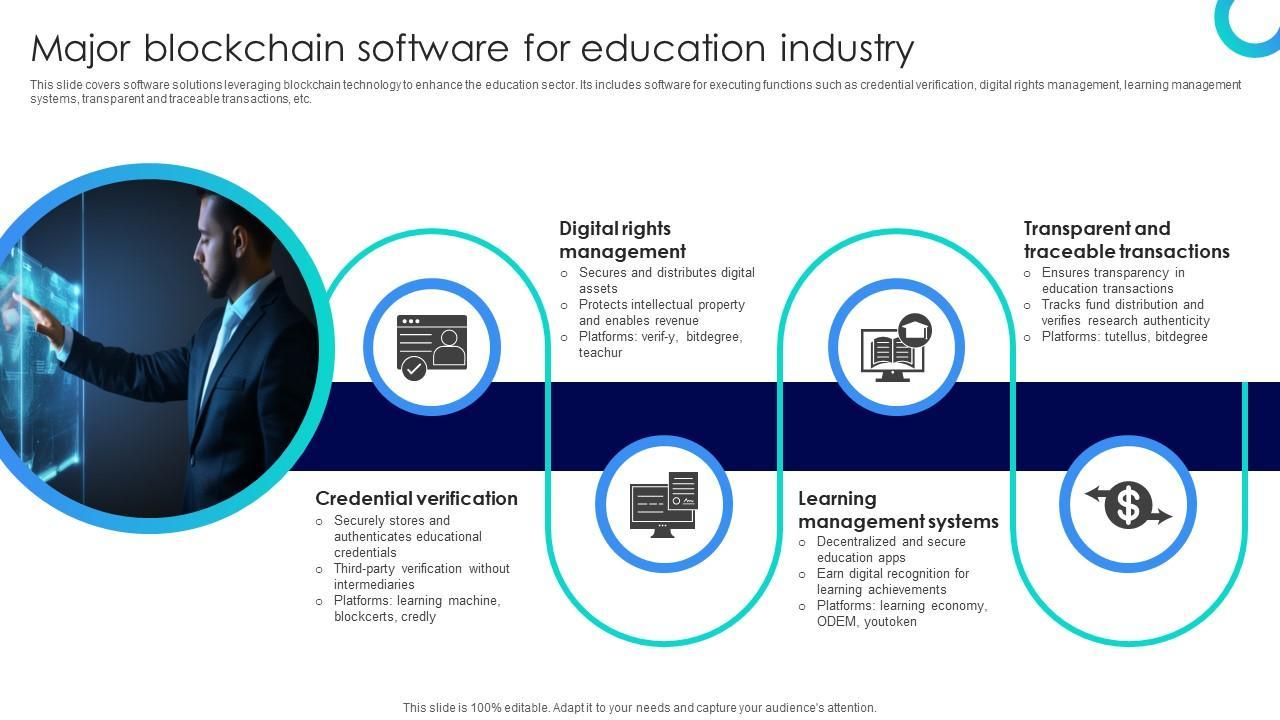
- Choose Established Platforms: Select reputable blockchain credential providers (e.g., Blockcerts, Learning Machine, Accredible) with proven security and scalability.
- Integrate Seamlessly: Ensure the solution integrates with your student information systems (SIS) or HR databases.
- Prioritize Privacy: Use platforms supporting GDPR and global privacy laws, with user consent built in.
- Educate Users: Train staff and students on issuing, sharing, and verifying digital certificates to maximize adoption.
- pilot and Scale: Start with a pilot project (e.g., a specific qualification) before a full-scale rollout.
Future Trends in Blockchain-Based Credential Verification
The next decade promises even deeper integration of blockchain technology and decentralized identity systems into education and employment. Expect to see:
- Global interoperable standards for credentials
- Smart contracts for automatic recognition of prior learning or skills
- Integration with AI to analyze verified credentials for matching candidates to jobs
- Micro-credentialing and lifelong learning badges, recorded transparently
As more educational institutions and corporations join this movement, fraudulent credentials and inaccessible records may soon be relics of the past.
Conclusion: Embracing a More Trustworthy Future for Credentials
Blockchain is transforming qualification verification—delivering secure, instant, and tamper-proof credentials for individuals, organizations, and educational institutions. By embracing blockchain-based credentialing platforms,we’re building an ecosystem of trust,transparency,and efficiency that truly empowers both talent and the organizations that depend on verified skills and education.
As digital transformation accelerates, adopting blockchain for credentials is not just a trend—it’s an essential upgrade to the very foundation of global education and employment. It’s time for universities, employers, and policymakers to place their trust in this secure solution, ensuring the integrity of qualifications for generations to come.