
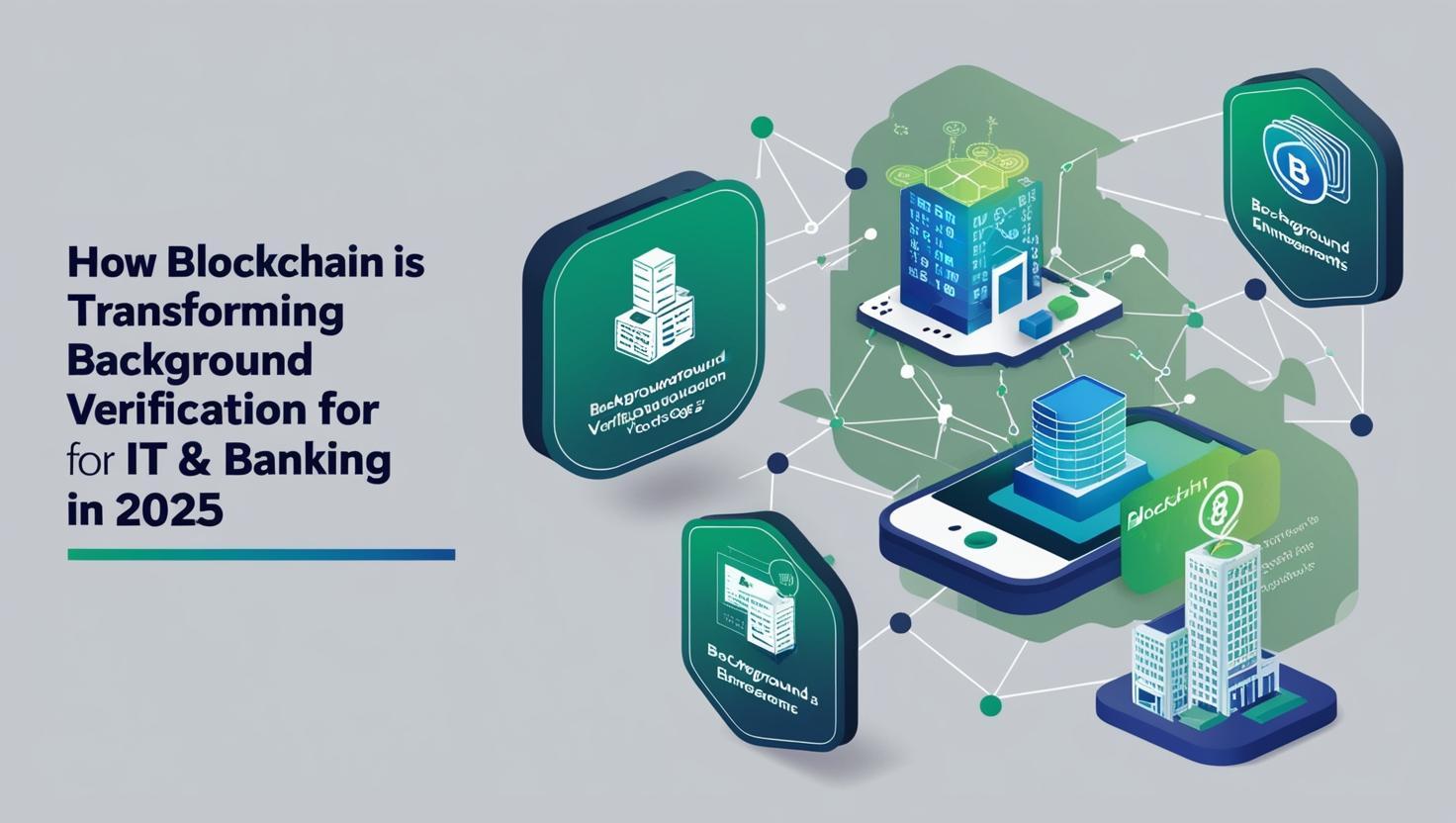
How Blockchain Is Transforming Qualification Verification: Benefits and Future Trends
Qualification verification has long been a cornerstone of educational and professional advancement. Whether it’s verifying a university degree or ensuring the legitimacy of professional certifications,organizations and individuals rely on accurate credentialing to unlock new opportunities. Though, traditional methods of qualification verification are frequently enough slow, prone to fraud, and burdened by manual processes.
Enter blockchain technology—a decentralized, secure platform reshaping industries worldwide. In this extensive guide,we explore how blockchain is transforming qualification verification,delve into its numerous benefits,and examine emerging trends that are setting the stage for the future of digital credential management.
Understanding Blockchain Technology and Qualification Verification
At its core, blockchain is a distributed digital ledger that records transactions across a network of computers. This technology is renowned for its security, transparency, and immutability—qualities that make it ideal for handling sensitive information such as academic transcripts, certifications, and professional licenses.
- decentralization: No single point of failure—records are maintained across the network.
- Immutability: Once data is recorded, it cannot be altered or deleted.
- Transparency: Every change is publicly logged, ensuring auditability.
Why Traditional Verification Methods Fall Short
Conventional methods of qualification verification typically involve physical documentation, manual checks, and centralized databases. These processes can be inefficient and vulnerable to:
- Credential fraud
- Human error
- Data silos and loss
- Cumbersome international verification
Blockchain addresses these challenges by automating and securing verification thru cryptographic techniques.
Top Benefits of Blockchain-Based Qualification Verification
1. Enhanced security and Reduced Fraud
one of the standout advantages of blockchain verification is its ability to virtually eliminate credential forgery. Each qualification, whether a degree, license, or certificate, can be issued as a digital credential anchored to the blockchain. These credentials are cryptographically signed and instantly verifiable.
- Real-time verification prevents the use of counterfeit documents.
- Private keys guarantee the authenticity of both issuer and recipient.
2.Streamlined Processes and Cost Reduction
Blockchain automates and simplifies the qualification verification process, reducing administrative overheads and expediting hiring, admissions, or regulatory approvals. Employers and institutions can verify credentials instantly—no phone calls, emails, or paper chasing required.
- Automated cross-checking of data between interested parties
- Lower costs for verification service providers
- Improved onboarding speed for applicants
3. Global Portability and Accessibility
Thanks to blockchain’s decentralized nature, digital credentials can be securely accessed and verified worldwide. This is especially valuable for international students, professionals, and organizations seeking talent globally.
- Eliminates geographical barriers
- Facilitates remote hiring and global mobility
- Supports cross-border regulatory compliance
4. Privacy and User Control
Blockchain puts individuals in control of their personal data. Credential holders can choose which information to share and with whom. Self-sovereign identity (SSI) systems allow users to present only the necessary details for each verification, maintaining privacy without compromising security.
5.Longevity and Permanent Records
Unlike physical certificates that may decay or digital data stored in vulnerable systems, blockchain credentials are permanent. Once a qualification is registered, it exists perpetually on the blockchain, making it a reliable and tamper-proof source for future reference.
Real-World Case Studies & Firsthand Experience
Innovative Institutions Championing Blockchain Verification
- MIT: The Massachusetts Institute of Technology has pioneered digital diplomas using blockchain. Graduates receive tamper-proof certifications, verifiable anywhere in the world.
- University of Nicosia: Europe’s leading blockchain university issues degree certificates on the Bitcoin blockchain, enabling graduates to verify and share credentials seamlessly.
- Singapore Government: Through the OpenCerts initiative, thousands of graduates receive blockchain-based certificates, streamlining national talent advancement.
Firsthand Experience: Unlocking Fast,Reliable Verification
A recent survey* of HR managers and university registrars using blockchain credential systems revealed:
- 90% reduction in verification times compared to manual systems
- 80% decrease in credential fraud attempts
- 70% increase in stakeholder satisfaction
*”Source: Global Credential Verification Consortium,2023″
Future Trends in Blockchain-Based Qualification Verification
1. Expansion to Lifelong Learning and Micro-Credentials
As traditional education gives way to continuous learning, blockchain will play a pivotal role in certifying micro-credentials, online courses, workshops, and skills badges. Learners will be able to build verified, portable portfolios reflecting their evolving expertise.
2.Integration with artificial Intelligence and Automation
AI-driven platforms can analyze blockchain credentials for instant eligibility checks, skill matching, and deeper insights into applicant capabilities. Automated hiring and admission processes are on the horizon, supported by blockchain-powered verification tools.
3. Self-Sovereign Digital Identity Systems
Expect broader adoption of SSI systems where individuals manage their own digital identities,controlling access to educational and professional data. This shift will enhance privacy and create new models for consent-based data sharing.
4. Cross-Industry Collaboration and Standardization
Global organizations are working to establish blockchain standards for credentialing—ensuring interoperability between banks, universities, governments, and employers. This level of cooperation will strengthen trust and facilitate widespread adoption.
Practical Tips: How Organizations Can Implement Blockchain Verification
- Partner with Blockchain Credential Providers: Collaborate with established companies specializing in secure qualification verification (e.g., OpenCerts, Blockcerts, Learning Machine).
- Educate Stakeholders: Train HR departments, admission officers, and IT staff to understand and embrace blockchain technology.
- Migrate Gradually: Start by issuing digital credentials for select programs or departments before full-scale rollout.
- Emphasize Privacy and Compliance: Leverage blockchain’s privacy features and ensure GDPR or equivalent compliance where relevant.
- Encourage User Adoption: Offer easy tools for individuals to manage and share their digital qualifications.
Conclusion: Why Blockchain Will Redefine Qualification Verification
The digital revolution is transforming every aspect of our lives, and qualification verification is no exception. By adopting blockchain technology, organizations and individuals can benefit from a new era of security, efficiency, and global connectivity.From eliminating credential fraud to facilitating instant,cross-border verification,blockchain stands as the cornerstone of trustworthy digital credentialing.
Looking ahead, continued innovation and collaboration will drive blockchain adoption across education, business, and government sectors. For those aiming to stay ahead in the credential verification landscape, now is the time to embrace blockchain’s transformative potential.
Ready to explore blockchain-based qualification verification for your organization? Contact a trusted credential provider or initiate pilot projects today—reimagine the future of secure, transparent verification for the digital age.