
How Blockchain Is Transforming Qualification Verification: Secure, Reliable, and Efficient
In today’s rapidly evolving digital landscape, the demand for secure, reliable, and efficient qualification verification is critical. Organizations, academic institutions, and employers are continually seeking ways to ensure the authenticity of diplomas, certificates, and professional credentials.Enter blockchain technology—a game-changer in qualification verification, offering unprecedented levels of openness, security, and trust.In this article, we delve into how blockchain is revolutionizing credential verification processes, exploring its benefits, practical applications, and future prospects.
What is Blockchain and Why Does It Matter in Qualification Verification?
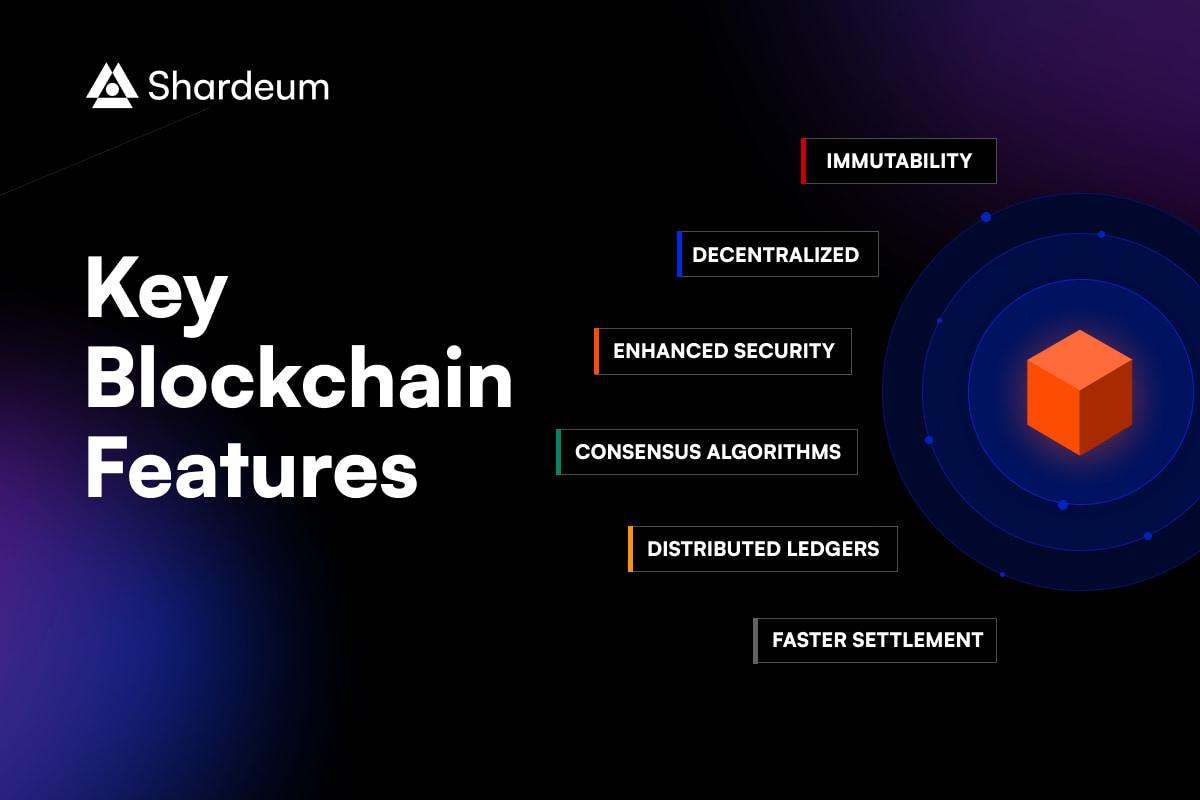
Blockchain is a decentralized ledger technology that securely records,tracks,and shares information across a network of computers. Each ‘block’ contains encrypted data validated by consensus, making alterations virtually unfeasible. Applying blockchain to qualification verification leverages its core strengths:
- Immutability: Credentials logged on the blockchain cannot be changed or tampered with.
- Transparency: Credential information is visible yet securely encrypted, allowing authorized parties to verify authenticity.
- Security: Advanced cryptography keeps sensitive information protected from unauthorized access.
- Decentralization: No single point of failure—records remain accessible and verifiable even if one node goes down.
The Challenges of Conventional Qualification Verification
Historically,qualification verification has relied on manual processes and centralized databases prone to errors and fraud. Common challenges include:
- Bureaucratic delays and slow manual verification processes
- Risk of forged diplomas and fraudulent credentials
- Limited access to up-to-date records from different regions
- High administrative costs and resource allocation
These drawbacks underscore the urgent need for a more efficient and secure solution—one that blockchain delivers exceptionally.
Blockchain-Based Qualification Verification: Key Benefits
Implementing blockchain for qualification verification brings a multitude of advantages for organizations, students, and employers alike.
1. Enhanced Security and Authenticity
- Credentials, certificates, and diplomas are cryptographically signed, preventing forgery.
- Third-party validation eliminates fake degrees and certificates from unaccredited institutions.
2. Instant and Clear Verification
- Employers can instantly validate candidates’ qualifications online.
- Students and professionals hold tamper-proof digital wallets for their credentials.
3. Cost-Efficiency and Resource Optimization
- No manual paperwork or costly administrative overhead.
- Automated smart contracts speed up the verification process.
4.Global Accessibility and Portability
- Blockchain credentials are recognized worldwide, simplifying cross-border verification.
- graduates, expats, and job seekers can share verified records with any institution or employer across the globe.
how Blockchain Qualification Verification Works
- Credential Issuance: Educational institutions issue digital diplomas or certificates and record them on a blockchain platform.
- Validation: Credentials are cryptographically signed and stored, linked to the individual’s secure digital identity.
- Sharing & Verification: Students or professionals can share their credentials directly with employers, who verify their authenticity via the blockchain with one click.
- Continuous Updating: Credentials can be updated and new qualifications added, ensuring a lifelong learning record.
Leading blockchain platforms for qualification verification include Ethereum, Hyperledger, and specialized networks like Blockcerts and OpenCerts.
Real-World Case Studies: Blockchain Credential Verification in action
MIT and Blockcerts
The Massachusetts Institute of Technology (MIT) partnered with Blockcerts to issue blockchain-based diplomas. Graduates receive secure digital certificates, which can be instantly shared and verified by employers anywhere, reducing the risk of credential fraud.
singapore’s OpenCerts Initiative
OpenCerts is a government-backed project in Singapore where multiple universities issue blockchain-anchored certificates. Employers can verify graduates’ academic records directly on the platform, streamlining recruitment and eliminating fake credentials.
University of Bahrain
Since 2019, the University of Bahrain has issued blockchain-based diplomas, giving students control and portability over their qualifications in the global job market.
Practical Tips: Implementing Blockchain Verification in Your Organization
For businesses and academic institutions seeking to adopt blockchain for verification, consider these strategic steps:
- Assess Needs: Identify the types of credentials you want to secure and the verification workflows you’ll automate.
- Select Technology: Compare blockchain platforms for cost, security, scalability, and community support.
- Involve Stakeholders: Train admin staff and create awareness among users about blockchain credentials.
- Ensure Compliance: Check data protection laws (GDPR, CCPA) when storing personal information on the blockchain.
- integrate Seamlessly: Work with IT teams to integrate blockchain systems into existing CRM, HR, or student management platforms.
Future Trends: the Evolution of Blockchain Qualification Verification
The integration of blockchain technology into qualification verification is just begining. Expect to see:
- AI and Smart Contracts: Automated, intelligent verification and matching of candidate profiles.
- Self-sovereign Identity: Individuals own and control all aspects of their academic and professional records.
- Wider Industry Adoption: Expansion into healthcare, regulatory bodies, and professional licensing boards.
Innovations will further eliminate credential fraud and create value for institutions,employers,and lifelong learners.
Conclusion: Why Blockchain Is the Future of Secure, Reliable, and Efficient Qualification Verification
Blockchain is not just a technological trend—it is a practical solution to some of the biggest challenges in qualification verification. By delivering secure, tamper-proof credentials that are instantly verifiable worldwide, blockchain empowers individuals, organizations, and educational institutions to build trust through transparency. As the technology matures, expect qualification verification processes to become even more seamless, reliable, and efficient.
Ready to future-proof your organization? Consider integrating blockchain-based verification and join the movement towards secure, authenticated credentials in a digital world.
Keywords for SEO:
- Blockchain qualification verification
- Secure credential verification
- Reliable diploma authentication
- Efficient blockchain verification
- Blockchain-based certificates
- Digital diploma verification
- Education blockchain
- Blockchain in HR