
How Blockchain is Transforming the Verification of qualifications: A Secure and Efficient Solution
In an era driven by digital innovation, the need for secure and efficient qualification verification has never been greater. Customary methods are often cumbersome, error-prone, and susceptible to fraud. Enter blockchain technology—an emerging solution that is disrupting the way academic and professional credentials are authenticated. In this article, we explore how blockchain is transforming the verification of qualifications, offering a secure, transparent, and streamlined approach for institutions, employers, and individuals alike.
understanding Blockchain-Based Qualification Verification
Before we delve into the transformative potential of blockchain, let’s clarify what it means in the context of verifying qualifications. Blockchain is a decentralized, tamper-proof digital ledger, best known as the technology behind cryptocurrencies like Bitcoin. Though, its utility extends far beyond finance, making it a powerful tool for securely recording and verifying educational and professional achievements.
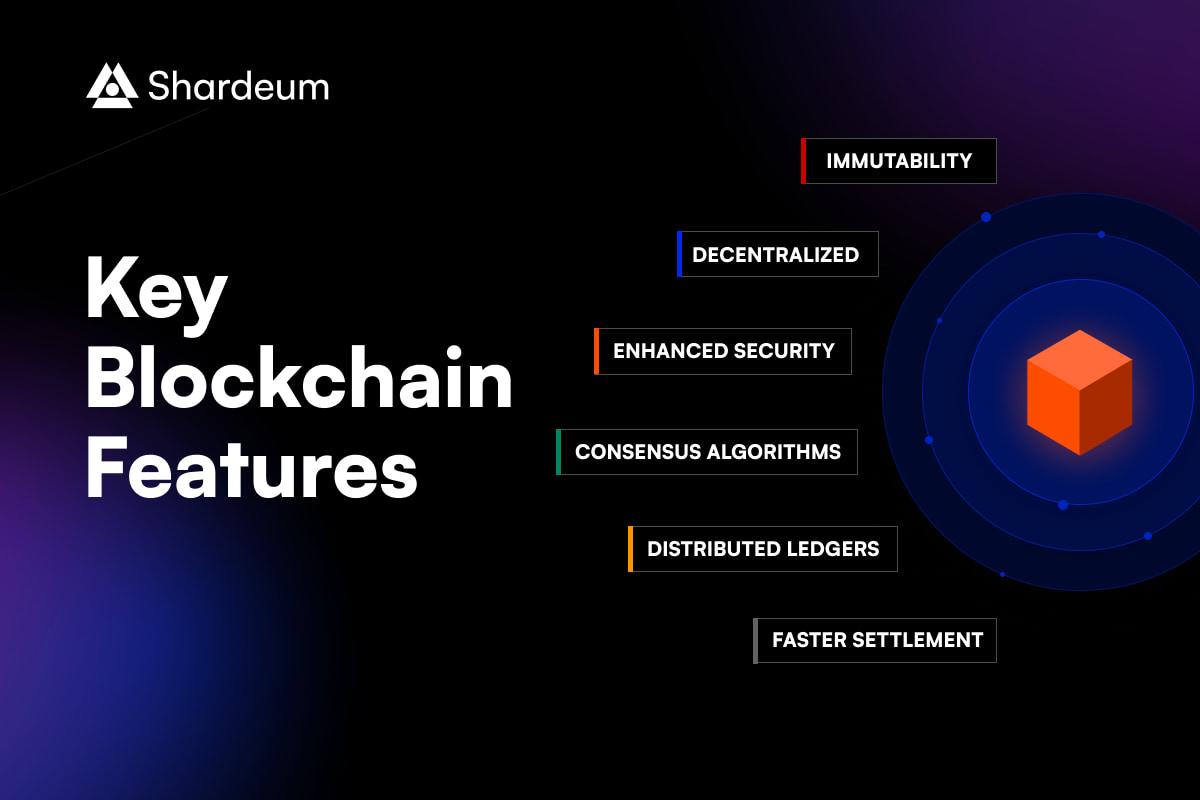
- Decentralization: Data is stored across a distributed network, eliminating single points of failure.
- Openness: Authorized users can access and verify credentials anytime, anywhere.
- Immutability: Once facts is added, it cannot be altered or deleted—ensuring authenticity.
Current Challenges with Traditional Verification Methods
Traditional qualification verification often relies on manual processes, physical documentation, and third-party services. This leads to several issues:
- Delays in processing time due to administrative bottlenecks
- Susceptibility to forged documents and credential fraud
- High operational costs for both issuing institutions and employers
- Difficulty in verifying international qualifications
The Advantages of Using Blockchain for Qualification Verification
Implementing blockchain qualification verification addresses many of the pain points found in legacy systems. Here are the most significant benefits blockchain brings to this vital process:
1.Enhanced Security & Fraud Reduction
Each credential is cryptographically signed and recorded on the blockchain, making it virtually impossible to tamper with or forge qualifications. Verification can occur instantly and reliably by referencing the blockchain record.
2. Instant verification and Accessibility
Employers, educators, and individuals can instantly access and verify credentials from anywhere in the world. No need to wait weeks for transcript requests or reference checks.
3. Cost and Time Efficiency
Blockchain reduces the administrative overhead associated with manual verification, saving both time and money for institutions and organizations.
4. Empowerment for Individuals
Digital credentials on the blockchain give individuals direct control over their data, allowing them to share their verified qualifications securely and selectively.
How Blockchain-Based qualification Verification Works
The process of verifying qualifications using blockchain typically involves these essential steps:
- Issuance: Educational institutions or certifying bodies issue digital credentials to graduates or professionals, recording each issue on the blockchain.
- Control: Individuals receive a private, secure link or a digital wallet containing their verified credentials.
- Sharing: When applying for jobs, further studies, or professional licensure, individuals can easily share their digital credentials with a simple click or QR code.
- Verification: Employers or organizations can instantly verify the authenticity of the credentials by checking the blockchain record, without intermediary verification agencies.
Real World Use Cases and Case studies
Several pioneering organizations and educational institutions have already begun implementing blockchain for credential verification, setting the stage for mainstream adoption.
- MIT’s Digital Diplomas: As 2017, the Massachusetts Institute of Technology (MIT) has issued diplomas on the blockchain, allowing students to prove and share their achievements instantly and securely with employers worldwide.
- Europass Digital Credentials Initiative: The European Commission’s Europass Digital Credentials framework aims to make all degrees,certificates,and diplomas across the EU digitally verifiable via blockchain by 2025.
- Business and HR Platforms: Platforms like Learning Machine and TrueProfile.io are working with enterprises and universities worldwide to make blockchain credentialing a standard for hiring and onboarding processes.
First-Hand Experience: What Users and Institutions Say
“The biggest advantage was the ease of verification. I sent a QR code to my potential employer,and my digital degree was verified in less than a minute. It gives immense peace of mind.”
— Sara L., MIT Graduate
“Blockchain credentials have dramatically reduced our administrative workload and the risk of accepting fraudulent degrees.It’s a win-win for everyone involved.”
— Human Resources Manager, Multinational Tech company
practical Tips for Institutions Adopting Blockchain Credentialing
- Choose the Right Platform: Select a blockchain platform designed specifically for digital credentials, such as Blockcerts or Evernym.
- Ensure Interoperability: Work with solutions that comply with global standards to ensure seamless verification across borders.
- Educate Stakeholders: Conduct training sessions for staff, students, and employers on how to issue, manage, and verify blockchain credentials.
- focus on Privacy: Choose solutions that prioritize data privacy, giving individuals control over with whom they share their credentials.
Potential Challenges and the Future of Blockchain Verification
while blockchain brings significant advantages, there are potential hurdles to overcome:
- Adoption Resistance: Some institutions may be hesitant to change established verification processes.
- Technical Barriers: Integration with existing student management systems may require investment and expertise.
- Legal and Regulatory Considerations: Ensuring compliance with data protection laws like GDPR is vital.
Though, as more organizations recognize the limitations of traditional verification and the strengths of blockchain technology, adoption rates are expected to climb rapidly. Global standards are also being established, paving the way for decentralized credentials to become the new norm in academic and professional verification.
Conclusion: Blockchain as the future of Qualification Verification
The conversion driven by blockchain technology in verifying qualifications is not just a technological upgrade—it’s a paradigm shift toward a secure, efficient, and transparent future. By eliminating fraud, reducing costs, and empowering individuals, blockchain is establishing itself as the gold standard for credential verification in 2024 and beyond.
Whether you’re a student looking to share your achievements globally,a recruiter wanting to verify potential hires instantly,or an educational institution striving for operational efficiency,embracing blockchain for qualification verification is a future-proof strategy. Don’t get left behind; prepare for the revolution now and secure the integrity of qualifications for the digital age.