
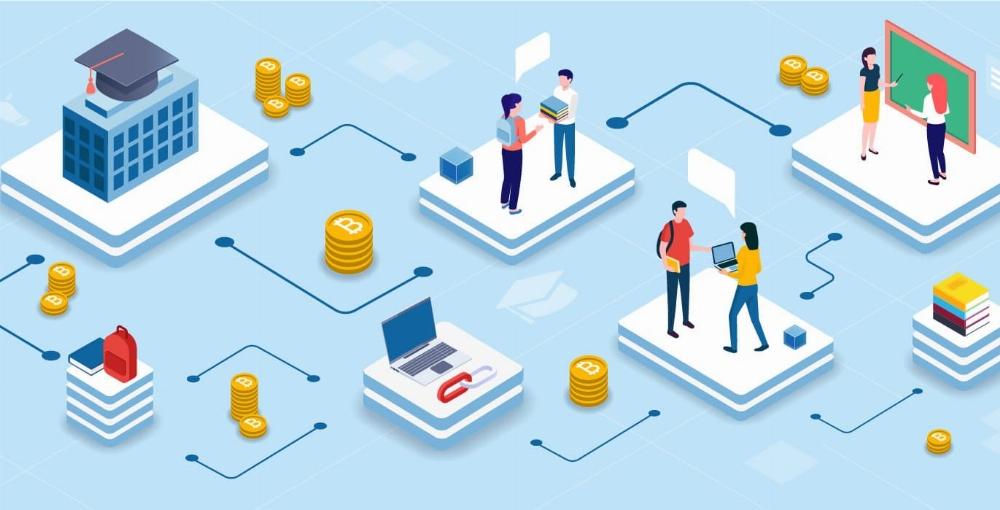
How Blockchain Technology Is Securing Academic Records: A New Era for Education Data Security
In an increasingly digital world, the protection and authenticity of academic records have become essential priorities for both educational institutions and students. Academic fraud,unauthorized data access,and inefficient verification processes pose critically important challenges to data integrity in education. Enter blockchain technology—a groundbreaking solution that is revolutionizing how we secure and manage academic records. this article delves into how blockchain is creating a new era for education data security, offering innovative methods to safeguard academic credentials and personal facts within the education sector.
What is Blockchain technology?
At its core, blockchain is a decentralized digital ledger that records transactions across many computers so that the records cannot be altered retroactively. Its clear, secure, and tamper-resistant nature makes it an ideal technology for handling academic records security and data integrity in education.
The Challenges of Conventional Academic Record-Keeping
Traditional methods for managing student records rely heavily on centralized databases, which present significant risks to data security and accessibility, including:
- Vulnerability to hacking and data breaches
- Susceptibility to tampering or forgery of records
- Inefficient manual verification processes
- Lack of immediate access for third-party verifiers (such as employers or institutions)
How Blockchain Secures Academic Records
blockchain technology addresses these challenges by providing a robust and transparent framework for academic data management.Here’s how blockchain is transforming the education sector:
1. Immutability and Tamper-Proof Records
Once an academic record is registered on a blockchain,it cannot be altered or deleted. This makes it virtually impractical for anyone to modify transcripts or certificates fraudulently.
2. Enhanced Openness and Trust
Blockchain allows students, institutions, and third parties to verify education credentials instantly and transparently. Each record has a unique digital signature, which assures the receiver of its authenticity.
3. Decentralized Control
Unlike centralized databases, blockchain stores records across multiple nodes globally. This not only mitigates the risk of data loss from system failures but also eliminates single points of failure.
4. Privacy and Security
Through cryptography, blockchain ensures that sensitive student data is accessible only to authorized individuals, protecting privacy while enhancing security. permissioned blockchains can further restrict data access to specific stakeholders.
5. Efficient Verification and Access
- employers and universities can quickly and securely verify academic achievements.
- Students can easily share a cryptographically verifiable version of their records with any institution.
- Reduces administrative bottlenecks and streamlines the admissions and hiring processes.
Benefits of Blockchain in Education Data Security
- Fraud Prevention: Protects against document forgery and identity theft.
- Data Integrity: Guarantees that academic records are unchanged and authentic.
- Interoperability: Enables seamless sharing of records across institutions,both nationally and internationally.
- Cost efficiency: Reduces the administrative costs involved in storing, retrieving, and verifying records.
- Student Empowerment: Grants students lifelong ownership and control over their academic achievements.
Case Studies: Blockchain in Action
MIT’s Digital Diplomas
In 2017, the Massachusetts Institute of Technology (MIT) began issuing blockchain-based digital diplomas to graduates. Using the blockcerts open standard, MIT students received a digital version of their diploma that could not be lost, tampered with, or faked. Graduates can securely share their credentials with employers or other schools—anywhere in the world—with a simple QR code.
The University of Nicosia
A pioneer in blockchain adoption, the University of Nicosia in Cyprus was the first institution to offer degrees verified via the blockchain. It now uses blockchain technology for verifying academic certificates and has integrated it into its business processes, significantly reducing verification requests and costs.
UNESCO and Latticex Partnership
In Africa, UNESCO has partnered with blockchain platform Latticex to build tamper-proof, lifelong learners’ records, empowering millions of students with verifiable academic histories and opening up opportunities for study and work abroad.
Practical Tips: Implementing Blockchain for Academic Records
- Identify System requirements: Assess the scale, privacy needs, and users of your academic record system.
- Choose the Right Blockchain Type: Permissioned (private) blockchains are more suitable for internal academic records; public blockchains are better for widespread credential verification.
- Adopt Open standards: Use open standards like Blockcerts for interoperability and future-proofing.
- Ensure Regulatory Compliance: Align your blockchain implementation with privacy regulations (e.g., GDPR, FERPA).
- Faculty & student Training: Educate staff and students about the use and benefits of blockchain-based academic records.
- Pilot Projects: Begin with small-scale pilots before full-scale adoption to iron out technical or user-experience issues.
First-Hand Experience: Insights from an IT Director
“Before adopting blockchain, we were inundated with diploma and transcript verification requests—which sometimes took weeks. With our new blockchain-based digital credentials, not only have we cut down administrative workload, but students are also delighted to have full control over sharing their academic records,” shares Jane Thompson, IT Director at a leading European university.
The Future of Blockchain in Academic Data Security
As the education sector becomes more globalized and digitized, the demand for secure, accessible, and shareable academic records will continue to grow. Blockchain is poised to set industry standards for education data security, driving transparency and trust across borders. Developments such as self-sovereign identities and integration with artificial intelligence promise new possibilities for personalized learning, credential portability, and automated verification.
Challenges remain—such as scalability, widespread adoption, and regulatory coordination—but growing investment and success stories suggest blockchain’s potential in revolutionizing academic record management is only beginning to be realized.
Conclusion: Embracing a New Digital Era in Education
The integration of blockchain technology into academic data management marks a historic leap forward for the security, privacy, and efficiency of academic records. No longer shackled by paper trails or slow manual verifications, students and institutions alike stand to benefit from a system where credentials are secure, accessible, and trusted—worldwide.
As more universities and education providers embrace blockchain, the future of education data security looks both shining and resilient. Now is the time for educational leaders to explore this innovative path,ensuring that academic records remain a true,unchangeable reflection of lifelong learning and achievement.