
How Blockchain Technology Is Securing Academic Records: A New era of Education Security
In today’s digital-first world, academic credentials are more valuable—and vulnerable—than ever before. Fake degrees, tampered transcripts, and identity theft have long plagued educational institutions and employers alike.But that’s beginning to change, thanks to the disruptive power of blockchain technology. This article explores how blockchain technology is securing academic records, ushering in a new era of education security that benefits students, universities, and society at large.
Understanding Blockchain Technology in Education
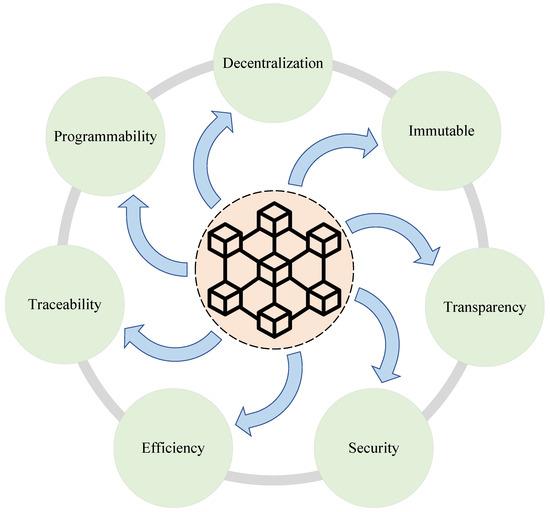
At its core, blockchain is a decentralized, tamper-proof digital ledger that records transactions across many computers. Unlike traditional databases, data stored on a blockchain is immutable—meaning once information is entered, it cannot be changed or erased. In the context of academic records management, this technology promises unprecedented openness, security, and efficiency.
Why Is Securing Academic Records So Vital?
- Fraud Prevention: Fake qualifications are a global issue. Blockchain’s unalterable records make it nearly unachievable to forge degrees or transcripts.
- Privacy Protection: Students gain more control over who views their academic achievements, enhancing their data privacy.
- Streamlined Verification: Employers and institutions can instantly verify credentials, reducing delays in hiring or admissions processes.
How Blockchain Technology Secures Academic Records
When an academic institution issues a diploma or transcript on the blockchain, it creates a unique, time-stamped digital signature. This is then stored on a decentralized ledger accessible to authorized users. Hear’s how the process strengthens education security:
- Decentralization: No single party controls the records, ensuring data integrity and minimizing hacking risks.
- Cryptographic Security: Advanced encryption safeguards sensitive information during storage and transmission.
- Auditability: Every change or access attempt is logged, creating a clear audit trail.
- Ownership: Students receive private keys to their credentials, allowing them to share and verify their academic achievements securely.
Benefits of Blockchain Academic Records
- Immutable Proof of Achievement: Credentials are easily verifiable and recognized worldwide.
- Reduced Administrative Costs: Automation eliminates manual verification and paperwork, saving time and money.
- Enhanced Student Mobility: International students can seamlessly present verifiable degrees and credits across borders.
- Lifelong Learning Portfolios: Micro-credentials, professional certificates, and degrees can be managed in a single digital wallet throughout a learner’s life.
Real-World Case Studies: Blockchain Adoption in Education
1. MIT: Digital diplomas
The Massachusetts Institute of Technology (MIT) piloted its Digital Diploma program in 2017. Using blockchain technology, graduates received verifiable digital diplomas in addition to paper copies. Employers or institutions can instantly validate credentials with a few clicks.
2.Malta: National Blockchain certification
malta became the first country to implement a blockchain-based national registry for academic qualifications. All state and private institutions record student certificates on a shared ledger, dramatically reducing paperwork and fraud.
3. Educhain: Global Reach
Educhain, a Canadian startup, partners with institutions around the world to issue transcripts, diplomas, and even attendance certificates via a blockchain platform—making global academic record verification more accessible than ever before.
First-Hand Experiences: The Student and Educator Perspective
Students: Greater Control and Confidence
Students using blockchain credentials report feeling more empowered—knowing their achievements are indisputable and can be instantly shared with employers or institutions worldwide. no more waiting weeks for transcript processing or fearing degree fraud.
Educators & Administrators: Streamlined Processes
Educators praise the reduced workload, as credential issuing, verification, and record keeping are significantly automated. They also highlight enhanced trust with employers, as blockchain-backed degrees are universally accepted as tamper-proof.
Practical Tips for Institutions Adopting Blockchain for Academic Records
- Start Small: pilot blockchain with specific credentials (e.g.,digital certificates for short courses) before a full rollout.
- Choose the Right Platform: Evaluate open-source and commercial blockchain solutions based on scalability and security.
- Engage Stakeholders: Involve students, faculty, and employers early in the process to ensure buy-in and address concerns.
- Comply with Data Regulations: ensure blockchain systems align with GDPR, FERPA, and regional legal requirements for educational data.
- Plan for Longevity: Work with technology partners committed to long-term support and evolution as standards change.
Challenges and Considerations
- Interoperability: Diverse blockchain platforms must develop universal standards for seamless record exchange.
- User Education: Both students and staff need training to safely manage digital wallets and keys.
- Initial Costs: Upfront investment in new technologies and staff retraining can be notable, although long-term savings are expected.
Addressing these challenges head-on is essential for maximizing the benefits of blockchain in academic records security.
Conclusion: Embracing a New Standard for Education Security
As educational institutions worldwide adopt digital change strategies, blockchain technology is rapidly redefining the future of academic records security. By embracing this innovative solution, schools and universities can offer students greater agency, dramatically reduce fraud, and streamline verification processes for a globally connected workforce.
While there are challenges to overcome, the benefits of blockchain-powered academic records are clear: enhanced data privacy, faster hiring and admissions, and a verifiable foundation for lifelong learning.
The era of lost diplomas and fake degrees is fading. Thanks to blockchain, the education sector is entering a new epoch of trust, transparency, and security—paving the way for a smarter, safer, and more equitable world of learning.