
How Blockchain Technology secures Academic Records: A Revolution in Digital Credentials
Across the globe, educational institutions are enhancing the way academic records are managed, authenticated, and shared. At the forefront of this digital revolution stands blockchain technology, offering a secure, clear, and tamper-proof framework for managing academic credentials. But how does blockchain actually secure academic records, and why are universities and employers so eager to embrace this new approach?
This article dives deep into the intersection of blockchain and digital academic credentials, exploring the technology’s benefits, practical applications, real-world case studies, and expert insights into the future of secure academic recordkeeping.
Understanding Blockchain technology in Academic Records
Blockchain, the innovative technology behind cryptocurrencies like Bitcoin, has found new life far beyond finance. In essence,a blockchain is a decentralized and distributed digital ledger. each “block” contains a list of records (such as diplomas or transcripts), cryptographically linked to previous blocks, ensuring the entire chain’s integrity.
When applied to academic records, blockchain offers:
- Immutability: Once data is entered, it cannot be tampered with or deleted without leaving a digital trace.
- Clarity: all transactions and record updates are visible and auditable, increasing trust.
- Decentralization: No single authority controls the data,reducing the risk of data breaches.
- verifiability: Employers and othre institutions can instantly verify the authenticity of credentials.
Why Secure Academic Records Matter
Academic records are not just an administrative formality—they are passports to higher education, jobs, and career advancement. Sadly, customary systems are prone to issues like:
- Fraud: Forged diplomas and transcripts undermine trust in institutions.
- Data Loss: Paper-based systems are susceptible to loss, damage, or sabotage.
- verification Delays: Manual processes can slow down academic and career progress.
moving to digital academic records powered by blockchain addresses these challenges head-on, offering robust security, efficiency, and peace of mind for all stakeholders.
How Blockchain Secures Academic Records
1. Tamper-Proof Recordkeeping
Each student’s record, from certificates to transcripts, is stored as a unique block on the blockchain. These blocks are encrypted,timestamped,and permanently linked,making it nearly impractical for anyone to alter the record without alerting the entire network.
2. Decentralized Verification of Credentials
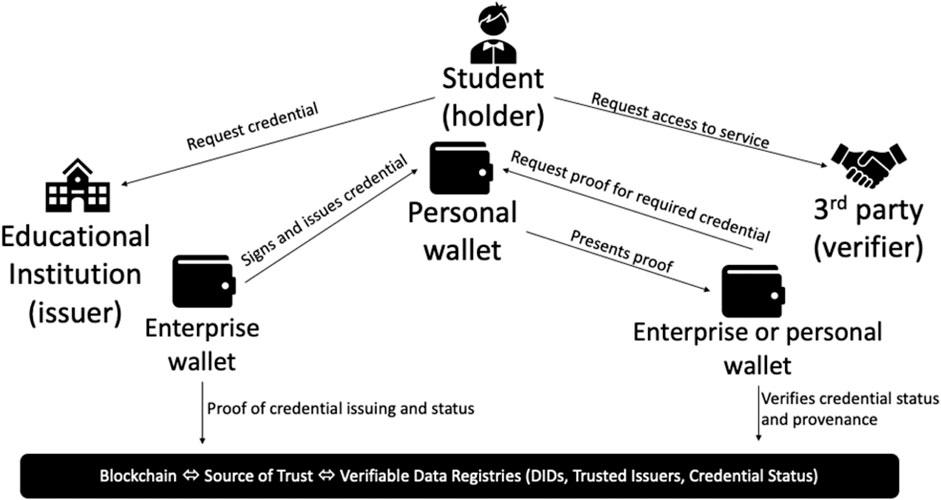
Thru a decentralized approach, verification of academic credentials becomes fast and foolproof. When a potential employer scans a diploma’s QR code or hash, they can instantly confirm its authenticity by checking it against the immutable blockchain ledger—no need for long approval chains or paper copies.
3. Enhanced Privacy and Data Control
With blockchain, students gain control over who accesses their academic records. Self-sovereign identity solutions allow graduates to selectively share portions of their record,maintaining privacy while ensuring streamlined validation.
Benefits of Blockchain in Digital Academic Credentials
- Fraud Prevention: Eliminates fake degrees and forgeries, safeguarding institutional reputation.
- Secure, permanent Storage: Academic records are protected against loss, damage, or tampering.
- 24/7 Access and Instant Verification: Graduates,employers,and universities can access and verify records any time,from anywhere.
- Cost and Time Efficiency: Reduces administrative burden, freeing up resources and speeding up verification processes.
- global Portability: Academic credentials are valid anywhere in the world, promoting mobility and international recognition.
Case Studies: Blockchain-Powered Academic Records in Action
MIT: Pioneering digital Diplomas
In 2017, the Massachusetts Institute of technology (MIT) became a global trailblazer by issuing blockchain-based digital diplomas to graduates via their “Blockcerts” platform. Students received both paper copies and a verifiable digital version on their mobile devices. Employers and universities could instantly and securely verify degree authenticity with a single click.
University of Nicosia: Blockchain for Higher Education
The University of Nicosia in Cyprus adopted blockchain-based academic certificates in 2014, setting an early precedent.Today, the institution’s digital diplomas are internationally recognized, verifiable, and fraud-proof, enhancing the value of their credentials for global students.
Dutch Universities Consortium
In the Netherlands, a consortium of universities collaborated with the Dutch Ministry of Education on a platform that uses blockchain to manage and verify digital academic records and qualifications. The result is a streamlined process for graduates seeking jobs across the European Union, with instant digital credential authentication.
Challenges and Considerations
While blockchain offers robust digital solutions, it is indeed not without challenges:
- Interoperability: Different blockchain platforms must be compatible for global adoption of digital academic credentials.
- Data Privacy Regulations: Systems must comply with laws like GDPR, ensuring sensitive student data is protected.
- Change Management: Educational institutions face cultural and infrastructural hurdles when transitioning from traditional systems.
- Access and Equity: Ensuring all students and employers have access to the technology is crucial for widespread success.
Practical Tips for Institutions Implementing Blockchain Academic Records
- start Small: Pilot blockchain credentialing with select programs before campus-wide rollout.
- Engage Stakeholders: Involve students, staff, and employers early to understand needs and gain buy-in.
- Choose Open Standards: Use open-source solutions like Blockcerts to promote interoperability and transparency.
- Prioritize Security: Partner with reputable blockchain providers and regularly audit systems for vulnerabilities.
- Educate End-Users: offer tutorials and support so graduates and employers can easily access the digital credentials system.
A First-Hand Viewpoint: Blockchain Credentialing in Action
“as a graduate, my digital diploma issued on the blockchain was available on my smartphone moments after graduation. When applying for a job abroad, I simply emailed the verification link to my employer, who instantly confirmed my credentials. It saved weeks compared to traditional processes, and I never had to worry about lost paperwork.”
– Maria F., Computer Science graduate
The Future: Blockchain and the Evolution of Academic recordkeeping
Looking ahead, the integration of blockchain technology in academic records promises ongoing innovation:
- Global Credential portfolios: Students will manage a portfolio of achievements—degrees, micro-credentials, certifications—from multiple institutions, all on a single, secure blockchain wallet.
- Automated Recognition: Applications for higher education or employment can be auto-verified, streamlining admissions and hiring worldwide.
- Lifelong Learning: Individuals will seamlessly accumulate, update, and share ongoing educational achievements, from formal degrees to online certifications, ensuring lifelong growth and verifiable learning.
Conclusion
Blockchain technology is sparking a transformative wave in how academic records are secured, accessed, and verified. By providing tamper-proof,decentralized,and globally accessible digital credentials,blockchain restores trust,empowers students,and streamlines processes for educators and employers alike.
As more institutions embark on this digital journey,the world of academic credentialing will become more secure,efficient,and global,shaping the future of education in the digital era.