
How cultural Context Shapes EdTech Adoption: Key Insights and Trends
In today’s digital age, Educational Technology (EdTech) is transforming classrooms and learning environments worldwide. However, adopting new technology is not just about access to tools—it’s deeply influenced by cultural context. Understanding how societal values, traditions, and local environments shape EdTech implementation is essential for educators, policymakers, and technology providers.In this comprehensive guide, we explore the pivotal role of cultural context in EdTech adoption, key global trends, actionable insights, and real-world case studies to help you navigate this dynamic landscape.
Why Cultural Context Matters in EdTech Adoption
Cultural context refers to the values, practices, norms, and historical backgrounds that characterize a community or society. In the realm of EdTech adoption,cultural differences can effect:
- Technology Acceptance: Societal attitudes towards innovation and change.
- Learning Preferences: Individual vs. collective learning, reward structures, and motivation.
- Language and Communication: Multilingual needs and content localization.
- Institutional Support: Government policies and funding models.
- Family and Community Involvement: parent and student engagement in education.
Without recognizing these nuances, even the most advanced EdTech solutions can encounter resistance, leading to suboptimal results.
Key Insights from Global EdTech Adoption
1. Localized Content and Language
One of the primary factors in successful EdTech implementation is the adaptation of content to local languages and customs. Solutions that resonate wiht students’ everyday lives foster higher engagement and are less likely to face barriers due to unfamiliarity.
2. Varied Pedagogical Approaches
Cultural context shapes how learning is approached—whether through teacher-centered lectures, collaborative projects, or inquiry-based models. Effective EdTech platforms reflect and support these local teaching styles, adapting features and workflows to fit into existing educational practices.
3. Parental and Community Engagement
In some cultures, parents and community members play a meaningful role in education. EdTech platforms that facilitate communication and involve stakeholders beyond the classroom achieve greater adoption and satisfaction.
4. Technological Infrastructure and Accessibility
Infrastructure varies widely across regions. Rural or underdeveloped areas may lack reliable internet or devices, making offline features, mobile accessibility, and low-bandwidth optimization essential factors.the digital divide is a crucial consideration shaping EdTech rollout strategies.
5. Policy and Regulatory Environment
National education policies and funding models directly impact EdTech implementation. Governments with strong digital education frameworks encourage innovation and partnership,while restrictive or unclear policies can stall progress.
global Trends in EdTech Influenced by Cultural Context
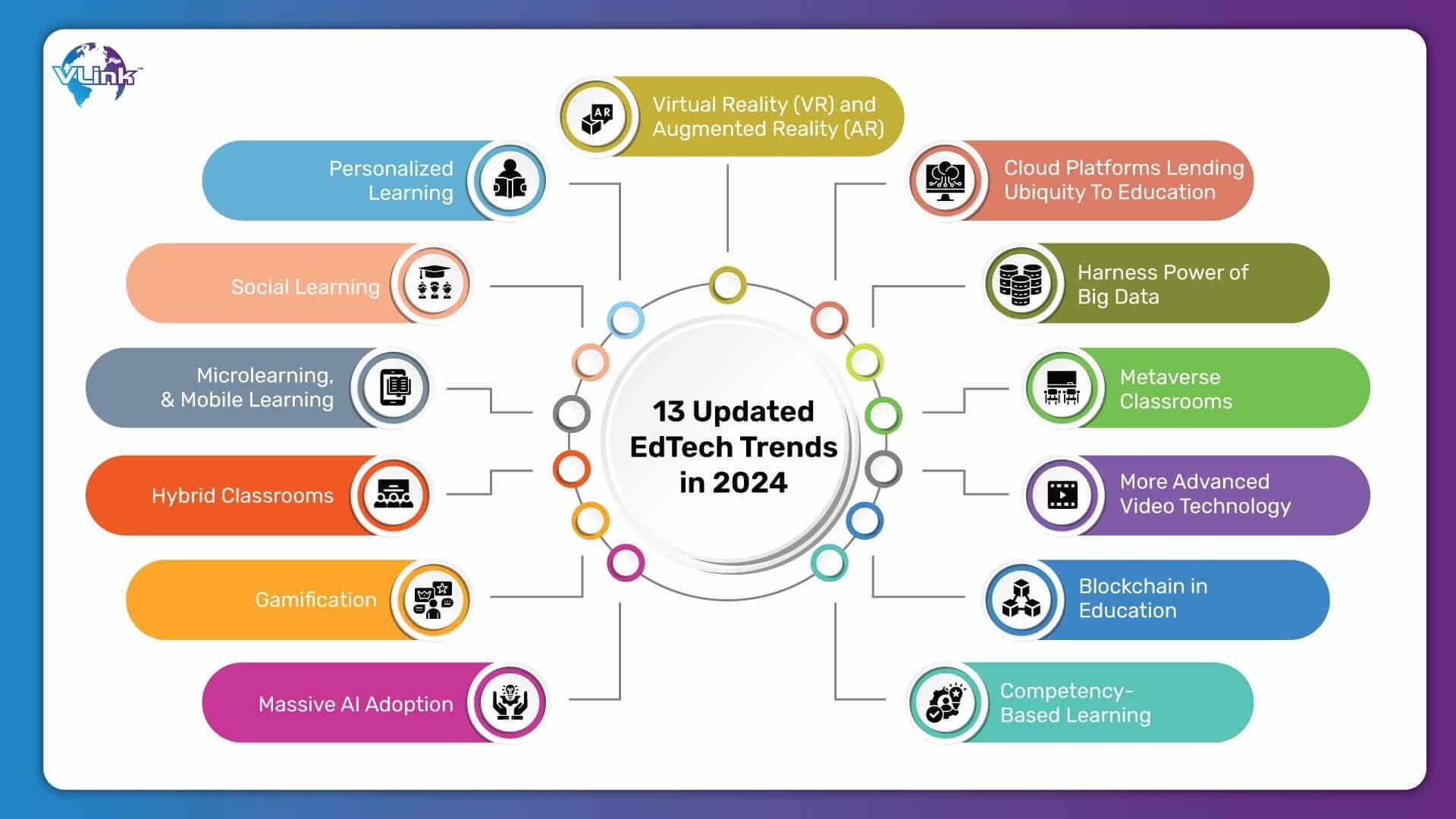
- Personalized Learning Experiences: Platforms increasingly tailor content to individual learner needs, accommodating cultural preferences and learning styles.
- mobile-First Solutions: in regions with limited PC access, mobile devices dominate, driving demand for mobile-optimized EdTech apps and e-learning platforms.
- Gamification and Storytelling: Game-based learning and local storytelling are used to spark engagement,especially in K-12 education.
- Digital Skill Development: Emphasis on coding, digital literacy, and 21st-century skills is rising in both developed and emerging markets, frequently enough shaped by local workforce needs.
- Community-Based Learning platforms: Social learning features,peer collaboration,and community forums are gaining popularity,reflecting collectivist cultural values.
Case Studies: Cultural Context in Action
A. EdTech in scandinavia: student-Centric Learning
Countries like Sweden and Finland prioritize student autonomy, creativity, and peer learning. Their EdTech platforms emphasize collaborative projects,inquiry-driven content,and teacher facilitation over didactic instruction. Frequent feedback cycles and flexible digital environments support these values.
B. EdTech in India: Mobile Solutions for Mass Education
India’s vast, multilingual student population relies heavily on mobile devices for access. EdTech platforms like Byju’s and Toppr offer vernacular content, low-bandwidth features, and community support networks to reach remote learners.There’s also a strong focus on exam planning, reflecting societal importance of competitive testing.
C. EdTech in the Middle East: Gender-Sensitive Approaches
In regions with gender segregation, EdTech solutions provide unique opportunities for women and girls to access flexible, high-quality educational resources. Platforms offering privacy controls, selective social features, and locally relevant content have seen strong uptake, transforming educational accessibility.
D. Africa’s Leapfrog Effect: Innovation Amidst Limitations
With limited infrastructure, African nations often bypass traditional models, deploying mobile-first and community-driven EdTech.Such as, Eneza Education leverages SMS technology to deliver learning materials, while localized gamification fosters engagement among diverse populations.
Benefits of Cultural Context-aware EdTech Adoption
- Higher Engagement: Learners relate better to familiar content and environments.
- Improved Outcomes: Adaptive platforms align with local teaching practices, driving better results.
- Inclusive Education: Multilingual and accessible solutions reach marginalized groups.
- Scalable Solutions: Customization allows wider expansion across geographic and demographic boundaries.
- Stakeholder Satisfaction: Teachers, students, and parents are more likely to embrace technology that fits their needs.
Practical Tips for Successful EdTech Implementation in Diverse Cultural Contexts
- Conduct Thorough needs Assessments: Engage with local stakeholders—educators, parents, and students—before launching any new EdTech solution.
- Prioritize Localization: translate materials,adapt examples,and use relevant images,stories,or games.
- Invest in Teacher Training: Provide professional development on integrating technology into culturally familiar teaching methods.
- Leverage Community Champions: Identify local leaders or influencers to support rollout and drive acceptance.
- Design for Accessibility: Ensure platforms work across various devices and connectivity conditions, considering urban, rural, and underserved communities.
- Monitor and Iterate: use feedback mechanisms to collect data and refine EdTech solutions for ongoing relevance and impact.
First-Hand Experience: Insights from Educators
“When we introduced an EdTech platform in our rural district, students responded best to examples from their own lives. Incorporating local stories and imagery made lessons more relatable, and engagement soared.”
— Asha Mehta, Teacher, Maharashtra, India
“Language was a major barrier for our immigrant students. Adding multiple language options to our learning portals not only improved comprehension but also boosted students’ confidence.”
— Erik Sundström, School Administrator, Sweden
Conclusion: The Future of EdTech Lies in Cultural Responsiveness
Cultural context is the backbone of successful EdTech adoption. By recognizing and responding to local customs, pedagogies, languages, and needs, educational technology becomes more than just a digital tool—it transforms into a bridge that connects learners to opportunity and growth. As global trends continue to evolve, players across the education landscape—leaders, teachers, and technologists—must commit to designing EdTech solutions that honor and integrate diverse cultural identities. in doing so, we create a more inclusive, effective, and sustainable future for digital learning worldwide.
Looking for more insights? Subscribe to our newsletter for the latest trends in EdTech and education innovation.