
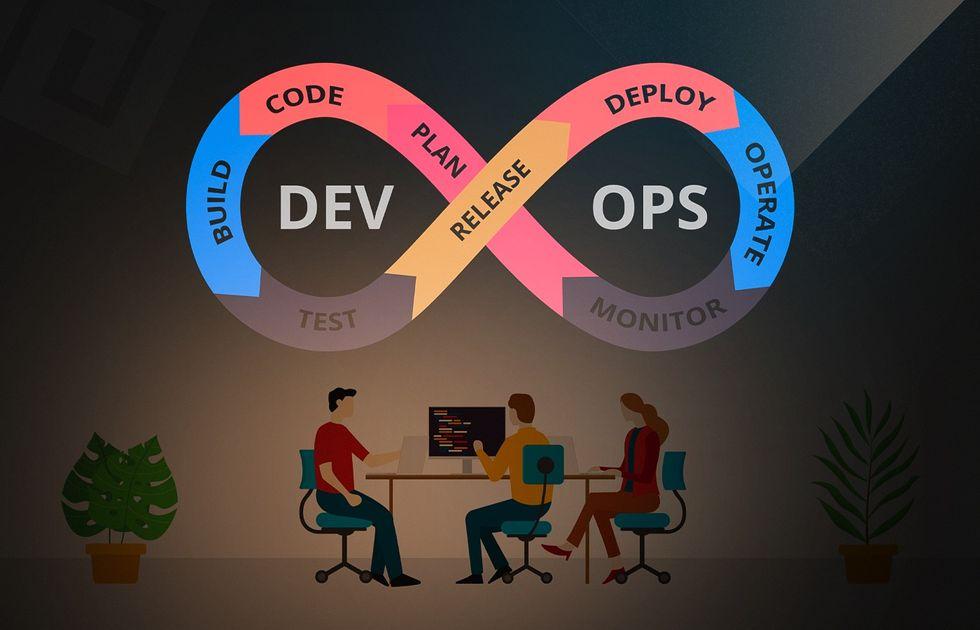
How DevOps Engineers Are Revolutionizing Education Systems: key Roles & Skills Explained
Teh landscape of education has changed dramatically with the rise of technology-driven learning environments. As universities, colleges, and schools embrace digital transformation, the demand for skilled professionals in education technology is on the rise. Among the emerging roles,DevOps engineers have become pivotal in revolutionizing how educational institutions deploy,manage,and improve their IT infrastructure and learning platforms. If you’re a job seeker interested in a rewarding career in educational technology, understanding the impact, roles, and key skills of DevOps engineers in education systems is essential.
What Is a DevOps Engineer in Education Technology?
A DevOps engineer bridges the gap between software development and IT operations, ensuring seamless integration and deployment of educational technologies. In universities, colleges, and K-12 schools, DevOps engineers collaborate with IT teams, faculty, and administrators to automate workflows, streamline software releases, and ensure high availability of learning management systems (LMS), student portals, virtual classrooms, and digital assessments.
In the context of educational technology, DevOps engineers play a crucial role in managing cloud-based services, enhancing cybersecurity, supporting remote learning, and enabling innovative teaching methods through reliable and scalable digital platforms.
Key Roles of DevOps Engineers in education Systems
DevOps engineers wear manny hats in academic environments. Their responsibilities extend beyond technical implementation to include optimizing processes,promoting collaboration,and ensuring compliance. The core roles include:
- continuous Integration and Continuous Delivery (CI/CD): Automating the testing, deployment, and updating of educational platforms to provide seamless learning experiences for students and staff.
- Infrastructure as Code (IaC): Leveraging tools such as Terraform or Ansible to provision and manage IT infrastructure efficiently, reducing manual errors and downtime.
- Cloud Management: Deploying and maintaining cloud-based solutions (AWS, Azure, Google Cloud) to enable scalability and remote access for students and faculty.
- System Monitoring and Performance Optimization: Ensuring the uptime and reliability of online classes, LMS, and virtual labs through proactive system monitoring and troubleshooting.
- Cybersecurity and Compliance: Implementing robust security practices to protect sensitive student data and meet regulatory standards like FERPA or GDPR.
- Automation and Scripting: Writing scripts (in Python, Bash, or PowerShell) to automate routine administrative and maintenance tasks across educational IT systems.
- Collaboration and Communication: Facilitating smooth cooperation among developers, system administrators, and academic staff to rapidly respond to changing educational needs.
- Disaster Recovery and Backups: Designing backup strategies and recovery plans to ensure business continuity in case of system failures.
Essential Skills for DevOps Engineers in Educational Technology
To thrive as a DevOps engineer within the education sector, you’ll need a blend of technical and soft skills tailored to the unique demands of academic organizations. Here’s what recruiters and hiring managers look for:
Technical Skills
- Cloud Platforms: Expertise in AWS, Azure, or Google Cloud for deploying scalable, secure educational applications.
- Coding & Scripting: Proficiency in languages such as Python, shell, and PowerShell for automation and configuration management.
- CI/CD Tools: experience with jenkins, GitLab CI, GitHub Actions, or bitbucket Pipelines for automating deployment processes.
- Containerization & Orchestration: Knowledge of Docker, Kubernetes, or OpenShift for packaging and deploying educational software efficiently.
- Infrastructure as code (IaC): Practical know-how of Terraform, ansible, or Puppet to automate infrastructure management.
- Monitoring Tools: Familiarity with Prometheus, Grafana, Nagios, or New Relic for tracking system performance and alerting on issues.
- Security best Practices: Understanding of encryption, access control, and secure coding relevant to student data protection and institutional compliance.
- Version Control: Mastery of Git for managing changes to codebases and configuration scripts.
Soft Skills
- Problem-Solving: Ability to quickly identify and resolve issues impacting online learning and administrative systems.
- Team Collaboration: Strong communication skills for working across interdisciplinary teams in academic environments.
- Adaptability: Willingness to learn about new educational technologies and respond to evolving pedagogical needs.
- project Management: Experience organizing tasks, meeting deadlines, and managing multiple stakeholders in large educational institutions.
- attention to Detail: Precision in automating processes and configuring systems to maintain stable, secure environments.
Benefits of DevOps engineering for Educational Institutions
Adopting DevOps methodologies in education brings a host of benefits, impacting both institutional performance and student learning outcomes. Here’s why universities, colleges, and schools are eager to hire DevOps engineers:
- Enhanced Reliability: DevOps engineers ensure reduced downtime for learning platforms, supporting a consistent educational experience for students and staff.
- Scalable Infrastructure: Easy adaptation to increased demand during peak periods (like enrollment or exams) without compromising performance.
- Faster Innovation: Rapid deployment of new features in learning management systems and digital classrooms,enabling institutions to stay ahead of the curve.
- Cost Savings: Automation and efficient resource management help optimize IT budgets, allowing more investments in core educational activities.
- Data Security & compliance: Robust safeguards around sensitive student and academic records, reducing the risks associated with data breaches.
- Smoother Remote Learning: Reliable,accessible digital platforms to support distance education and blended learning environments.
- Proactive Issue Resolution: Improved monitoring leads to early detection and resolution of potential problems before they affect users.
Real-World Impact: DevOps in Action at Universities, Colleges, and Schools
The impact of DevOps in education technology is undeniable. Here are some practical examples of how DevOps engineers make a difference:
- Seamless Online Exams: automated deployment and scaling of assessment platforms to handle thousands of concurrent users during exam seasons.
- Updated Learning Tools: Rolling out new e-learning tools or course management features without disrupting classes or grades.
- Disaster Readiness: Rapid recovery from outages caused by cyber threats or hardware failures, limiting disruption to teaching and learning.
- Collaborative Development: Integrating feedback from teachers and students into new software features through continuous delivery pipelines.
Top Tips for Landing a DevOps Engineer Job in Educational Technology
Aspiring to become a DevOps engineer in a university, college, or school? Here are actionable tips to stand out in your job search:
- align Your Experience: Tailor your resume to showcase experience with educational technologies, cloud deployments, and relevant automation projects.
- Earn certifications: Industry-recognized certifications such as AWS Certified DevOps Engineer, Azure DevOps Engineer, or Certified Kubernetes Administrator can set you apart.
- Showcase Soft Skills: Highlight collaborative projects, problem-solving initiatives, and adaptability to education-specific challenges.
- build a Portfolio: Demonstrate your skills with personal or open-source projects related to e-learning systems, classroom tools, or academic portals.
- Stay Current: Follow the latest trends in education technology, DevOps practices, and data privacy regulations.
- Network Effectively: Attend webinars, workshops, and conferences focused on EdTech and DevOps to connect with recruiters and industry leaders.
Why Choose a DevOps career in Education?
DevOps engineering in the educational sector offers more than just technical challenges—it’s an prospect to make a real impact on teaching, learning, and student success. From supporting faculty innovation to ensuring students have uninterrupted access to learning resources,DevOps engineers are vital to shaping the future of education.
Beyond competitive salaries and career growth, you’ll enjoy the satisfaction of contributing to a greater social good. DevOps roles in universities, colleges, and schools are not only in high demand but also provide a dynamic and fulfilling work habitat.
Conclusion: DevOps Engineers—The Backbone of Modern Education Technology
As digital learning becomes the standard across all educational levels, DevOps engineers have emerged as the unsung heroes behind the scenes. Their expertise ensures that educational technology systems run smoothly, securely, and efficiently—enabling institutions to offer the best possible learning experience. If you’re passionate about both technology and education, pursuing a DevOps engineering role in schools, colleges, or universities can be a rewarding and impactful career choice.
start building your skills, embrace the challenges, and be a driving force in revolutionizing education systems through the power of DevOps!