
How DevOps Engineers Are Revolutionizing Education Systems: Key Skills and Impact
In the digital age, the field of education technology is evolving at lightning speed. Universities, colleges, and schools are seeking new ways to deliver seamless learning experiences, streamline operations, and maintain secure, scalable infrastructures. At the heart of this conversion are DevOps Engineers. If you are exploring a career in educational technology, understanding the pivotal role of DevOps in revolutionizing education systems—and the skills you need for success—is essential.
Introduction: The growing Need for DevOps in Education Technology
As educational institutions increasingly rely on digital platforms for teaching, management, and student engagement, the need for robust, efficient, and resilient IT systems has never been greater. DevOps Engineers bridge the gap between software advancement and IT operations, enabling universities, colleges, and schools to innovate rapidly while maintaining system stability and security. Their expertise is critical in driving digital transformation and enhancing the overall educational experience.
The Role of DevOps Engineers in Education Institutions
DevOps Engineers are responsible for automating, maintaining, and optimizing the IT environments underpinning modern education systems. Their work empowers faculties to roll out new features swiftly,improves collaboration among technical staff,and ensures that digital learning tools work reliably for students and educators alike.
Key Responsibilities of DevOps Engineers in Education:
- Infrastructure Automation: implementing Infrastructure as Code (IaC) for consistent, repeatable environments.
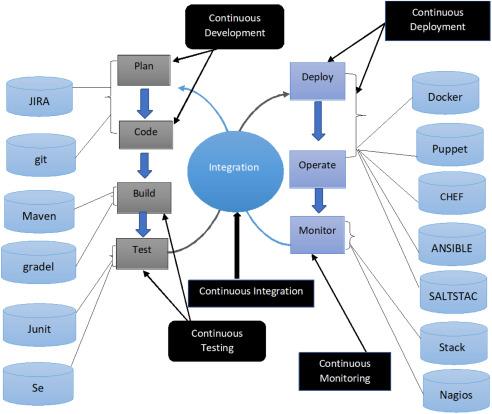
- Continuous Integration/Continuous Deployment (CI/CD): Building pipelines for rapid and reliable software updates.
- Monitoring and Performance: Ensuring uptime, tracking request performance, and swiftly resolving incidents.
- security and Compliance: Safeguarding sensitive student and staff data, meeting strict compliance standards.
- Collaboration: Acting as a bridge between developers, IT staff, and educators for efficient project delivery.
- Cloud Migration and Management: Managing cloud infrastructure to provide scalable and flexible learning environments.
Key Skills Required for DevOps Engineers in Educational technology
Employers in the education sector look for DevOps Engineers who combine technical prowess with a keen understanding of educational requirements. Whether you hope to work at a leading university or an innovative K-12 school, these core competencies are crucial:
Technical Skills
- Scripting and Automation: Proficiency in languages such as Python, bash, or PowerShell for automating tasks.
- source Control Management: Experience with Git or other version control systems for collaborative development.
- CI/CD Tools: Using Jenkins, GitLab, or GitHub Actions to automate build, test, and deployment processes.
- Configuration management: Tools like Ansible, Puppet, or Chef for managing infrastructure consistency.
- Containerization and Orchestration: Familiarity with Docker, Kubernetes, and related technologies for scalable application delivery.
- Cloud Platforms: Knowledge of AWS, Azure, or Google Cloud Platform, as cloud environments are integral to education technology.
- Monitoring and Logging: implementing tools such as Prometheus, Grafana, ELK Stack, or Datadog to maintain system health.
- Networking and Security: Understanding protocols, firewalls, and encryption to protect sensitive education data.
Soft Skills
- Problem-Solving: Quickly diagnosing and resolving system or deployment issues.
- Communication: Effectively collaborating with multidisciplinary teams,including non-technical educators.
- Adaptability: Remaining agile in a fast-changing tech landscape and learning new tools or processes as needed.
- Attention to Detail: Ensuring robust automation scripts, secure configurations, and compliance with regulations.
The Impact of DevOps Engineers on Modern Education Systems
DevOps has a far-reaching impact on how universities,colleges,and schools deliver education today. By introducing automation, continuous monitoring, and seamless cloud integration, DevOps Engineers enable institutions to:
- Accelerate Digital Transformation: Quickly roll out new e-learning platforms, online assessment tools, and virtual classrooms.
- Enhance Reliability: Maintain high system uptime, ensuring students and staff can access resources whenever needed.
- Improve Security: Reduce vulnerabilities and protect sensitive facts through automated security updates and continuous monitoring.
- Support Scalability: Adapt to changing user loads during peak periods, such as admissions or exam seasons, without downtime or service degradation.
- Enable Personalized Learning: Support data-driven educational initiatives and adaptive learning systems through reliable IT infrastructure.
Real-World Example
As an example, as more institutions adopt Learning Management Systems (LMS) such as Moodle and Canvas, DevOps Engineers streamline the deployment and scaling of these systems. automation ensures updates do not disrupt classes, while monitoring tools alert technical teams before minor issues escalate. CI/CD practices enable rapid iteration of IT services,directly enhancing the learning experience for students and educators.
Benefits of Hiring DevOps Engineers in Education technology
The introduction of DevOps practices in educational environments offers several important advantages:
- Cost Efficiency: automation and better resource management reduce operational costs.
- Faster Innovation: New features and improvements are delivered more quickly, keeping institutions at the forefront of educational technology.
- Increased Agility: Institutions can respond rapidly to changing educational needs, such as the sudden shift to remote learning.
- Better Compliance: Automated checks and auditing support adherence to data privacy and regulatory requirements.
- Enhanced Collaboration: Breaking down silos between IT operations, developers, and educators leads to better project outcomes.
Practical Tips for Job Seekers Aspiring to Become DevOps Engineers in Education
If you’re interested in landing a DevOps Engineer job at a university, college, or school, consider these actionable tips:
1. Build a Solid technical Foundation
Gain hands-on experience with industry-standard tools and platforms.Pursue certifications like AWS Certified DevOps Engineer or Certified Kubernetes Administrator to stand out.
2. Understand the Educational Context
Familiarize yourself with the unique needs of educational institutions—security, accessibility, and compliance. Experience with educational software or LMS platforms is a big plus.
3. Demonstrate Your DevOps Mindset
Highlight your ability to collaborate, automate, and solve problems.Showcase projects where you’ve streamlined processes or improved system reliability.
4. Master Cloud and Automation
Educational institutions are rapidly adopting cloud solutions. Become proficient in cloud automation, cost management, and hybrid cloud environments.
5.Stay Curious and Keep Learning
Education technology is always evolving. Regularly update your skills, attend edu-tech conferences, and participate in online communities focused on DevOps in education.
devops Engineer Job Opportunities in Educational institutions
The demand for DevOps Engineers in education is on the rise. Institutions are keen to hire professionals who can:
- Ensure the stability and scalability of learning platforms.
- Automate routine IT tasks to free up educators for more meaningful work.
- Introduce tools that foster innovation and personalized learning.
- Help meet compliance and cybersecurity requirements.
Whether you aim for a position in a university’s IT department, a K-12 school district, or a college’s e-learning unit, your DevOps skills will be highly valued and impactful.
Conclusion: Shaping the Future of Education Through DevOps
DevOps Engineers are playing a transformative role in the education sector. By automating complex processes, enhancing system reliability, and supporting innovative learning solutions, they are revolutionizing how universities, colleges, and schools operate. If you aspire to make an impact in educational technology, mastering the key DevOps skills and adopting a collaborative, innovative mindset will position you at the forefront of this exciting field.
Now is the perfect time to pursue a DevOps career in education technology. By combining your technical expertise with a passion for supporting learning, you can help shape the digital classrooms of tomorrow.