
How DevOps Engineers are Revolutionizing Education Systems: Skills, Roles, and Impact
In today’s digital-first world, education technology (EdTech) is at the heart of innovation in universities, colleges, and schools. with institutions striving to deliver seamless online learning experiences, the demand for skilled DevOps engineers has soared. If you’re a job seeker eager to break into the education sector as a DevOps engineer, understanding the transformative role you can play is crucial. In this extensive guide, we’ll explore how DevOps engineers are revolutionizing education systems, outlining the essential skills, primary roles, and the significant impact you can make in this field.
Why DevOps Engineering is Crucial in Education Technology
Modern educational institutions rely on a plethora of digital tools—Learning Management Systems (LMS), virtual classrooms, student portals, and cloud-based platforms. Seamless performance and reliability of these technologies are non-negotiable.Here’s where DevOps engineers come in, bridging the gap between software advancement and IT operations to streamline, automate, and optimize the delivery and maintenance of educational tech solutions.
- Accelerated Deployment: Continuous integration and deployment of new features and learning resources with minimal disruption.
- Reliability: Ensuring digital platforms are available to students and educators around the clock.
- Security: Protecting sensitive student data and maintaining compliance with privacy standards.
Key Roles and Responsibilities of DevOps Engineers in EdTech
DevOps engineering roles in universities, colleges, and schools are multi-faceted, demanding a blend of technical expertise and problem-solving acumen. Here’s what you’ll typically be responsible for when working as a DevOps engineer in educational technology:
- Automation of Workflows: Automating repetitive tasks, such as software deployment, testing, and scaling of educational resources, to improve efficiency and reduce manual errors.
- Cloud Infrastructure Management: Implementing and managing scalable cloud solutions to host learning applications, portals, and databases securely and efficiently.
- Continuous Integration/Continuous Deployment (CI/CD): Designing pipelines that allow rapid delivery of code changes, updates, and bug fixes, ensuring educators and students always have access to the latest technology.
- Monitoring and Performance Tuning: Monitoring request performance in real time, troubleshooting issues, and optimizing resources to deliver smooth online learning experiences.
- Collaboration: Working closely with software developers,IT administrators,instructional technologists,and academic staff to align technology solutions with educational goals.
- Security and Compliance: Implementing security best practices and ensuring all EdTech solutions comply with data privacy regulations in education (like FERPA or GDPR).
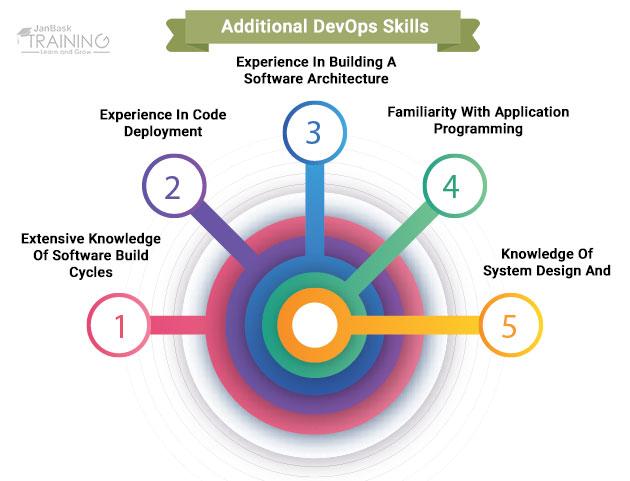
Essential DevOps Skills for Careers in Education Technology
If you’re aspiring to work as a DevOps engineer in the education sector, these in-demand skills will give you a competitive edge:
- Proficiency in Cloud Platforms: Experience with AWS, Azure, or Google Cloud is highly valued for deploying scalable and resilient EdTech applications.
- Containerization and Orchestration: Familiarity with Docker and Kubernetes to enable efficient resource utilization and rapid scaling.
- Automation Tools: Mastery of tools like Jenkins, Ansible, Terraform, or Puppet for deploying and managing infrastructure as code.
- Coding and Scripting: Solid skills in Python, Bash, or PowerShell for automated workflow development and troubleshooting.
- System Monitoring: Experience with monitoring solutions like Prometheus, Grafana, or Nagios to proactively manage uptime and performance.
- Cybersecurity Fundamentals: Knowledge of network security, encryption, and vulnerability management to guard sensitive academic data.
- Dialog Skills: Ability to translate complex technical solutions into clear, actionable guidance for non-technical stakeholders.
The Impact of DevOps Engineers on Modern Education Systems
Hiring DevOps engineers is a game-changer for schools,colleges,and universities aiming to offer superior digital learning experiences. Here’s the profound impact DevOps professionals have on education technology:
- Scalability for Growing class Sizes: With cloud automation and elastic infrastructure, DevOps engineers ensure systems can handle thousands of concurrent users, essential for massive online courses and hybrid learning models.
- Innovation at Speed: DevOps practices enable rapid experimentation and deployment of new educational tools, fostering innovation in teaching and learning.
- High System Uptime: Proactive monitoring and self-healing infrastructure minimize downtime, critical for global learners in different time zones.
- Data-Driven Insights: Automated data pipelines allow educational leaders to monitor student engagement, track learning progress, and make informed decisions.
- Enhanced Security: Automated vulnerability scanning and patching routines create a safer environment for all users.
Benefits of working as a DevOps Engineer in the Education Sector
A DevOps engineering career in education technology comes with unique advantages, especially for those passionate about shaping the future of learning:
- Meaningful Impact: Your work directly enhances students’ access to quality education and supports faculty in delivering modern teaching experiences.
- Dynamic Projects: You’ll tackle interesting challenges,from integrating AI-powered tools to supporting immersive virtual reality classrooms.
- Job Stability: Education institutions are consistently investing in digital infrastructure, ensuring steady demand for DevOps expertise.
- Continuous Learning: The fast-evolving nature of edtech keeps your skills sharp and your work intellectually stimulating.
- Collaborative Culture: Work in cross-functional teams with educators, developers, instructional designers, and administrators.
practical Tips for Job Seekers: Landing a DevOps engineer Role in Education Technology
Ready to join the EdTech revolution? here are essential tips to help you stand out and secure a DevOps engineering position in schools, colleges, or universities:
- Tailor Your Resume: Highlight experience specifically related to EdTech, cloud deployment, CI/CD pipelines, and security in your job applications.
- Showcase Relevant Projects: Build a portfolio with sample automation scripts, cloud infrastructure designs, or contributions to open-source EdTech platforms.
- Stay Current with EdTech Trends: Familiarize yourself with popular learning management systems, student facts systems, and emerging tech in education.
- Gain Certifications: Credentials like AWS Certified DevOps Engineer, Kubernetes Administrator, or Azure DevOps Engineer are highly valued.
- Network with EdTech Professionals: Attend education technology conferences, webinars, or local meetups to connect with peers and hiring managers.
- Prepare for Targeted Interviews: Expect scenario-based questions about deploying, scaling, and securing learning environments. Demonstrate your ability to collaborate with educators as well as IT professionals.
- Show Passion for Education: Institutions value candidates who are motivated to improve learning outcomes, not just system performance.
Future Trends: What’s Next for DevOps in Education Technology?
As digital transformation accelerates, the role of DevOps engineers in educational institutions is set to become even more significant. Here’s what the future holds:
- AI and Automation: Expect deeper integration of AI-powered analytics and automated grading systems, requiring agile automation expertise.
- Smarter Learning Environments: Cloud-based, data-driven platforms will demand complex monitoring and security practices.
- Personalized Education: DevOps professionals will enable adaptive learning platforms that cater to each student’s needs.
- Edge Computing: As classrooms adopt IoT devices and AR/VR, DevOps engineers will orchestrate edge deployments and secure local data.
Conclusion
DevOps engineers are at the forefront of the digital revolution reshaping education systems worldwide. By fostering rapid innovation, enhancing system reliability, and ensuring secure, scalable solutions, DevOps professionals empower educators and students alike. If you’re passionate about technology and making a tangible difference, a DevOps engineering role in the education sector offers a rewarding, impactful career. Equip yourself with the right skills,stay curious,and take the next step toward revolutionizing learning experiences for the next generation.