
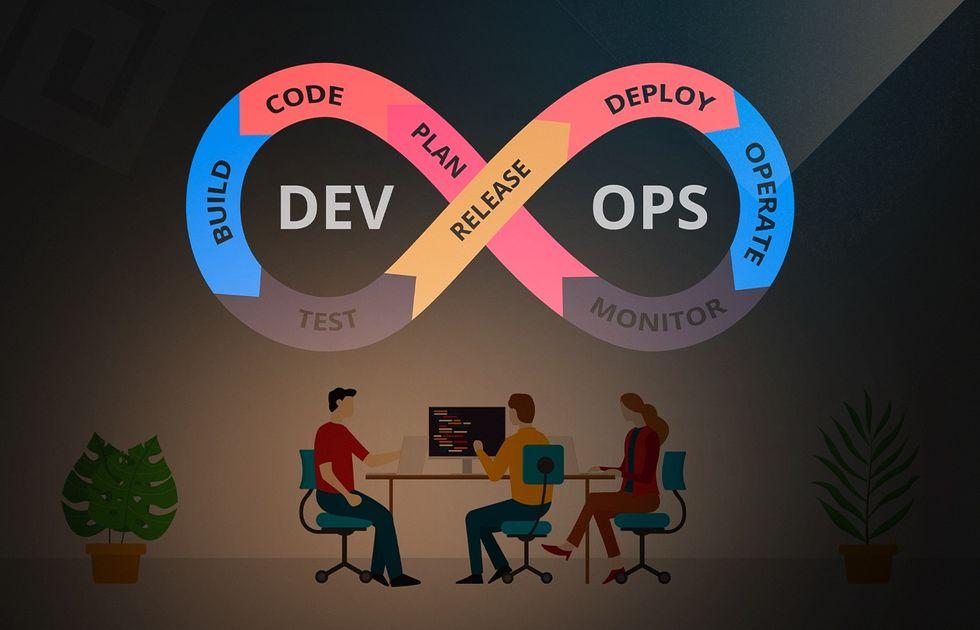
How DevOps Engineers Are Revolutionizing Education Systems: Skills, Roles & Impact
In todayS rapidly evolving educational landscape, technology is reshaping the way universities, colleges, and schools deliver learning experiences. At the heart of this digital change are DevOps Engineers. Combining software development and IT operations, DevOps professionals are instrumental in optimizing educational technology (EdTech), ensuring seamless digital infrastructure, and driving continuous innovation. If you are a job seeker eager to make an impact in academic settings, exploring a career as a DevOps Engineer in education systems could be your next big step. In this article, we’ll delve into the pivotal roles, skills, and transformative impact of devops Engineers in education technology, along with practical tips for aspiring professionals.
The growing Importance of DevOps in Education technology
As educational institutions embrace digital platforms for teaching, management, and collaboration, the demand for robust, scalable, and secure technology systems has soared. DevOps Engineers bridge the gap between software development and operations, making sure educational services are not onyl innovative but also reliable. Key reasons for the rising demand for DevOps in education include:
- Accelerated adoption of Learning Management Systems (LMS),virtual classrooms,and cloud-based applications.
- Continuous integration of new digital tools and resources to enhance both teaching and learning.
- Growing need for seamless, 24/7 accessibility to educational resources from anywhere.
- Focus on cybersecurity, data privacy, and compliance with education regulations.
Key Roles and Responsibilities of DevOps Engineers in Academic Institutions
DevOps Engineers play diverse and critical roles within educational environments. Here’s what their day-to-day responsibilities typically involve:
1. Automating Deployment and Infrastructure
- Automating the building, testing, and deployment of software applications, such as LMS and student information systems.
- Setting up Infrastructure as Code (IaC) to simplify the management of servers, databases, and cloud platforms.
- Ensuring consistent and error-free updates to educational software.
2. Ensuring System Reliability and Scalability
- Implementing monitoring tools to detect and resolve system issues before they impact students or faculty.
- Scaling infrastructure to accommodate peak loads during exam periods or online events.
- Improving system uptime and disaster recovery readiness.
3. Enhancing Security and Compliance
- Securing networks and sensitive student data against cyber threats.
- Enforcing security best practices aligned with regulations like FERPA and GDPR.
- Conducting regular vulnerability assessments and incident response drills.
4. Facilitating Collaboration
- Creating seamless workflows between development,QA,and IT teams.
- Implementing CI/CD pipelines to streamline code integration and quality assurance.
- Using collaboration tools to support agile methodologies and faster delivery cycles.
Essential Skills for DevOps Engineers in Education Technology
To excel as a devops Engineer in the education sector, candidates should possess a blend of technical and soft skills tailored to the nuances of academic environments:
Technical Skills
- Cloud Platforms: Proficiency in managing AWS, Azure, or Google Cloud for deploying educational apps.
- Configuration Management: Experience with Ansible, Puppet, or Chef for automating server setup.
- Continuous Integration/Delivery: Hands-on work with Jenkins, GitLab CI, or similar tools.
- Containerization: Knowledge of Docker and Kubernetes for scalable deployments.
- Monitoring & Logging: Familiarity with Prometheus,Grafana,ELK Stack,and other monitoring solutions.
- Security Best Practices: Understanding encryption, access controls, and compliance requirements.
- Scripting & Programming: Skills in Python, Shell, or PowerShell for automation.
Soft Skills
- Problem-Solving: Ability to troubleshoot and resolve technical challenges quickly.
- Interaction: Comfortable explaining technical concepts to non-technical stakeholders like teachers and administrators.
- Teamwork: Collaborative spirit to work effectively with cross-functional teams.
- Continuous Learning: Eagerness to stay updated on the latest DevOps and EdTech trends.
The Impact of DevOps Engineers on Modern Education Systems
The contribution of DevOps Engineers goes far beyond technical upkeep—they are transforming the entire educational experience. Here’s how their impact is felt across universities, schools, and colleges:
- Improved User Experience: Reliable and responsive platforms meen fewer disruptions for students and educators.
- Faster Innovation: Automation and rapid deployment cycles allow for quicker rollouts of new features and technology.
- enhanced Security: Proactive security measures safeguard personal data and intellectual property.
- Cost efficiency: Optimized infrastructure reduces operational costs and maximizes resource utilization.
- Stronger Collaboration: Streamlined workflows lead to better communication and productivity across departments.
Benefits of a DevOps career in Education Technology
- Purpose-Driven Work: Help shape the future of learning and directly impact student outcomes.
- Growing Job Market: Increased investment in EdTech drives demand for skilled DevOps professionals.
- Dynamic Work Surroundings: Prospect to work with cutting-edge tools and emerging technologies.
- professional Growth: Chance to advance into leadership roles such as DevOps Manager or CTO in academic institutions.
practical Tips for Job Seekers: Breaking into DevOps in Education
If you are eager to land a job as a DevOps Engineer in education technology, these strategies can definitely help you stand out:
- Earn Relevant Certifications: Industry-recognized certificates in AWS, Azure, Kubernetes, or DevOps Fundamentals can bolster your resume.
- Experience Matters: Build a portfolio showcasing your work on automation, cloud deployments, or security in real or simulated EdTech projects.
- Network: Attend education technology conferences, join online forums, and connect with professionals working in academic IT.
- Stay Informed: Regularly read industry publications to stay updated on EdTech trends and new tools.
- Highlight Soft Skills: Demonstrate your ability to communicate, collaborate, and solve problems in multi-disciplinary teams.
- Customize Your Submission: Tailor your CV and cover letter to highlight your passion for education and expertise in relevant technologies.
conclusion
DevOps Engineers are revolutionizing education systems by bringing agility, innovation, and security to the digital platforms that support learning and administration. As universities, colleges, and schools continue their journey into the digital age, skilled DevOps professionals will remain at the forefront of shaping effective and resilient education technology solutions. If you are passionate about technology and education, a DevOps role in academia offers a fulfilling career path with opportunities for growth, learning, and making a real-world impact. Start cultivating the right skills and seize the chance to play a vital role in the future of education technology.