
How DevOps Engineers Are Revolutionizing Modern Education Systems
In today’s digitally driven world, education technology is advancing at an unprecedented pace. DevOps engineers have emerged as essential players in transforming how universities, colleges, and schools operate and innovate.If you’re a job seeker considering a role as a DevOps engineer within education, understanding how your skills can shape the future of learning is crucial. This comprehensive guide will walk you through the impact,benefits,and career insights surrounding DevOps engineering jobs in education technology.
the Vital role of DevOps Engineers in Education Technology
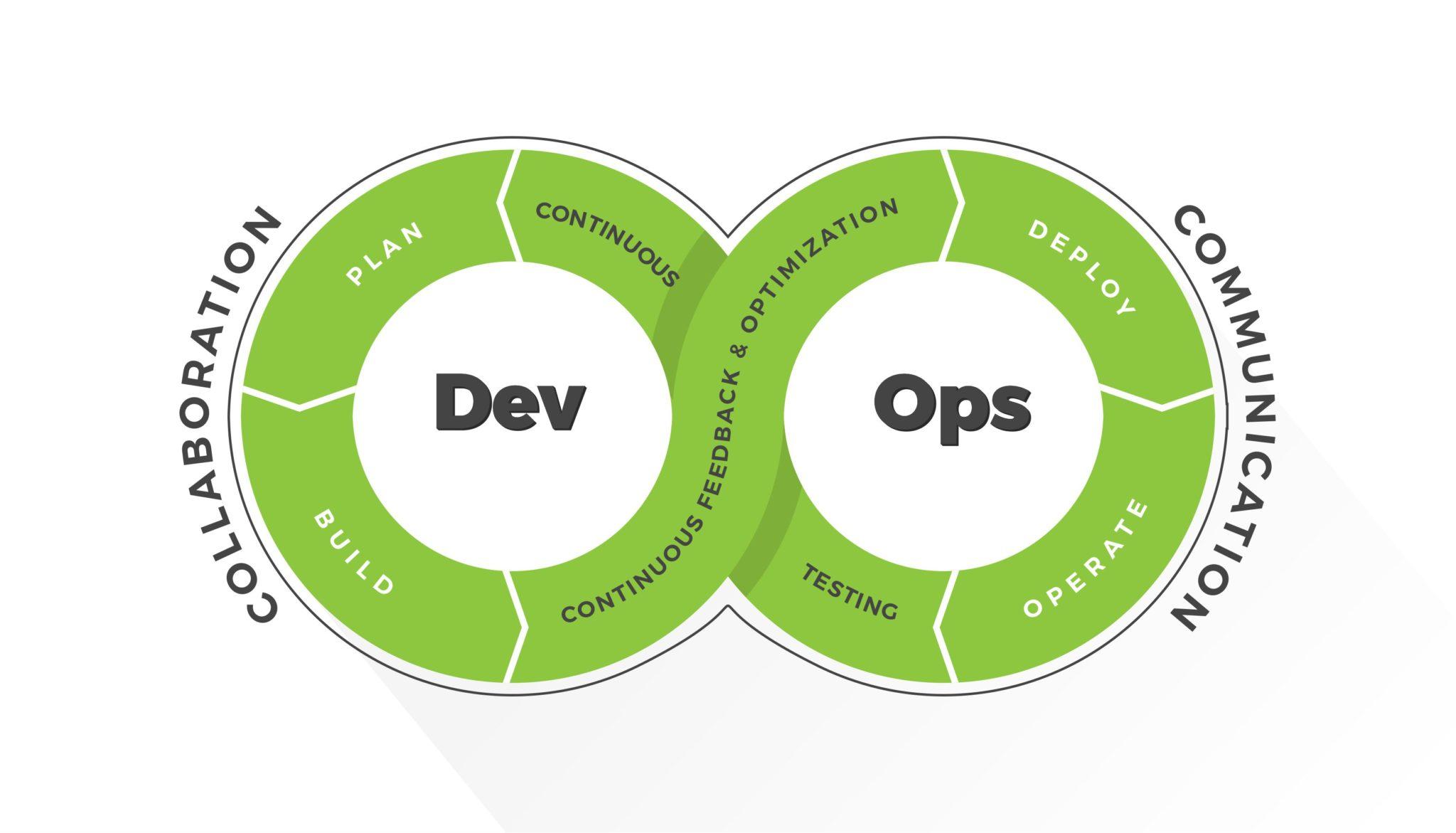
DevOps engineers bridge the gap between software advancement and IT operations, ensuring faster, more reliable, and scalable deployment of technology solutions. In the education sector, these professionals are tasked with developing, deploying, and managing the critical infrastructure behind learning management systems, virtual classrooms, grading platforms, and secure student data systems.
Core Responsibilities of DevOps Engineers in Educational Institutions
- Automation: Streamlining repetitive tasks such as code releases, updates, and configuration management, ensuring that new features reach educators and students quickly.
- Continuous Integration and Continuous Delivery (CI/CD): Applying best practices to reduce deployment errors and rapidly roll out new tools across campuses.
- Scalability: Architecting solutions that can handle thousands of simultaneous users,especially during peak periods such as online exams or registration windows.
- Security: Implementing robust security protocols to protect sensitive academic data and guard against cyber threats.
- Monitoring and Troubleshooting: Using advanced monitoring solutions to detect and resolve issues before they affect the learning experience.
How DevOps Is Transforming Modern Education Systems
The shift toward digital classrooms, remote learning, and hybrid models has highlighted the importance of agility and reliability in educational services.DevOps methodologies enable universities and schools to innovate more rapidly, providing students and faculty with the best possible digital learning experiences.
Key Areas of Conversion
- Faster Deployment of Educational Tools: Automated pipelines mean quicker access to new apps,updates,and resources.
- Enhanced Collaboration: DevOps practices foster collaboration across development, IT, and instructional design teams, resulting in solutions tailored to educators’ and students’ needs.
- Cost Savings: Automation and efficient infrastructure management reduce operational costs, freeing up budgets for academic pursuits.
- improved Reliability and Uptime: Proactive monitoring and quick recovery strategies ensure round-the-clock availability, crucial for remote learning environments.
- Personalized Learning Experiences: DevOps enables timely integration of AI and data analytics, supporting adaptive learning and custom educational pathways.
Benefits of Working as a DevOps Engineer in Education Technology
Choosing a DevOps career path in educational settings comes with distinct advantages for tech professionals:
- Purpose-Driven Work: Contribute to a mission of empowering students and educators through better technology.
- Diverse Tech Ecosystems: Work with a variety of platforms, from on-premises data centers to cloud-native tools like AWS, Azure, Google Cloud, and open-source solutions.
- Job security: As educational institutions rapidly adopt digital solutions, the demand for skilled DevOps engineers continues to rise.
- Opportunities for Innovation: Experiment with new technologies, such as containerization (Docker, Kubernetes), Infrastructure as Code (Terraform, Ansible), and serverless architectures.
- Collaboration and Growth: Engage with multidisciplinary teams, enhancing communication, leadership, and project management skills.
Essential Skills for DevOps Engineers in Educational Institutions
for job seekers aiming to land a DevOps role in universities,colleges,or schools,having a robust set of technical and soft skills is key. Here’s what matters most:
- Cloud Computing: Experience with cloud platforms and hybrid infrastructures.
- Automation tools: Proficiency with CI/CD tools (Jenkins, GitLab CI, GitHub Actions), configuration management tools, and scripting.
- Coding and Scripting: Python, Bash, and PowerShell are commonly needed.
- Security Best Practices: Knowledge of data privacy and cybersecurity regulations specific to education, such as FERPA.
- collaboration Skills: Ability to work across technical and non-technical teams, effectively communicating challenges and solutions.
- Problem-Solving Aptitude: Eagerness to troubleshoot and resolve issues rapidly, minimizing downtime.
Practical Tips for Landing a DevOps Job in Education Technology
To break into the world of education technology as a DevOps engineer, consider these actionable steps:
- Build a Portfolio: Showcase projects that illustrate your automation, deployment, and monitoring skills. Open-source contributions relevant to edtech are a plus.
- Certifications Matter: Credentials such as AWS Certified devops Engineer, Microsoft Certified: DevOps Engineer Expert, or Kubernetes certifications are highly regarded.
- Understand EdTech Needs: Research common technology stacks in higher education and K-12 environments. Familiarize yourself with learning management systems, digital assessment tools, and student information platforms.
- Highlight Security Awareness: Emphasize your knowledge of data protection, especially in handling student and academic records.
- Network with Education Professionals: Attend edtech conferences, webinars, or local meetups to connect with industry insiders and hiring managers.
- Tailor Your Resume: Use keywords like “education technology DevOps,” “DevOps engineer in schools,” and “edtech infrastructure” to increase your resume’s visibility in applicant tracking systems.
Future Trends: What’s Next for DevOps in Education?
Education technology is continually evolving, and DevOps engineers will play a pivotal role in shaping its future. Here are a few trends to watch:
- AI-Driven Automation: Incorporating machine learning to further streamline system monitoring, predictive scaling, and personalized learning interventions.
- Greater Focus on Accessibility: Ensuring that digital platforms are accessible to all students, including those with disabilities, through automated testing and compliance integrations.
- Expanded Use of Gamification: Enabling the rapid deployment and reliable maintenance of interactive, game-based learning environments.
- edge Computing Adoption: Supporting low-latency access to digital content in remote or underserved regions, bridging the digital divide.
- Enhanced Data Privacy: Adapting to global changes in data protection laws and security protocols affecting educational records.
Conclusion: Join the DevOps Revolution in Education
DevOps engineers are not just maintaining servers—they are the backbone of modern education technology, enabling seamless learning experiences for millions. As universities, colleges, and schools intensify their digital transformation, your expertise in automation, cloud infrastructure, and security can make a measurable difference. If you’re seeking a rewarding tech career that combines innovation, purpose, and growth, becoming a DevOps engineer in education is an outstanding path to pursue. Embrace the challenge and join a community of professionals who are revolutionizing the future of education,one deployment at a time.