
How DevOps Engineers Are Transforming Education Systems: Essential Skills and Best Practices
In today’s rapidly evolving academic landscape, education technology (EdTech) has become the backbone of innovative teaching, streamlined operations, and enhanced student experiences. Behind these technological advancements, DevOps engineers play a pivotal role, ensuring that universities, colleges, and schools leverage the best of modern IT practices. If you’re a job seeker aspiring to work in edtech as a DevOps engineer, understanding your impact, essential skills, and industry best practices is vital to building a successful career. Explore this thorough guide to discover how DevOps engineers are revolutionizing the education sector and find actionable tips to stand out in the job market.
Introduction: The Growing Role of DevOps in Education Technology
The rise of digital learning platforms, AI-driven student assessment tools, cloud-based classrooms, and data analytics has dramatically increased the demand for reliable, scalable, and secure IT infrastructures. DevOps engineers in education technology are central to designing, deploying, and maintaining these systems. Their expertise bridges the gap between software progress and IT operations, accelerating innovation in academic institutions.
Institutions seek DevOps professionals to spearhead automation,continuous integration,and rapid deployment,ensuring minimal downtime for mission-critical educational services.those entering the field have a unique possibility to make a tangible impact on how students learn and educators teach.
Key Responsibilities of DevOps Engineers in the Education Sector
DevOps engineering in academia comes with a blend of customary IT management and cutting-edge automation. Here are some core responsibilities you’ll encounter in EdTech roles:
- Infrastructure Automation: using tools like Ansible, Terraform, or Puppet to automate provisioning and management of servers, networks, and cloud services.
- Continuous Integration/Continuous Deployment (CI/CD): Implementing pipelines with platforms such as Jenkins, GitLab CI, or Azure DevOps to ensure seamless delivery of new features and updates.
- monitoring and Performance: Deploying solutions like Prometheus, Grafana, or Splunk to monitor system health and optimize performance, thus ensuring uninterrupted access to online learning resources.
- Security and Compliance: Safeguarding sensitive student and faculty data by enforcing security best practices, vulnerability scanning, and compliance with standards like FERPA and GDPR.
- Collaboration: Working closely with IT, teaching staff, and developers to align technical solutions with academic objectives.
- Disaster Recovery and Backup: Managing robust backup strategies and disaster recovery plans to protect educational data and ensure business continuity.
Essential Skills for DevOps Engineers in Education Technology
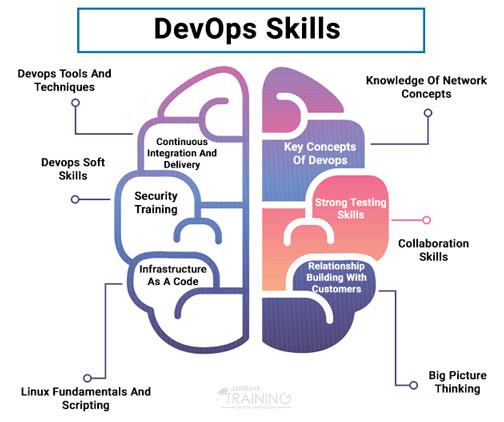
Landed or targeting a DevOps Engineer job in EdTech? Below are the essential DevOps skills that universities, colleges, and schools expect from top candidates:
Technical Skills
- Cloud Platforms: Proficiency with AWS, Azure, or Google Cloud to support flexible, scalable learning environments.
- Automation Scripting: Hands-on with Python, Bash, or PowerShell for automating tasks and workflows.
- Containerization: Experience with Docker and Kubernetes to deploy and orchestrate applications securely and efficiently.
- Source Control: Mastery in Git for effective code collaboration and version control.
- configuration Management: Expertise in Chef, Puppet, or Ansible for consistent and reliable infrastructure deployment.
Soft Skills
- Problem-Solving: Ability to quickly troubleshoot and resolve technical issues affecting critical online resources.
- Communication: Clear documentation and ability to explain technical concepts to non-technical stakeholders, such as educators and governance staff.
- Teamwork: Effective collaboration with cross-functional teams to deliver educational technology solutions tailored to institutional needs.
- Adaptability: Willingness to embrace new tools, methodologies, and ever-evolving educational requirements.
Benefits of DevOps in Academic Institutions
Implementing DevOps principles goes far beyond IT efficiency. Here’s how DevOps engineers benefit universities and schools:
- Accelerated Innovation: Faster deployment of new digital tools and platforms,empowering educators to experiment with cutting-edge teaching methods.
- Increased Reliability: Automated monitoring and swift issue resolution minimize system disruptions, ensuring 24/7 access to learning resources.
- Cost optimization: Efficient resource utilization, cloud adoption, and automation can significantly reduce operational costs.
- Enhanced Security: Consistent updates, patches, and security policies protect sensitive information from breaches and attacks.
- Scalability: Seamless scaling to accommodate peak demands during exams, remote learning surges, or new academic initiatives.
- Student and Staff Satisfaction: A seamless,responsive,and reliable digital experience fosters higher engagement and success for both students and faculty.
Best Practices for DevOps Engineers in Education Technology
To thrive and drive real change in EdTech environments, DevOps engineers must adopt industry best practices:
1. Automate Everything
- Automate routine tasks, deployments, and testing to free up time for innovation and reduce human error.
- Utilize Infrastructure as Code (IaC) for version-controlled and repeatable surroundings provisioning.
2. Emphasize Security from the Start
- Integrate security into every stage of the software development lifecycle (DevSecOps approach).
- regularly update permissions, monitor for vulnerabilities, and educate the team on security best practices.
3. Monitor Proactively
- Set up comprehensive logging and monitoring for early detection of performance bottlenecks and incidents.
- Schedule regular audits and system health checks.
4.Foster a Culture of Collaboration
- Break down silos between IT, educators, and developers to promote shared goals and faster problem-solving.
- Encourage knowledge-sharing sessions and documentation.
5. Prioritize Continuous Learning
- stay updated with the latest DevOps tools, cloud technologies, and educational software trends.
- Pursue relevant certifications and attend industry conferences tailored to education and DevOps.
Career Tips for Aspiring DevOps Engineers in Education Technology
Looking to launch or grow your DevOps career in universities, colleges, or schools? Here are practical steps to help you stand out:
- Gain Real-World Experience: Volunteer for projects in academic institutions, participate in EdTech hackathons, or build your own education-focused DevOps portfolio.
- Tailor Your Resume: Highlight experiences and skills relevant to educational infrastructure, data security, and collaborative tools.
- Network with EdTech Professionals: Join online communities, attend industry meetups, and connect with recruiters specializing in education technology.
- Understand Regulatory Requirements: Familiarize yourself with compliance standards affecting educational data, such as FERPA, COPPA, and GDPR.
- Showcase Soft Skills: Demonstrate teamwork, communication, and adaptability—qualities highly appreciated in education settings.
- Stay Passionate About Learning: A genuine interest in educational change will set you apart and keep you motivated.
Conclusion: Shaping the Future of Education Through DevOps
The role of DevOps engineers in education technology is more crucial than ever, driving the digital transformation of schools, colleges, and universities. By mastering essential skills, embracing best practices, and continuously learning, you can become an invaluable asset to academic institutions striving to provide world-class digital experiences. whether you’re just starting or looking to advance your career, the opportunities in EdTech DevOps are abundant. Start building your future now and play a part in revolutionizing how the world learns!