
How DevOps Engineers Are Transforming Education Systems: Key Skills & Career Insights
As educational institutions increasingly embrace technology to enhance learning and streamline operations, the demand for skilled devops Engineers in education technology has surged. Whether it’s at universities, colleges, or schools, DevOps engineers play a pivotal role in modernizing infrastructure, enabling seamless digital learning experiences, and ensuring the security and scalability of digital platforms in education. This article delves deep into how DevOps engineers are revolutionizing education systems, explores essential skills, provides valuable career insights, and offers practical tips for job seekers aiming to make a mark in the EdTech sector.
The Role of DevOps Engineers in Education Technology
Traditionally, educational institutions have relied on legacy IT systems that often result in slow development cycles, security vulnerabilities, and inefficiencies. Enter DevOps engineers, the technology professionals responsible for bridging gaps between software development and IT operations.In the context of education technology, DevOps engineers enable institutions to:
- Deploy and update digital learning platforms rapidly
- automate administrative tasks for faculty and staff
- Maintain robust, scalable, and secure cloud-based systems
- Support remote and hybrid learning environments
- Ensure maximum uptime and user satisfaction for students and teachers
By fostering a culture of collaboration, automation, and continuous improvement, DevOps engineers are laying the foundation for the future of education technology jobs.
How DevOps Is Transforming Education Systems
Education systems across the globe are undergoing a digital conversion, and DevOps practices are critical to this evolution. Here’s how DevOps engineers are making a tangible difference:
1. Enhancing Digital Learning Platforms
With the proliferation of Learning Management systems (LMS), virtual classrooms, and educational mobile apps, ensuring these platforms run smoothly is crucial. DevOps engineers implement:
- Continuous Integration/Continuous Deployment (CI/CD) pipelines for rapid updates
- Automated testing to maintain high-quality learning resources
- Real-time monitoring and incident response to address downtime swiftly
2.Improving Student and Faculty Experience
Downtime and technical glitches can disrupt the learning process. DevOps teams ensure optimal performance by:
- Scaling resources dynamically during peak usage (exams, enrollment periods)
- Implementing robust backup and disaster recovery systems
- Enhancing security to protect sensitive student and faculty data
3. Supporting EdTech Innovation
DevOps engineers empower faculty and students to innovate by providing:
- Flexible, on-demand computing resources for research projects
- Self-service deployment environments for classroom coding assignments
- Integration of cutting-edge tools and platforms that enrich instruction
Key Skills for devops Engineers in education Technology
Pursuing a DevOps engineer career in EdTech requires a blend of technical and soft skills tailored to the unique needs of educational institutions. Some of the most in-demand DevOps skills for education technology roles include:
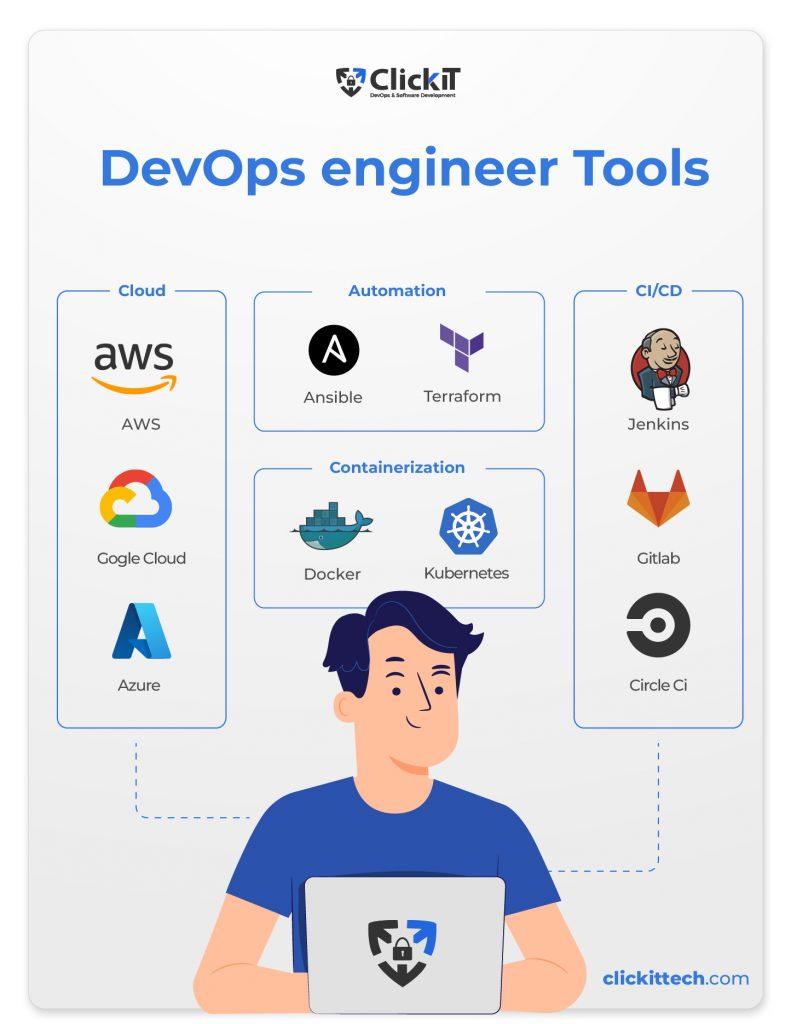
- Cloud Computing: Proficiency in cloud platforms like AWS, Google Cloud, or Azure for scalable infrastructure management.
- Automation & Scripting: Expertise in scripting languages (Python, Bash, PowerShell) for automating repetitive tasks.
- CI/CD Pipelines: Experience building and maintaining continuous integration and delivery workflows.
- Containerization & Orchestration: Knowledge of Docker, Kubernetes, and related tools for portable, resilient deployments.
- Security Best Practices: Familiarity with compliance requirements and tools for securing users’ data in the education sector.
- Monitoring & incident Response: Ability to set up monitoring (Prometheus,Grafana) and devise incident management processes.
- Collaboration & Interaction: Strong interpersonal skills to work closely with educators,administrators,and IT staff.
- Problem-Solving: Analytical thinking to diagnose and resolve technical issues quickly.
bonus Skills
- understanding of FERPA and other education-related data regulations
- Experience with infrastructure as Code (IaC) tools such as Terraform or Ansible
- Familiarity with Agile or Scrum project management methodologies
Career Insights: Opportunities for Aspiring devops Engineers in EdTech
The education technology job market is expanding rapidly, with universities, colleges, and even K-12 schools seeking DevOps expertise to support e-learning, research, and campus IT operations. Here’s what job seekers can expect:
1. Diverse Work Environments
- Higher education (universities & colleges): Managing complex,multi-departmental infrastructure and research platforms.
- K-12 schools: Supporting digital classrooms, student facts systems, and district-wide initiatives.
- EdTech software vendors: Building scalable SaaS products used by educational institutions worldwide.
2.In-Demand Job Titles
- DevOps Engineer, Education Technology
- Cloud Infrastructure Engineer (Education Sector)
- Site Reliability Engineer (SRE) for Digital Learning Systems
- DevOps Specialist, School IT Operations
3. competitive Salaries and Benefits
While compensation can vary based on location and institution size, DevOps engineers in education typically enjoy:
- Competitive salaries
- Comprehensive benefits packages (healthcare, tuition reimbursement, retirement plans)
- Flexible work arrangements, including options for hybrid or remote roles
4. Impactful, Mission-Driven work
DevOps engineers in EdTech are uniquely positioned to make a meaningful difference in student outcomes and institutional success—solving challenges that directly improve access to quality education.
Benefits of a DevOps Career in Education Technology
Choosing a DevOps career in education technology offers several rewards beyond a typical tech job:
- Purpose-Driven Work: Contribute to shaping the future of education and empowering learners of all ages.
- Continuous Learning: Exposure to the latest cloud, security, and automation technologies in a fast-evolving surroundings.
- Career Growth: Opportunities for advancement into senior engineering, architecture, or IT leadership roles.
- collaborative Culture: Work closely with diverse teams of educators, administrators, and tech professionals.
- Job Security: Increasing institutional investment in digital transformation fuels long-term demand for DevOps expertise.
Practical Tips for Landing DevOps Jobs in Education Technology
Ready to break into the world of DevOps engineering in EdTech? Follow these actionable strategies to boost your chances of success:
1. Build relevant Technical Skills
- Develop a strong foundation in cloud platforms and automation tools commonly used in EdTech.
- Showcase your experience with CI/CD,containerization,and infrastructure as code on your resume.
- Earn certifications like AWS certified DevOps Engineer or Google Professional DevOps Engineer.
2. Gain Experience in Educational Settings
- Volunteer for IT projects at local schools or universities to build domain-specific experience.
- Contribute to open-source EdTech initiatives or tools relevant to learning environments.
3. Demonstrate soft Skills
- Highlight your communication and collaboration abilities in interviews and applications.
- Emphasize situations where you solved real-world problems for non-technical users.
4. Tailor Your Submission
- Customize your resume and cover letter to address the unique needs of educational institutions.
- Mention any knowledge of FERPA or data privacy compliance in the education sector.
5. Leverage Networking
- Connect with professionals in the education technology field via conferences,webinars,or professional associations.
- Participate in EdTech forums and online communities to stay updated and visible to recruiters.
Conclusion: Shaping the Future of Education with DevOps
The integration of DevOps practices in education technology is accelerating institutional innovation, accessibility, and efficiency across universities, colleges, and schools. DevOps engineers are not only streamlining IT operations and automating workflows—they are actively shaping the future of learning for millions of students worldwide. For job seekers passionate about both technology and education, a career as a DevOps engineer in EdTech offers both challenge and reward, with a chance to make a tangible, lasting impact.
If you’re aspiring to join this transformative field, start by honing your DevOps skills, understanding the unique dynamics of educational institutions, and connecting with like-minded professionals. Your expertise could become the backbone of tomorrow’s digital classrooms and campuses.