
How DevOps Engineers Are Transforming Education Systems: Roles, Skills, and Impact
Education technology is rapidly evolving, creating new opportunities and challenges for universities, colleges, and schools worldwide. As digital change accelerates in the academic sector, the demand for skilled DevOps engineers in education technology is soaring. If you are aspiring to contribute to the dynamic world of edtech, understanding how DevOps engineers are transforming education systems can help you make a meaningful impact and advance your career.
Introduction to DevOps in Education Technology
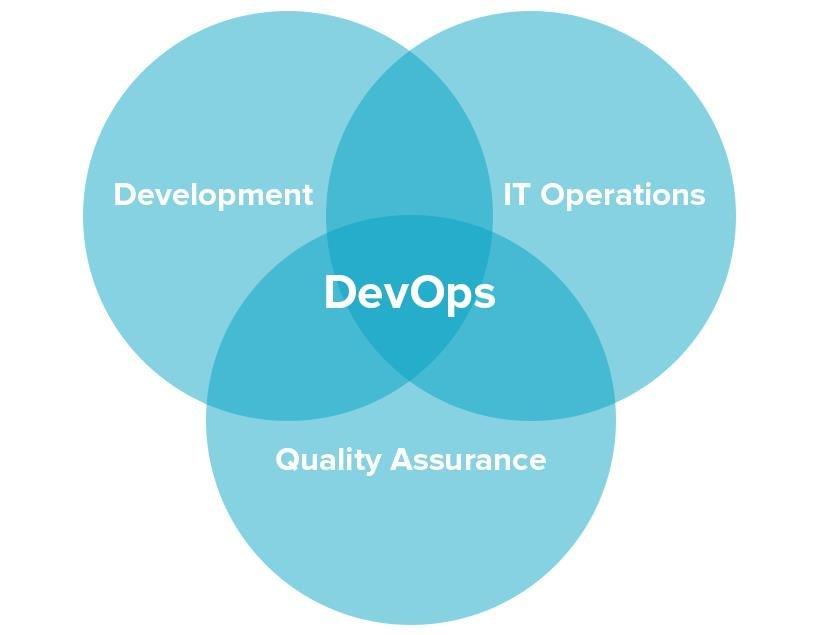
DevOps has become a crucial methodology for driving automation, collaboration, and efficiency in software development and IT operations. In the landscape of education, DevOps engineers bridge the gap between development and operations teams, ensuring rapid delivery of robust educational tools, platforms, and digital services. Universities, colleges, and schools increasingly rely on DevOps practices to seamlessly deploy learning management systems, adapt to remote learning, and maintain secure, scalable infrastructures.
The Evolving Role of the DevOps Engineer in Education
DevOps engineers play a pivotal role in modern educational institutions. Their primary obligation is to streamline software deployment pipelines, reduce downtime, and maintain the resilience and scalability of IT infrastructure. This ensures that faculty, students, and administrators have uninterrupted access to essential digital resources. Let’s explore the key roles and responsibilities you may undertake as a devops engineer in an educational surroundings:
- Infrastructure as code (IaC): Automating infrastructure setup and management for platforms like Moodle, Canvas, or custom LMS solutions.
- Continuous Integration and Continuous Deployment (CI/CD): Setting up pipelines for rapid release cycles, enabling faster adoption of new academic features.
- Cloud Migration and Management: Helping institutions move to scalable, cost-effective cloud platforms while ensuring compliance with data privacy regulations.
- Security and Compliance: Implementing and monitoring security best practices relevant to student and faculty data, ensuring compliance with frameworks like FERPA or GDPR.
- Automated Testing and Monitoring: Ensuring reliable performance of educational applications through automated testing and performance monitoring tools.
- Collaboration and Interaction: Facilitating effective communication between developers,IT staff,academic leaders,and end-users to deliver technology solutions tailored to academic needs.
Essential Skills for DevOps Engineers in Education technology
Educational institutions look for DevOps engineers with a robust blend of technical and soft skills tailored to the unique challenges of edtech environments. To excel in devops jobs at universities, colleges, or schools, you should focus on developing these core competencies:
Technical Skills
- Cloud Computing: expertise with AWS, Azure, or Google Cloud for scalable deployments.
- Infrastructure Automation: Familiarity with tools like Terraform, Ansible, or Puppet to manage complex systems efficiently.
- containerization: Proficiency in Docker and Kubernetes for deploying educational applications in portable and scalable environments.
- CI/CD Tools: Experience with Jenkins, GitLab CI, Travis CI, or similar pipeline tools.
- programming and Scripting: Knowlege of Python,Bash,or PowerShell for automating repetitive tasks.
- Monitoring and Logging: Implementing solutions such as Prometheus,Grafana,or ELK Stack to track system health and identify issues proactively.
- Security Best Practices: Understanding secure coding, encryption, vulnerability assessment, and compliance requirements specific to education data.
Soft Skills
- Collaboration: Working closely with faculty, developers, IT teams, and administrators to align technology with educational goals.
- Problem-Solving: Quickly identifying and addressing issues to minimize service interruptions.
- adaptability: Keeping up with rapidly evolving edtech trends and institutional needs.
- Communication: Translating complex technical concepts for diverse audiences within the institution.
The Impact of DevOps Engineers on Education Systems
The work of DevOps engineers in education technology brings about ample changes that benefit students, faculty, and administrative staff alike. Here’s how their expertise transforms learning environments:
- Enhanced Learning Experience: Reliable access to online resources, interactive platforms, and assessment tools.
- Scalability for Remote Learning: Seamless scaling of systems to support thousands of simultaneous users, vital for remote or hybrid education models.
- Faster Innovation Cycles: Rapid delivery of new features, bug fixes, and enhancements tailored to evolving curricula and teaching methods.
- Improved Data Security and Compliance: strong safeguards for sensitive student and faculty data,building trust with stakeholders and meeting legal obligations.
- Cost Efficiency: Optimized infrastructure and automated workflows lead to significant savings for educational institutions.
Benefits of a DevOps career in Education Technology
Pursuing a role as a DevOps engineer in education offers more than technical challenges—it comes with unique professional and personal rewards:
- Purpose-driven Work: Make a direct impact on the quality of education and student success.
- Job Stability: High demand for DevOps engineers in both public and private academic institutions.
- Continuous Learning: Ongoing opportunities to master new tools,technologies,and teaching methodologies within a rapidly changing sector.
- Collaborative Environment: Engage with passionate educators, administrators, and IT professionals in a mission-driven setting.
Practical Tips for Landing a DevOps Job in Education
Excited to embark on a career as a DevOps engineer in education technology? Here are actionable steps to enhance your prospects with universities, colleges, or schools:
- Build Relevant Experience: Contribute to open-source edtech projects, or volunteer for non-profit educational initiatives to showcase your commitment and skills.
- Certifications: Obtain certifications in cloud platforms (AWS Certified DevOps Engineer, azure DevOps Solutions, or Google professional DevOps Engineer) and in key DevOps tools.
- Tailor Your Resume: Highlight experience with education technologies (LMS, SIS, online assessment platforms) and prior work with secure, compliant data systems.
- showcase Soft Skills: Demonstrate your ability to work in interdepartmental teams and adapt technology to solve real educational challenges.
- Stay Updated: Follow trends such as AI in education,adaptive learning platforms,or digital campus solutions to anticipate institutional needs.
- Network Effectively: Attend edtech conferences, webinars, and online forums to connect with professionals already working in academic environments.
Challenges and Solutions for DevOps in Education
While the role of a devops engineer in education technology is rewarding, it comes with its own set of challenges:
- Legacy Systems: Many schools and universities still use outdated platforms. DevOps engineers play a crucial role in migrating and integrating legacy systems with modern solutions.
- Budget Constraints: Institutions often face limited funds, making cost-efficient automation and open-source solutions critical.
- Compliance and Security: Education data is highly sensitive. Keeping up with evolving data protection laws is a continuous task.
- Change Resistance: Faculty and administrative staff may be hesitant to adopt new systems. DevOps engineers need to enable smooth transitions through training and clear documentation.
By leveraging automation, advocating for scalable cloud-native solutions, and championing user-friendly interfaces, DevOps professionals can address these obstacles and demonstrate the value of modern engineering practices in education.
Conclusion: The Future of DevOps Engineering in Education Technology
The future of education is driven by digital innovation and robust IT practices. As institutions increasingly depend on technology to deliver quality learning experiences, the contributions of DevOps engineers grow ever more critical. By mastering the intersection of automation, collaboration, and digital transformation, DevOps professionals are not just maintaining infrastructure—they are shaping the next generation of educational systems.
If you are passionate about harnessing technology to improve learning outcomes and institutional efficiency, a career as a DevOps engineer in education technology could be your ideal pathway. Equip yourself with the right skills, stay adaptable, and be prepared to leave a lasting mark on the education sector.