
How DevOps Engineers Are Transforming Education Systems: Roles, Skills & Impact
In today’s rapidly evolving digital landscape, education institutions—ranging from K-12 schools to universities—are under immense pressure to innovate and streamline their technology infrastructures. DevOps engineers are at the forefront of this conversion, playing a pivotal role in modernizing education systems, enhancing student experiences, and enabling educators with seamless, scalable, and secure technological solutions. Whether you’re an aspiring DevOps engineer or a job seeker interested in education technology careers, understanding how DevOps is revolutionizing schools, colleges, and universities is crucial for your next career move.
Introduction: The Rise of DevOps in Education Technology
Education technology, commonly known as EdTech, continues to surge in importance as educational institutions strive for agility, reliability, and innovative digital experiences. This surge has created a important demand for DevOps engineers who can bridge the gap between software development and IT operations. But what exactly does a DevOps engineer do in an educational setting? And how is this role transforming education systems for the better?
This extensive guide explores the vital roles, skills, and real-world impact of DevOps engineers in the education sector. We’ll also share practical tips and highlight the benefits of pursuing a DevOps career in education technology.
What Does a DevOps Engineer Do in Education?
DevOps engineers in schools, colleges, and universities are responsible for integrating the development and operational aspects of software systems that support learning, administration, and research. They ensure the technologies used in education are:
- Highly available
- Secure
- Scalable
- Easy to maintain and update
Some typical responsibilities of DevOps engineers in education include:
- Automating Deployment Pipelines: Setting up CI/CD pipelines for seamless updates and releases of digital platforms (e.g., Learning Management Systems, library portals).
- Monitoring System performance: Proactively identifying bottlenecks in e-learning platforms, ensuring smooth online classes and examinations.
- Cloud Infrastructure Management: Transitioning legacy systems to the cloud for increased reliability and cost efficiency.
- Enhancing Security: Implementing robust security measures to protect sensitive student and faculty data.
- Collaboration and Dialog: Acting as a bridge between software developers, IT support teams, and educational staff.
- Disaster Recovery Planning: Ensuring data continuity and system resilience in the event of outages or cyber threats.
Key Roles of DevOps Engineers in Education Technology
DevOps professionals wear many hats in education. Some of their specialized roles at universities, colleges, and schools include:
- Infrastructure as Code (IaC) Specialist: Automating the provisioning of servers and networks, making scaling up or down as simple as running a script.
- Continuous Integration/Continuous Deployment (CI/CD) Expert: Speeding up submission delivery cycles while reducing errors.
- Cloud Operations Engineer: Migrating conventional systems to cloud platforms like AWS, azure, or Google Cloud tailored for educational needs.
- Security and Compliance Enforcer: Ensuring compliance with regulations such as FERPA and GDPR, vital for educational data handling.
- Monitoring and Support Analyst: Providing real-time system monitoring, incident response, and troubleshooting support during peak learning periods.
Essential Skills for DevOps Engineers in Education
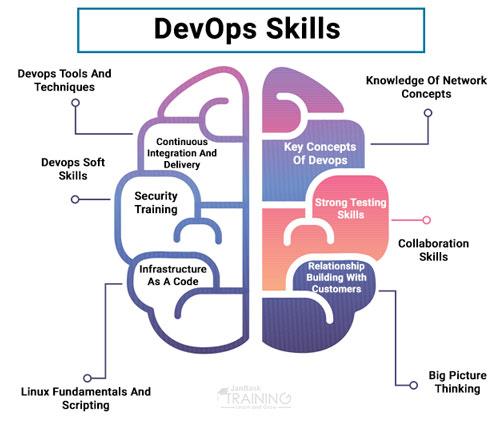
If you aspire to work as a DevOps engineer in education, you’ll need a mixture of technical and soft skills. Here’s what institutions are looking for:
Technical Skills
- Proficiency with Cloud Platforms: AWS, Azure, and Google Cloud are commonly used for hosting educational platforms.
- Automation Tools: Jenkins, Ansible, Puppet, and Chef for automating deployment and configuration tasks.
- Containerization & Orchestration: Docker and Kubernetes for deploying and managing applications reliably at scale.
- Scripting: Strong command of scripting languages such as Python, Bash, or PowerShell.
- Version Control: Experience with Git for tracking changes and enabling collaboration.
- Monitoring Solutions: Familiarity with tools like Nagios, Prometheus, and Grafana to monitor services and infrastructure health.
- Security Best Practices: Understanding of educational data privacy requirements and cybersecurity principles.
Soft Skills
- Problem-Solving: Quickly diagnosing and resolving technical issues affecting students and staff.
- Communication: Translating tech jargon into plain language for non-technical educators and administrators.
- Collaboration: Working across silos to ensure educational technology works seamlessly for all users.
- Adaptability: Staying up-to-date and adapting to the unique digital needs of educational environments.
Impact of DevOps Practices on Education Systems
DevOps engineers drive tangible improvements in educational settings. Here are some key ways they are making a difference:
- Faster Updates and innovation: Rapidly release new features in digital classrooms and portals,reducing system downtime and enhancing student engagement.
- Improved System reliability: Consistent uptime even during high-stress periods like enrollment or examination weeks.
- Enhanced Security: Protection from data breaches and ransomware attacks, ensuring the privacy of students and faculty.
- Cost Optimization: Making the most of cloud-based solutions to reduce infrastructure costs and administrative overhead.
- Scalable learning Experiences: Supporting online learning, hybrid classrooms, and university research collaborations with robust, scalable solutions.
- Better Collaboration: DevOps breaks down barriers between development, IT, and academia, driving transparency and shared ownership of digital resources.
Benefits of a DevOps Career in Education Technology
Pursuing a DevOps role in education technology offers unique professional advantages:
- Mission-driven Work: contribute to meaningful projects that shape the future of learning and research.
- Job Stability: Demand for DevOps engineers is growing as educational institutions digitalize.
- Career Growth: Opportunities to advance into leadership roles or specialize in cloud architecture, security, or automation.
- Cultural Diversity: Work in vibrant, multicultural environments with students, professors, and researchers from around the world.
- Work-Life Balance: Educational organizations often foster supportive workplaces that prioritize well-being.
Practical Tips for Job Seekers Interested in DevOps Roles in Education
- Tailor Your Resume: Highlight project experience relevant to educational systems—such as deploying e-learning platforms or ensuring data compliance.
- Demonstrate Soft Skills: Emphasize your ability to communicate with non-technical stakeholders and work as part of an interdisciplinary team.
- Certifications Matter: consider industry certifications in cloud (AWS Certified DevOps Engineer, Azure DevOps), or security (Certified Facts Systems Security Professional).
- Build a Portfolio: Showcase your experience through personal projects or contributions to open-source educational software.
- Stay Current: Keep learning about emerging trends in EdTech, cybersecurity, and DevOps best practices.
- Network: Join education technology communities and attend events (on-campus or online) to connect with industry professionals.
Conclusion: Shape the Future of learning as a DevOps Engineer in Education
DevOps engineers are shaping the future of education by driving innovation, reliability, and security across digital platforms used in universities, colleges, and schools. With the right blend of technical and interpersonal skills, DevOps professionals in the education sector can make a profound impact on teaching, learning, and research. Whether you’re starting out or transitioning from another industry, a career in education technology offers enriching opportunities to grow while contributing to meaningful, transformative change in society.If you’re ready to be part of the next wave of digital transformation in education, consider pursuing a DevOps engineer role—your expertise could be the key to unlocking smarter, more connected learning experiences for generations to come.