
How devops Engineers are Transforming Education Systems: Skills, roles, and Career Insights
Are you seeking an impactful, future-proof job in education technology? As universities, colleges, and schools rapidly embrace digital transformation, the importance of skilled DevOps engineers in the education sector has surged. Curious about how DevOps engineers are reshaping education systems, the skills you’ll need, and the exciting career paths available? This thorough guide will address all your questions with expert insights, practical tips, and everything you need to start your EdTech DevOps journey.
Why DevOps Engineering Is Essential for Modern education Systems
Over the past decade, education technology (EdTech) has evolved from simple learning management systems to robust, cloud-based platforms supporting online classes, digital assessment, and collaborative tools.As the backbone of these platforms,DevOps engineers play a critical role in enabling reliable,scalable,and secure educational experiences for both students and faculty.
- Streamlined Deployments: DevOps practices automate the deployment process, reducing downtime for learning management systems and digital classrooms.
- Improved Collaboration: DevOps culture bridges the gap between software progress and IT operations, allowing EdTech teams to innovate faster and more efficiently.
- Enhanced Security: With rising concerns around student data privacy,DevOps engineers embed security into every stage of the application lifecycle.
- Scalable Infrastructure: DevOps enables educational institutions to scale resources on demand during peak periods such as admissions or exams.
The Key Roles and Responsibilities of DevOps Engineers in Education Technology
The role of a DevOps engineer in educational settings involves more than just managing servers or writing scripts. Here’s a closer look at the diverse responsibilities you may encounter in a university, college, or school:
- Cloud Infrastructure Management: Deploying and maintaining scalable, cost-effective infrastructure on platforms like AWS, Azure, or Google Cloud for edtech solutions.
- Automation: Building CI/CD pipelines to automate code testing, deployment, and monitoring for learning management systems and other education platforms.
- Monitoring & Troubleshooting: Setting up real-time monitoring to proactively detect and resolve issues, ensuring minimal disruption to digital learning experiences.
- Security & Compliance: Enforcing security best practices and adhering to compliance standards such as FERPA or GDPR,protecting sensitive student information.
- Collaboration: Working closely with software developers, curriculum designers, and IT teams to foster a culture of continuous delivery and advancement.
- Disaster Recovery Planning: Designing and testing robust backup and recovery strategies to minimize data loss during unexpected events or cyberattacks.
Essential Skills for Aspiring DevOps Engineers in EdTech
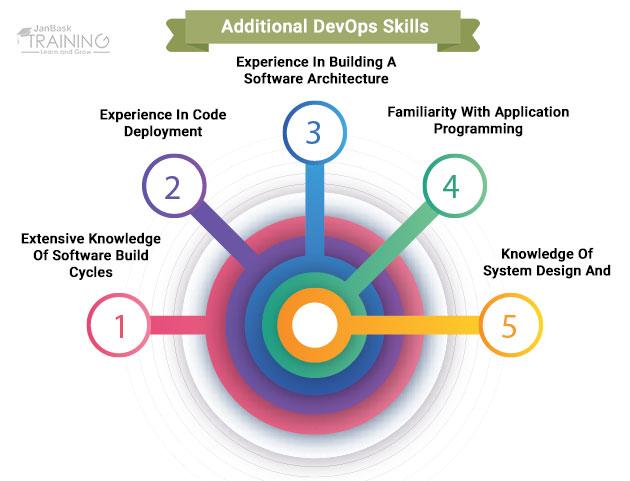
If you’re aiming for a DevOps role in education, you’ll need a blend of technical and soft skills tailored to the unique demands of the sector. Here’s what recruiters at universities, colleges, and schools are looking for:
Technical Skills
- Cloud Platforms: Proficiency in AWS, google Cloud, or microsoft Azure, with experiance setting up virtual servers, storage, and networking.
- Infrastructure as Code (IaC): Familiarity with tools like Terraform, Ansible, or CloudFormation to automate infrastructure provisioning.
- Continuous Integration/Continuous Deployment (CI/CD): Knowledge of Jenkins, GitLab CI, or GitHub Actions to streamline application updates.
- Containerization: Hands-on experience with Docker and Kubernetes for deploying scalable education apps and services.
- scripting Languages: Python, Bash, or PowerShell skills for automating routine tasks and integrations.
- Monitoring Tools: Understanding of monitoring solutions like Prometheus, Grafana, or Datadog.
- Security Best Practices: Practical awareness of data protection, encryption, and compliance especially related to student data.
Soft Skills
- Collaboration: Ability to work closely with diverse campus stakeholders—IT staff, academic leadership, and educators.
- Problem-Solving: Adapting quickly to urgent technical issues that may impact learning delivery.
- Interaction: Explaining complex technical systems and solutions to non-technical audiences.
- Continuous learning: Staying updated with evolving technologies and emerging trends in education technology.
- Attention to Detail: ensuring the reliability and security of sensitive educational data and systems.
Career Opportunities for DevOps Engineers in Educational Institutions
The digital transformation across schools, colleges, and universities has opened vast career paths for DevOps engineers specializing in education technology—the demand is only set to grow. here are some common job titles and potential career tracks:
- DevOps Engineer for EdTech Platforms
- Cloud Solutions Architect – Higher Education
- Site Reliability Engineer (SRE) – Academic IT Systems
- Infrastructure Automation Specialist – K-12 Technology
- EdTech Security Operations Engineer
- DevOps Lead/Manager – University IT Services
With your expertise, you could work directly for a university, college, or school district, or collaborate with third-party edtech vendors serving educational institutions.
The Benefits of Working as a DevOps Engineer in EdTech
Choosing the education sector as your devops career destination presents a unique set of advantages:
- Meaningful Impact: Your work shapes how millions of students and educators access learning resources daily.
- Job Security: Educational institutions are stable employers with growing technology budgets.
- Continuous Learning: Exposure to cutting-edge technologies and the opportunity to experiment with new EdTech solutions.
- Collaborative Culture: Interdisciplinary teamwork with educators, IT professionals, and academic leaders.
- Work-Life Balance: Many schools and universities offer flexible work arrangements and generous benefits.
Practical Tips for Landing a DevOps Engineering role in Education Technology
- build a Portfolio: Demonstrate your skills with personal projects, open-source contributions, or freelance work related to EdTech systems.
- Get Certified: Earn certifications such as AWS Certified DevOps Engineer, Microsoft Certified: Azure DevOps Engineer, or Kubernetes certifications.
- Network in the EdTech Community: Engage in online forums, attend education technology conferences, or join local professional groups.
- Tailor Your Resume: Highlight experience with education systems,student data security,and cloud migration for academic platforms.
- Stay Informed: Follow the latest trends in digital learning platforms, FERPA/GDPR compliance, and EdTech security.
- Showcase Soft Skills: In interviews, emphasize your ability to translate technical solutions for educators and administrators.
Conclusion
The growth of education technology is creating unprecedented opportunities for DevOps engineers eager to make a difference. By mastering the right blend of technical and soft skills, you can help universities, colleges, and schools deliver robust, innovative learning platforms while securing a rewarding and future-ready career. Weather you’re just getting started or looking to transition from another tech field, EdTech DevOps offers a path where your expertise meets purpose and continual growth. Start your journey today,and become a driving force in the transformation of modern education.