
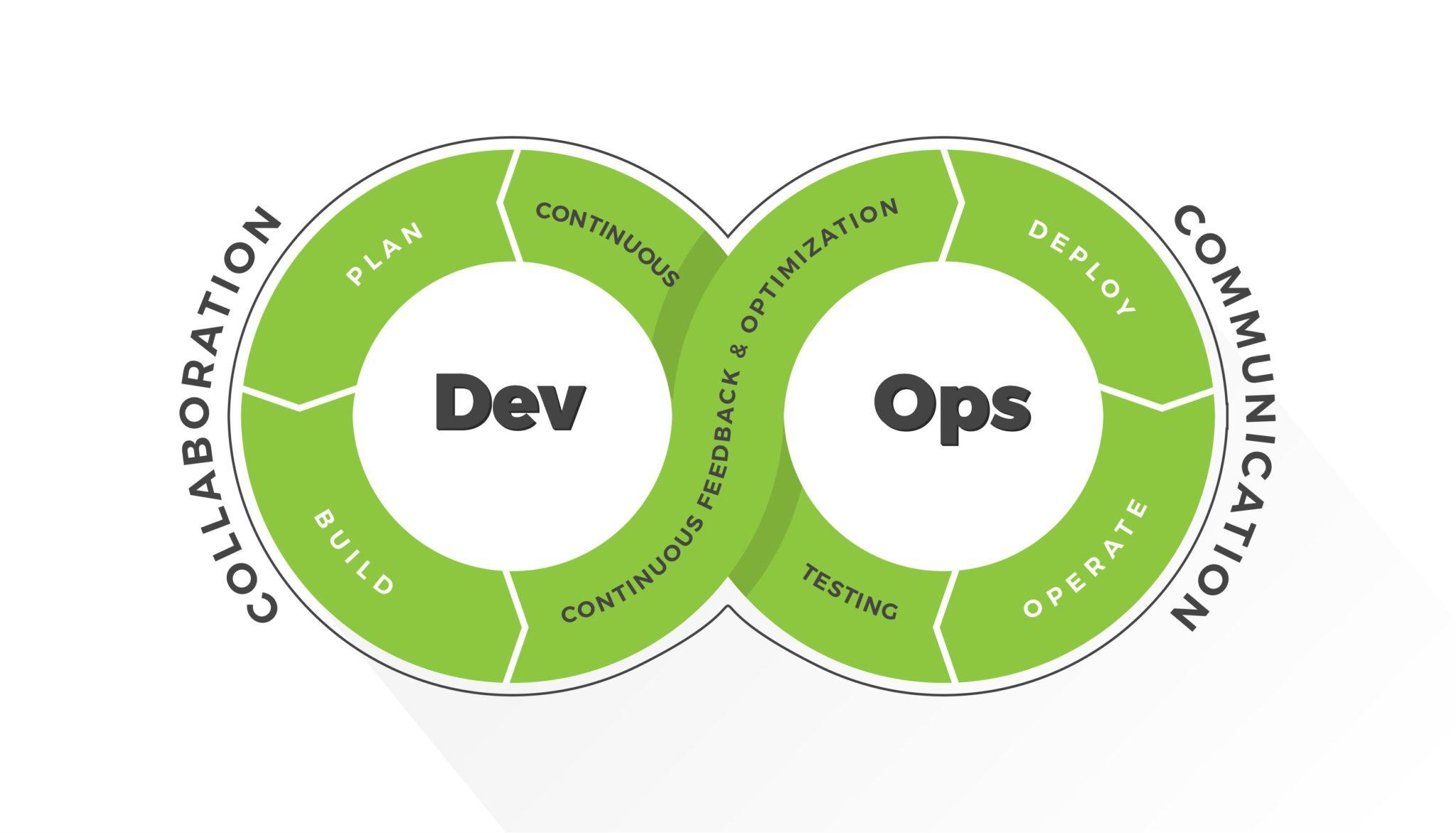
How DevOps Engineers Revolutionize Education Systems: skills,Tools & Impact
In today’s digital era,universities,colleges,and schools are embracing technology to deliver quality education and streamline administrative operations. At the heart of this conversion lies the DevOps engineer, whose expertise bridges the gap between IT advancement and operations, creating resilient, scalable, and secure educational platforms. If you’re eager to pursue a career in education technology, understanding how DevOps engineers revolutionize education systems can unlock endless opportunities. This comprehensive article explores the essential skills, tools, benefits, practical tips, and real impact of DevOps roles within educational institutions.
Introduction to DevOps in Education Technology
DevOps engineering is fundamentally reshaping how universities,colleges,and schools manage their digital infrastructure. From online learning platforms like Learning management Systems (LMS) to student facts systems and research tools, educational domains depend on smooth, secure, and scalable software operations. DevOps engineers orchestrate the collaboration between software development and IT operations, ensuring rapid delivery, reliability, and improved system performance.
This article provides valuable insights into:
- The evolution and significance of DevOps within the education sector
- Key devops skills for aspiring professionals
- Popular tools used in education technology environments
- Practical tips to land a devops job in universities, colleges, or schools
- The transformative impact of DevOps engineering on education systems
The Role of devops Engineers in Education Systems
Educational organizations increasingly rely on technology platforms to manage student data, facilitate virtual classrooms, automate administrative tasks, and even analyze learning outcomes. DevOps engineers are pivotal in:
- Developing and maintaining cloud-based infrastructure for scalability and remote access
- Automating deployment pipelines for educational applications and portals
- Ensuring data security and compliance with privacy regulations (e.g., FERPA)
- Monitoring system performance and conducting proactive troubleshooting
- Collaborating with developers, faculty, and IT staff to deliver seamless user experiences
Whether you’re aiming for a DevOps role at a university’s IT department, a college’s eLearning center, or a school’s technical support team, yoru contribution can drive innovation, efficiency, and accessibility across the institution.
Essential DevOps Skills for Educational Technology Jobs
To thrive as a DevOps engineer in education technology, job seekers shoudl cultivate a mix of technical, analytical, and communication skills. Here’s what most colleges, universities, and schools look for:
Technical Skills
- Cloud computing: Proficiency in platforms such as AWS, Azure, or Google Cloud for hosting scalable educational applications.
- Continuous Integration/Continuous Deployment (CI/CD): Expertise in automating software delivery pipelines using Jenkins, GitLab CI, or similar tools.
- Containerization: Experience with Docker and Kubernetes to manage and orchestrate applications reliably.
- Infrastructure as Code (IaC): Knowledge of Terraform or Ansible for defining infrastructure programmatically and maintaining consistency.
- Monitoring & Logging: Familiarity with Prometheus, Grafana, ELK Stack, or cloud-native monitoring tools to ensure system uptime and performance.
- Scripting & Automation: Mastery of scripting languages like Python,Bash,or PowerShell to automate repetitive tasks and enhance operational efficiency.
- Security: Understanding of cybersecurity best practices, data encryption, identity management, and compliance frameworks applicable to educational data.
Soft Skills
- excellent communication and collaboration with educators, administrators, and IT peers
- Problem-solving and analytical thinking when troubleshooting complex systems
- Adaptability in fast-evolving digital environments
- Project management and time management for juggling multiple priorities
the right blend of these technical and interpersonal skills empowers DevOps engineers to drive change and innovate within academic settings.
Popular DevOps Tools Used in Education Technology
DevOps tools serve as the backbone for maintaining robust educational platforms. Here’s an overview of the most commonly used tools in schools, colleges, and universities:
Cloud Infrastructure
- AWS Educate, Microsoft Azure for Education, Google Cloud for Education: Specialized programs providing scalable cloud services and educational resources.
Automation & deployment
- Jenkins, GitLab CI/CD: Automate code integration and deployment for online learning platforms and administrative apps.
- Ansible, Puppet, Chef: Streamline server configuration and submission updates.
Containerization & Orchestration
- Docker: Standardizes educational app environments for easy scaling.
- Kubernetes: Orchestrates containers, ensuring high availability for virtual classrooms and services.
Monitoring & Logging
- Prometheus, Grafana: Real-time system performance and alerting for educational networks.
- ELK Stack (Elasticsearch,logstash,Kibana): Centralizes logs,supporting fast troubleshooting and data analysis.
Security
- Vault, Cloud-native IAM: Manages credentials and access permissions securely.
- OpenVAS, Nessus: Automated vulnerability scanning to protect sensitive student and faculty data.
Learning these tools and showcasing your proficiency during the application process can position you as a sought-after candidate in education technology.
Benefits of Hiring DevOps Engineers in Education
Educational institutions hiring DevOps engineers experience myriad benefits that impact both the association and the student body:
- Efficient Deployment: Faster rollout of new educational technologies and digital content.
- Reliability: High availability of eLearning platforms, minimizing disruptions during lessons and exams.
- Scalability: systems can support growing student and faculty numbers, especially during peak registration or exam periods.
- Enhanced security: Robust data protection measures safeguard personal and academic information.
- Cost Savings: Automated processes and optimized infrastructure lower IT costs for universities, colleges, and schools.
- Innovation: Promotes adoption of new digital learning tools and research platforms.
By introducing DevOps best practices, educational organizations can better serve students and educators while advancing their institutional goals.
Practical Tips for Getting a DevOps Job in Universities, Colleges, or Schools
If you’re passionate about DevOps careers in education technology, these actionable tips can definitely help you stand out:
1. Enhance Your Education Technology Credentials
- Pursue certifications such as AWS Certified DevOps engineer, Azure DevOps Engineer Expert, or Certified Kubernetes Administrator (CKA).
- Complete online courses or bootcamps focused on DevOps tools used in academic environments.
2. Build a Specialized Portfolio
- Showcase projects involving LMS deployments, cloud migrations, automation scripts for education apps, or security hardening for student databases.
- Contribute to open-source educational technology initiatives.
3. Network and Gain Experience
- Connect with campus IT, education technology groups, and academic conferences to discover opportunities and industry trends.
- Consider internships, volunteering for campus tech projects, or freelance work with local schools.
4. Tailor Your Application
- Customize your resume and cover letter to highlight relevant DevOps skills, educational technology experience, and understanding of data privacy regulations.
- Emphasize your communication skills and ability to work in interdisciplinary teams.
5. Stay Updated
- regularly read about emerging technologies in education, such as AI in classroom analytics and cloud-native LMS solutions.
- Participate in webinars and online forums for DevOps engineers in education.
The combination of specialized skills and targeted professional development can accelerate your journey to a rewarding role in academic DevOps.
The Impact of DevOps Engineers on Modern education
DevOps engineers are transforming the landscape of education systems worldwide. Their work delivers tangible improvements, such as:
- Faster development and deployment of personalized learning platforms
- increased reliability of virtual classrooms, exam portals, and digital libraries
- Enhanced data protection, aligning with legal and ethical standards
- Real-time analytics empowering educators to make informed decisions
- Greater accessibility for remote learners and faculty
in essence, DevOps is enabling innovation and progress at every level of the education sector.By integrating best practices and advanced technology, these professionals play a vital role in preparing students for the future.
Conclusion: Shaping the Future of education Technology With DevOps
DevOps engineers are revolutionizing education systems by elevating reliability, scalability, security, and innovation at universities, colleges, and schools. For job seekers, this field offers abundant growth, meaningful impact, and diverse opportunities to contribute to the success of academic institutions. By developing key DevOps skills, mastering industry-leading tools, and understanding the requirements of educational organizations, you can position yourself at the forefront of education technology.
Whether you’re a seasoned IT professional or just starting, the demand for DevOps engineers in education technology will only continue to rise. Now is the perfect time to pursue a rewarding career where you help shape the future of learning,one deployment at a time.