
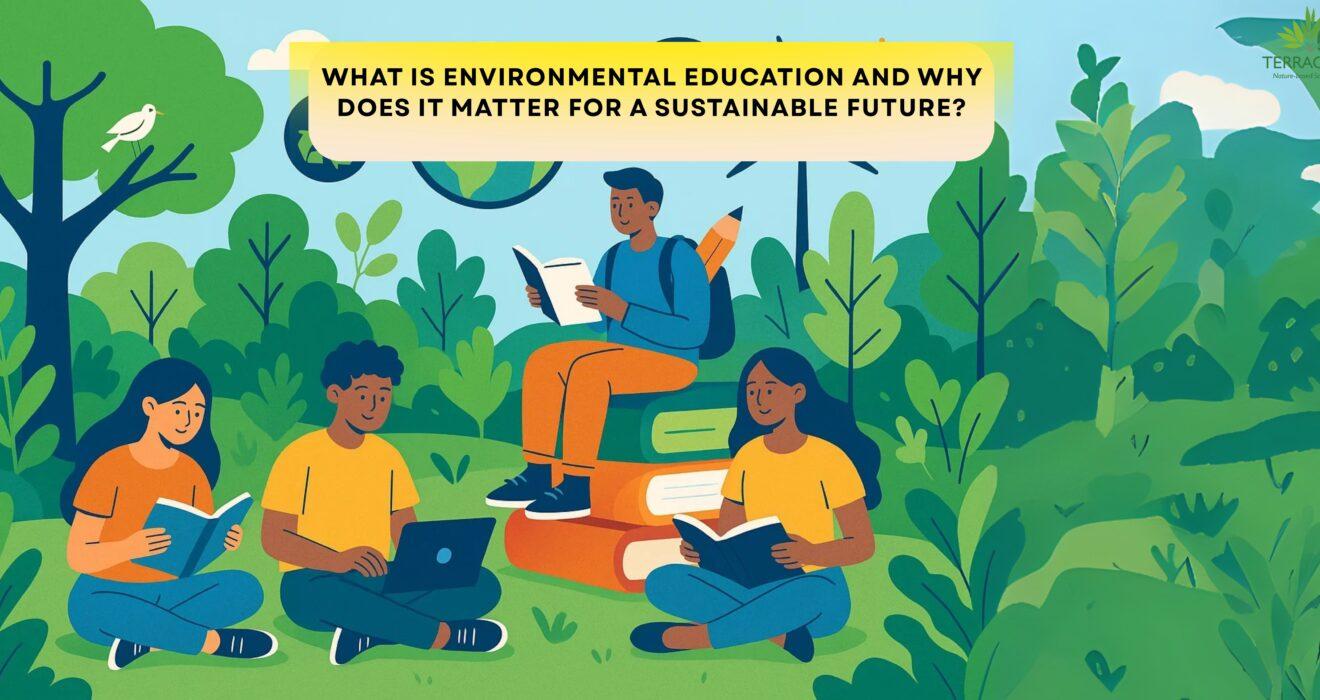
How EdTech is Revolutionizing environmental Education: A growing Intersection for Sustainable Learning
In today’s digitized world, the intersection of EdTech and environmental education stands as a beacon of hope for creating a greener, better future. Traditionally constrained to classrooms and textbooks, environmental science education is now experiencing a full-scale transformation through digital learning platforms, interactive apps, and immersive technologies. Sustainable learning is no longer just a buzzword—it’s becoming a practical reality, thanks to the innovative capabilities of EdTech. In this article, we’ll explore how EdTech is revolutionizing environmental education, the benefits it brings, practical tips to leverage it effectively, and inspiring real-world case studies.
Understanding the Synergy: EdTech Meets Environmental Education
Educational Technology (EdTech) encompasses a wide range of digital tools—including online learning platforms,mobile apps,virtual reality (VR),and gamification. When applied to environmental education, these tools empower students, educators, and lifelong learners to access up-to-date details, simulate real-world situations, and connect with global sustainability challenges on a personal level.
- Online courses and MOOCs: Make environmental science accessible to learners worldwide.
- Interactive simulations: allow users to visualize climate change scenarios and ecosystem interactions.
- Gamified apps: Engage students with quizzes, challenges, and rewards for eco-kind behavior.
- Remote sensing & data visualization: Provide real-time insights about pollution, deforestation, and biodiversity.
By integrating EdTech into environmental education, we foster a dynamic and engaging learning environment that transcends borders, languages, and resources.
Key Benefits of EdTech in Environmental Education
-
Accessible Learning for All:
Digital platforms overcome geographical and financial limitations, opening up environmental education to remote and underprivileged communities.
-
Personalized & Self-Paced Learning:
Learners can choose topics, levels, and learning paths tailored to their interests, ensuring higher engagement and knowledge retention.
-
Real-time Insights and Interactivity:
Students can interact with live datasets,take part in virtual eco-expeditions,or monitor global environmental phenomena as they unfold.
-
promotes Sustainable Thinking:
By simulating real-life consequences, EdTech helps instill a sense of duty and critical thinking about sustainability challenges.
-
Collaboration and Global Awareness:
Online classrooms and forums connect students across the globe, facilitating knowledge exchange and collaboration on sustainability projects.
Practical Tips: Maximizing EdTech for Sustainable Learning
-
Choose Evidence-based Platforms:
Select EdTech tools vetted by educators or environmental scientists for accuracy and relevance.
-
Leverage Gamification for Engagement:
Incorporate quizzes, points, and badges to motivate sustained learning and eco-friendly actions.
-
Create Virtual Field Trips:
Use augmented reality (AR) and VR to take students on virtual journeys through rainforests, coral reefs, or renewable energy plants.
-
encourage Collaborative Problem-solving:
Integrate group projects tackling real-world issues like plastic pollution or energy conservation, and use cloud-based collaboration tools.
-
Connect with Local Realities:
Make lessons relevant by bridging global data and trends with local environmental issues and solutions.
-
track Progress & Give Feedback:
Use assessments and personalized feedback to help learners connect knowledge with practical sustainable actions.
Real-World Success Stories: EdTech in Environmental education
1. Google Earth Voyager: Interactive Storytelling
Google Earth Voyager integrates multimedia narratives into interactive world maps,allowing students to explore deforestation in the Amazon,rising sea levels in the Pacific,and more. This hands-on approach fosters spatial awareness and a global outlook on environmental challenges.
2. Eco-Schools with Digital Platforms
The Eco-Schools program leverages online tools for engaging entire school communities in sustainability projects. Students share progress, access resources, and receive digital badges, creating a motivating ecosystem of sustainable learning.
3. Marine Life Education via VR with Ocean Rift
VR apps like Ocean Rift immerse students in underwater environments, allowing for close encounters with marine species and ecosystems. This experience deepens connections to marine conservation issues, surpassing what’s possible in conventional classrooms.
4. Local Innovation: Environmental Data Apps
In cities worldwide, mobile apps such as AirVisual provide locals with real-time air quality tracking and health recommendations, driving community engagement and grassroots environmental actions.
First-Hand Experience: Voices from the Field
“Using EdTech tools in my environmental science class, I noticed a tenfold increase in student participation. Virtual reality field trips across endangered habitats sparked discussions that lasted for days. Students who once struggled with abstract concepts now actively brainstorm real-world solutions.”
– Lily Martinez, High School Science Teacher, California
“Through our school’s sustainability challenge app, we reduced cafeteria waste by 30% in three months. the gamified approach was key to changing behaviors!”
– Samir Patel, Student, UK
These stories illustrate the power of EdTech to foster not just awareness, but real, measurable change in the pursuit of sustainable education.
Future Trends: Where edtech and environmental Education Are Headed
- AI-Powered Adaptive Learning: Tailored content and progress tracking based on individual strengths and environmental interest areas.
- Immersive Simulations: Enhanced by AR/VR, providing high-fidelity experiences of diverse ecosystems, climate change impacts, and sustainability solutions.
- Global Networks for Collective Action: Cross-continental collaborations and digital campaigns via EdTech to spur collective environmental action and activism.
- Open-source educational Resources: Free, shareable sustainability learning modules accessible anywhere, anytime.
As emerging technologies mature, their intersection with environmental education will continue to inspire and empower future generations of eco-leaders and eco-innovators.
Conclusion
The growing intersection of EdTech and environmental education stands at the forefront of shaping a more sustainable, conscious, and informed global society. By leveraging digital learning tools, educators, students, and environmental advocates have unprecedented opportunities to drive transformational change—for the individual, the community, and the planet. as technology continues to evolve, so too will our collective ability to nurture sustainable learning, promote global stewardship, and combat the environmental challenges of our time.
Start your journey with EdTech-powered environmental education today and be part of a movement that’s making learning—and the world—more sustainable every day.