
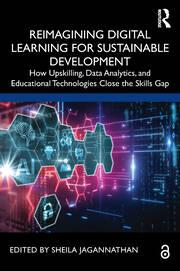
How EdTech Is Revolutionizing Environmental education: Bridging Digital Tools and Sustainability
Introduction
in a world grappling with pressing environmental challenges—from climate change to biodiversity loss—empowering the next generation with robust environmental literacy is more vital than ever. Enter EdTech (Educational Technology): a game-changing ally that’s reimagining how we teach and learn about sustainability. By merging digital tools like interactive apps,video platforms,and virtual simulations with comprehensive environmental curricula,EdTech makes learning about sustainability interactive,accessible,and impactful. In this article, we’ll explore how EdTech is revolutionizing environmental education, bridge the gap between technology and eco-awareness, and share practical tips and case studies to inspire educators and learners alike.
The Conversion of Environmental Education Through EdTech
Traditional methods of teaching environmental studies often rely on textbooks, lectures, and limited field visits. While these methods have laid a solid foundation, they can fall short in fostering active engagement and deep understanding, especially among today’s digitally native students.
Key Ways EdTech is Transforming Sustainability Learning
- interactive Learning Experiences: Tools like gamified quizzes, augmented reality (AR), and virtual reality (VR) simulations allow students to immerse themselves in ecosystems and witness environmental changes in real time.
- Global Collaboration: EdTech platforms enable classrooms to connect with peers worldwide, fostering cross-cultural discussions on climate issues and conservation.
- Personalized Content: AI-powered learning systems tailor sustainability lessons to individual interests, readiness levels, and pace, ensuring maximum comprehension.
- Data-Driven Insights: Digital platforms provide measurable insights into student progress, interests, and knowledge gaps, allowing educators to refine their sustainability curricula.
- resource Accessibility: Students can access a wealth of free, up-to-date multimedia resources, interactive maps, and citizen science projects from anywhere, anytime.
Benefits of Integrating EdTech into Environmental Education
The convergence of digital innovation and sustainability studies isn’t just a technological leap—it’s a pedagogical revolution. Here are the core benefits of using EdTech in environmental education:
- Enhanced Engagement and Retention: Using interactive media, VR field trips, and collaborative online projects keeps students motivated and boosts long-term retention.
- Scalable Environmental Outreach: Online platforms amplify educational reach, making it possible for millions to participate in global sustainability challenges and initiatives.
- Continuous Curriculum Updates: Digital tools allow real-time updates to environmental data, ensuring learners always have access to current data and research.
- encouragement of Critical Thinking: Simulations and scenario-based learning empower students to explore cause-and-effect relationships and make informed eco-friendly choices.
- Promotion of Lifelong Eco-Literacy: EdTech’s accessibility fosters continuous engagement, encouraging ongoing learning about sustainability beyond the classroom.
Practical Tips for Leveraging EdTech in Sustainability Classrooms
Ready to integrate digital tools into your environment and sustainability teaching? Here are actionable tips for educators and programs:
- Start Small: Use free resources like TED-Ed, NASA’s Earth Science apps, and open-source climate data portals to supplement core lessons.
- Utilize Gamification: Platforms like EcoChallenge, Kahoot!, and Minecraft: education Edition motivate students through friendly competition and hands-on activities.
- Integrate Citizen Science projects: tools such as iNaturalist or Zooniverse enable students to engage in real-world data collection and analysis.
- Incorporate Virtual Field Trips: Bring the Amazon Rainforest or the Great Barrier Reef to your classroom with VR apps and 360-degree video tours.
- Foster Collaboration: Use discussion boards,online debates,and group activities on platforms like Google Classroom or Microsoft Teams to spark global conversations.
- Track Progress with Analytics: Use EdTech reporting features to monitor student understanding and beliefs about sustainability,enabling data-driven teaching improvements.
Case Studies: EdTech Bridging the Gap in Environmental Education
1. Global Learning Through Earth School (UN Environment Program & TED-Ed)
Earth School offers more than 30 interactive lessons, video stories, and global challenges aimed at deepening students’ understanding of sustainability. The platform’s digital-first approach makes eco-lessons accessible to millions across the globe, linking science and real-world action.
2. Interactive local Stewardship via Eco-Schools
Eco-Schools empowers students to lead sustainability audits and green initiatives within their own communities, guided by digital toolkits and reporting apps. The program boasts measurable impact, with thousands of schools worldwide reducing resource use and improving biodiversity thanks to EdTech-enabled tracking.
3.Gamified Climate Actions with Minecraft Education Edition
Minecraft’s Education Edition delivers immersive sustainability challenges, teaching students about ecosystem restoration and climate adaptation through dynamic, gamified modules. The outcome? Increased participation and deeper conceptual understanding of environmental systems.
First-Hand Experience: EdTech in the Sustainability Classroom
Many educators who’ve adopted EdTech solutions describe a marked transformation in teaching style and student outcomes.Consider this experience from a science teacher in California:
“Our sixth-grade sustainability curriculum shifted dramatically with the introduction of VR simulations and interactive climate maps. Students who were once disengaged became eager participants—sharing data,collaborating on digital projects,and even leading class discussions about local eco-concerns. EdTech didn’t just provide new resources—it fundamentally changed the way we approach environmental learning.”
Such testimonials underscore the notable positive effect that digital tools have on making environmental education more interactive, inclusive, and action-oriented.
Challenges and considerations
While EdTech offers remarkable opportunities, educators and institutions should also address common challenges:
- Digital Equity: Ensuring all students have reliable devices and internet access is critical for maximizing EdTech’s benefits.
- Curriculum Alignment: Digital content should complement, not replace, hands-on and field-based learning experiences.
- Privacy and Data Security: Select platforms that safeguard student privacy and comply with educational data protection standards.
Proactive planning and thoughtful tool selection help mitigate these obstacles, ensuring technology enhances rather than detracts from environmental education.
Conclusion: EdTech as a Catalyst for Eco-Literacy
The synergy between EdTech and environmental education is reshaping how learners engage with sustainability—driving awareness,participation,and actionable change at every level.By harnessing digital tools, educators can create immersive, personalized, and globally connected learning experiences that transcend traditional classroom boundaries. As new challenges arise in the fight for our planet’s future, EdTech stands as a vital bridge between knowledge, passion, and impactful action. For forward-thinking schools, teachers, and students, embracing this revolution is not just an opportunity—it’s a necessity in building a more enduring world.
Ready to amplify your impact? Integrate EdTech into your sustainability curriculum today, and become part of the growing movement toward environmental stewardship and digital innovation.