
—
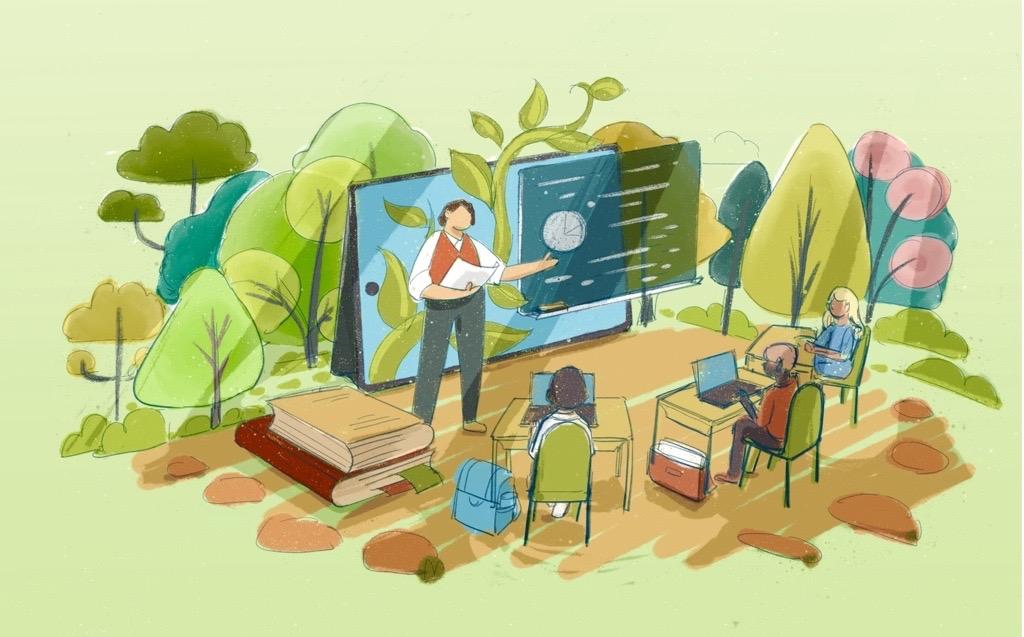
How EdTech Is Revolutionizing Environmental Education: Bridging Technology and Green Learning
In an era defined by rapid technological progression and rising environmental challenges, innovative solutions are more important than ever. EdTech, the fusion of education with cutting-edge technology, is making waves in academic circles—and it’s leaving an indelible mark on environmental education. But how exactly is EdTech transforming green learning? Let’s explore how digital tools, interactive platforms, and virtual experiences are shaping the next generation of eco-conscious citizens.
the Digital Evolution of Environmental Education
Traditionally, environmental education relied on in-class lectures, textbooks, and occasional field trips. While effective, these methods frequently enough fell short in:
- Making complex environmental topics accessible
- Connecting students globally
- Providing real-time data and updates
Enter educational technology (EdTech), which bridges these gaps and redefines how students engage with green learning. Today’s educators are leveraging online platforms, gamified applications, interactive simulations, and mobile resources to teach climate science, sustainability, and conservation more powerfully than ever before.
Benefits of EdTech in Environmental Education
1. Improved Engagement and Accessibility
- Interactive Learning: Tools like virtual labs and educational games make abstract concepts tangible, fostering better understanding.
- Global Access: EdTech enables remote and underserved communities to access quality environmental education from anywhere.
- Inclusive learning: Multilingual platforms and adaptive technologies cater to diverse learners, ensuring education equity.
2. real-Time Data and Up-To-Date Content
- Access to Current Research: digital platforms frequently update resources, keeping lessons relevant.
- Data-Driven Decision Making: Students can analyze real-time environmental data through dashboards and apps, connecting theory with practice.
3. Life-Like Simulations and virtual Field Trips
- Immersive Experiences: VR and AR tools let students explore biomes, ecosystems, and climate scenarios without leaving their classroom.
- Cost-effective exploration: Schools save on travel, making field trip experiences affordable and scalable.
4. Collaboration and Community Building
- Online forums & Projects: Platforms like Google Classroom and Moodle encourage teamwork, allowing students to tackle global sustainability challenges together.
- Connecting Classrooms Globally: Students from different countries collaborate, fostering a real sense of global stewardship.
5. Sustainable Practices Through EdTech
- Paperless Classrooms: Digital resources minimize paper waste, aligning daily learning with eco-friendly principles.
- Cloud-Based Sustainability Education: Resource sharing decreases carbon footprint arising from physical book shipping and travel.
Practical tips for Implementing EdTech in Green Learning
- Start Small: Introduce a few digital tools—such as climate data apps or environmental quizzes—to supplement customary lessons.
- Leverage Open Educational resources (OER): Use free digital libraries and platforms dedicated to environmental education, such as NASA Climate kids or National Geographic learning.
- Integrate Gamification: Incorporate leaderboard quizzes and interactive challenges to stimulate engagement—for example, “Reduce Your Carbon Footprint” games.
- Host Virtual Guest Speakers: Invite eco-experts and scientists to speak with students via Zoom, expanding access to leading voices and fresh ideas.
- Promote Hands-On Digital Projects: Assign students to track their own energy usage, recycling habits, or local wildlife through mobile reporting apps.
Case Studies: EdTech Transforming Environmental Education
1. Earth School by UNEP and TED-Ed
Launched in 2020, Earth School harnesses digital storytelling, interactive lessons, and classroom collaboration to make environmental education engaging, especially during remote learning periods. Over 30 million students have participated, accessing over 30 online quests on biodiversity, climate action, and pollution reduction.
2. Eco-Schools Digital Dashboard
This platform empowers students to monitor real-time environmental metrics—water quality, energy use, and waste management—within their school. classes compete in friendly challenges, fostering sustainable habits while using cutting-edge technology.
3. NASA’s GLOBE Program
The GLOBE Program invites students worldwide to contribute environmental observations (soil, water, air quality) via a mobile app. These citizen-science contributions help NASA scientists monitor climate trends, making students active, valuable contributors to global research.
4. VR Coral Reef Exploration
Several schools have integrated virtual reality modules for marine science, letting students “dive” into coral reefs and assess the impacts of pollution or climate change in immersive, hands-on ways. Teachers note higher engagement and retention rates compared to textbook learning alone.
First-hand Experiences: Teachers and Students Share
“Before EdTech, teaching climate change felt abstract—students struggled to see the impact. Now,with VR and interactive data dashboards,they’re not just learning about pollution—they’re solving real problems in our community!”
— michelle,Middle School Science Teacher
“Tracking my own carbon footprint on my phone helped me see how daily choices add up. I started biking to school, recycling more, and even helped my family install solar panels!”
— Jaden, high School Student
Such testimonials highlight how EdTech tools empower learners to become proactive stewards of the habitat, bridging lessons and transformative action.
Challenges and Considerations in Digital Green Learning
Integrating edtech in environmental education isn’t without hurdles:
- Digital divide: Access to modern devices and reliable internet can be limited in some communities, risking inequality.
- Screen Time Balance: There’s a need to blend digital learning with outdoors experiences to prevent excessive screen usage.
- Curriculum Alignment: It’s essential to ensure EdTech tools align with eco-curricular goals and national standards.
Careful planning and inclusive strategies can address these challenges, ensuring that technology genuinely enhances—and doesn’t replace—the vital connection between students and the natural world.
Conclusion: The Future of EdTech in Environmental Education
EdTech is revolutionizing environmental education,making green learning more interactive,accessible,and impactful than ever before.By bridging technology with sustainability, educators can inspire future leaders who are equipped to address tomorrow’s environmental crises.Whether through virtual field trips, real-time data analysis, or global classroom collaboration, technology empowers students to understand, care for, and act on behalf of our planet.
For schools, teachers, and learners, now is the perfect time to embrace EdTech solutions for environmental education. The synergy between digital innovation and eco-consciousness is more than a trend—it’s the blueprint for building a greener, smarter future. Let’s harness the power of technology and nurture a generation ready to protect the Earth.
Related Keywords: EdTech in environmental education, digital green learning, technology in sustainability education, virtual field trips, interactive environmental lessons, online eco-learning, green classroom technology, environmental education tools, global environmental collaboration
—