
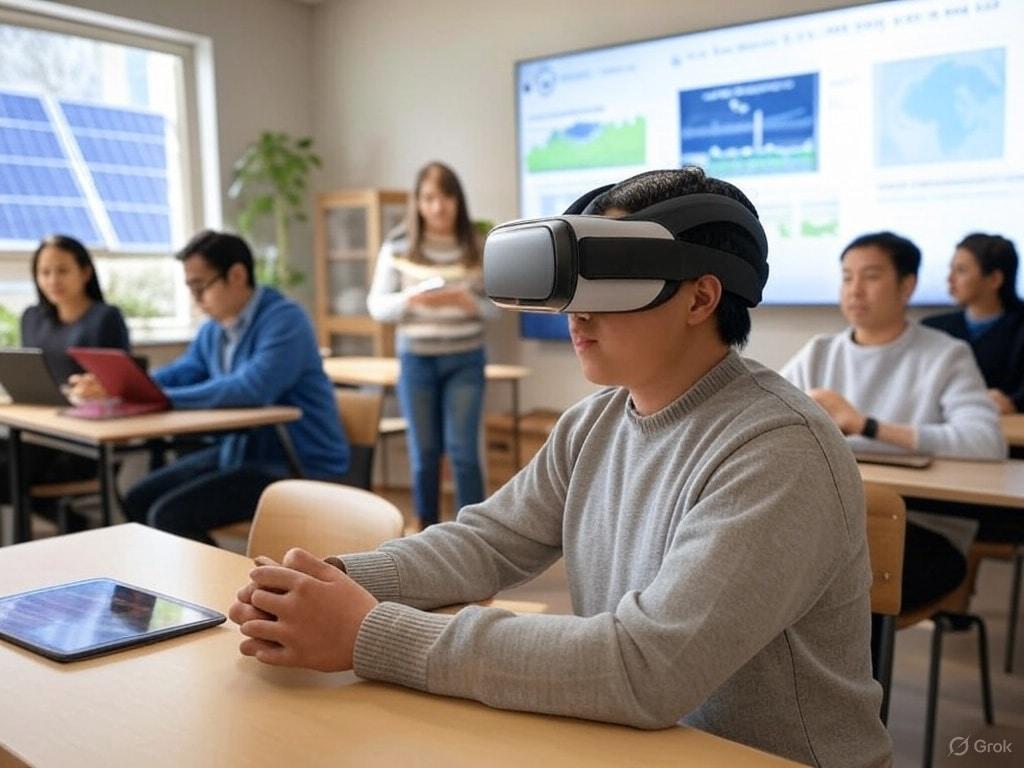
How edtech is Revolutionizing Environmental Education: exploring the Impact and Opportunities
Environmental education has never been more crucial than it is today. As climate change, biodiversity loss, and pollution threaten our planet, empowering learners with ecological knowledge and lasting values is becoming a global priority. Fortunately, education technology—also known as EdTech—is redefining the way students, teachers, and lifelong learners engage with environmental issues. In this comprehensive guide, we’ll explore how EdTech is revolutionizing environmental education, highlight practical opportunities, and share inspiring real-world case studies.
Understanding EdTech and Its Role in Environmental Education
EdTech refers to the integration of digital technology, tools, and innovative methodologies to enhance teaching and learning experiences. Within the context of environmental education, EdTech connects learners to global scientific resources, interactive tools, and real-time data, facilitating immersive and impactful experiences.
- Digital Platforms: Online courses, e-learning modules, and digital textbooks.
- Interactive technologies: Virtual reality (VR), augmented reality (AR), and gamification.
- Remote Collaboration: Video conferencing, cloud-based projects, and online communities.
- Data Analytics: Access to current ecological data for research and analysis.
The Impact of EdTech on Environmental Education
The impact of EdTech extends far beyond accessibility; it fundamentally changes the way environmental knowledge is delivered, understood, and acted upon. Let’s explore the key ways EdTech is making a difference:
1. Global Accessibility and Inclusion
-
Digital environmental education resources are accessible anywhere, bridging gaps for rural and underserved communities.
-
Students can access world-renowned ecological experts and programs nonetheless of their location.
-
Multilingual digital platforms break down language barriers in environmental education.
2. Interactive and Immersive Learning
-
VR and AR tools recreate ecosystems and endangered habitats, allowing learners to “visit” rainforests, coral reefs, and polar regions in real time.
-
Gamified platforms engage younger audiences, turning sustainability challenges into interactive quests.
-
Simulations demonstrate the outcomes of environmental policies and human impacts, leading to deeper understanding.
3. Real-Time Data and Citizen Science
-
EdTech platforms facilitate access to up-to-date environmental data from satellites, weather stations, and sensors.
-
citizen science apps empower students to contribute to biodiversity surveys, pollution tracking, and climate monitoring.
4. Project-Based and Collaborative Learning
-
Students can work together on environmental projects across borders, sharing solutions and learning from diverse perspectives.
-
Cloud-based tools enable seamless collaboration on sustainability initiatives and group research.
Benefits of Leveraging EdTech in Environmental Education
- Personalized Learning: Adaptive learning platforms tailor content to each learner’s needs and pace.
- Scalability: Reach thousands—even millions—of learners without the limitations of traditional classroom walls.
- Engagement: Interactive media and gamification make learning about environmental issues more exciting and memorable.
- Immediate Feedback: Online quizzes and assessments provide real-time insights for learners and educators.
- Continuous Professional Development: Teachers stay updated on the latest best practices in environmental education via webinars and MOOCs (Massive Open Online Courses).
- Encourages Critical Thinking: Access to real-world scenarios and data analysis fosters problem-solving skills.
Practical Tips for Educators: Integrating EdTech into Environmental Learning
- Start with Interactive Lessons: Incorporate videos, quizzes, and multimedia presentations about current ecological issues.
- Leverage Citizen Science platforms: Encourage student participation in projects like iNaturalist or Zooniverse for real environmental data collection.
- Introduce VR Field Trips: Use VR headsets or simple 360° video platforms to allow virtual exploration of endangered habitats or local ecosystems.
- Create Collaborative Online Projects: Empower students to develop awareness campaigns or model eco-friendly policies using cloud-based tools like Google Workspace or Microsoft Teams.
- Use Environmental Simulation Games: Platforms like En-ROADS Climate Solutions Simulator help users test policy outcomes and better understand global challenges.
Case Studies: EdTech in Action for Environmental Education
Green school,Bali: A Model for Sustainable,Tech-driven Learning
The renowned Green School in Bali,Indonesia,integrates digital platforms and renewable energy monitoring systems throughout its eco-friendly campus. Students use interactive dashboards to track real-time energy consumption and solar panel output, creating actionable lessons on electricity, sustainability, and community impact.
iNaturalist: Empowering Global citizen Science
The iNaturalist app enables students and teachers worldwide to record wildlife observations and contribute to biodiversity data. Schools organise “bioblitzes,” engaging students in local species identification and conservation initiatives.
NASA GLOBE Program: Connecting Classrooms to Earth Science
With the GLOBE Program, teachers access NASA’s earth observation data, interactive visualizations, and experiment protocols. Students worldwide participate in authentic scientific research, submit climate data, and collaborate on ecological projects.
Opportunities and Future Directions for EdTech in Environmental Education
As technological innovation accelerates, so do opportunities for transforming how environmental education is delivered. here are some promising trends to watch:
- AI-Powered Adaptive Learning: Artificial intelligence systems will deliver personalized environmental learning experiences, adapting to each user’s interests and progress.
- Blockchain for Credentialing: secure, blockchain-powered certificates will validate eco-competencies and environmental stewardship in students.
- Global Classroom Networks: International collaborations will grow, connecting students and teachers worldwide to tackle sustainability challenges together.
- Augmented Reality Field Studies: Enhanced AR apps will make field research and ecological monitoring more engaging and accessible, even in urban classrooms.
Conclusion
The intersection of EdTech and environmental education is unleashing a wave of innovation,engagement,and empowerment. With interactive tools,global accessibility,and real-time data at their fingertips,learners of all ages can develop the knowledge,skills,and passion needed to tackle today’s environmental challenges. As educators, institutions, and policymakers continue to embrace educational technology, the opportunities to inspire stewardship and shape a more sustainable future have never been greater.The journey is just beginning—let’s embrace the revolution and nurture the next generation of eco-leaders.