
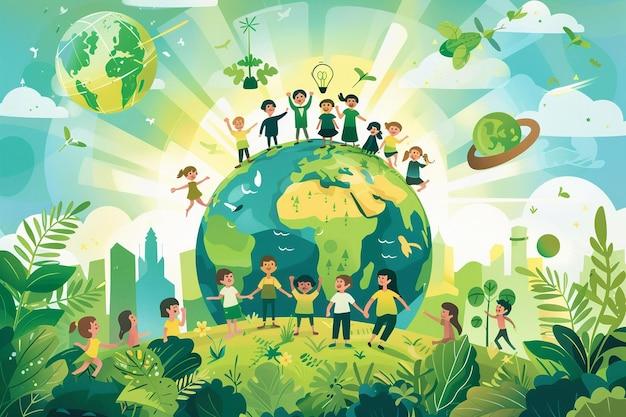
How EdTech is Revolutionizing Environmental Education: Exploring the Intersection for a Sustainable Future
introduction: Why EdTech and Environmental Education Matter
In an era shaped by rapid technological advancements and growing environmental concerns, the intersection of EdTech and environmental education has emerged as a beacon for a more sustainable future. From interactive platforms to gamified learning experiences, educational technology (EdTech) is transforming how students engage with pressing global issues like climate change, conservation, and sustainability. But what exactly is fueling this revolution,and how can educators harness the power of digital tools for impactful environmental learning? In this article,we’ll dive deep into the innovative ways EdTech is redefining environmental education,highlight practical benefits and tips,and present inspiring real-world examples.
the Rise of EdTech in Environmental Education
EdTech—short for educational technology—refers to the use of digital tools and resources to facilitate and enhance learning. When applied to environmental education, EdTech brings interactive learning, multimedia resources, and data-driven insights into classrooms (both physical and virtual) worldwide. Here’s how this intersection is creating unprecedented opportunities:
- Fostering real-time access to up-to-date environmental data
- Providing hands-on, experiential learning through digital simulations
- Connecting students globally to share solutions and perspectives
- Empowering educators with adaptive curriculums and analytics
these innovations are helping build the next generation of environmentally conscious citizens—critical for the planet’s future.
Key Benefits: How EdTech Transforms Environmental Learning
Integrating EdTech in environmental education isn’t just about convenience—it amplifies the impact and reach of sustainability initiatives. Here’s a closer look at the transformative benefits:
1. Enhanced Engagement and Motivation
- Immersive Experiences: Tools such as augmented reality (AR) and virtual reality (VR) let students “visit” rainforests or dive into coral reefs, making abstract concepts tangible.
- Gamification: Interactive quizzes, competitions, and eco-challenges motivate students to learn about topics such as recycling, biodiversity, or carbon footprints.
2. Personalized Learning Journeys
- Adaptive Platforms: AI-powered platforms analyze student progress and provide customized resources and assignments.
- Inclusive content: Multi-language support and accessibility features ensure everyone can participate in environmental initiatives.
3. Real-World Application and Problem Solving
- Data Collection & Analysis: IoT sensors, apps, and citizen science projects help students collect and analyze local environmental data, fostering skills in inquiry and evidence-based decision-making.
- Project-Based Learning: Platforms promote collaboration through global sustainability projects—such as tracking energy usage on campus or developing community gardens.
4. Scalability and Accessibility
- global Reach: Remote learning platforms cross geographical barriers, delivering quality environmental education worldwide—even to the most underserved communities.
- Resource Sharing: Open educational resources (OERs), webinars, and e-books provide educators with an ever-expanding library of up-to-date materials.
Cutting-Edge EdTech Tools for Environmental Education
Curious about the top technologies revolutionizing the green classroom? Here are some standout edtech tools that are making environmental education interactive,engaging,and effective:
- Virtual Labs: Simulate environmental experiments (e.g., measuring pH, exploring ecosystems) without physical materials—safe, scalable, and sustainable.
- Interactive Maps & Geo-Tools: Geographic Information Systems (GIS) apps and satellite imagery empower students to analyze climate patterns, deforestation, or pollution hotspots.
- Online Sustainability Games: Platforms like Minecraft: Education Edition or ECO let students build virtual sustainable cities or manage ecosystems, merging play with eco-literacy.
- Cloud-Based Collaboration: Platforms like Google Workspace, Padlet, or Trello facilitate group projects and environmental campaigns across classrooms or continents.
- AR/VR Expeditions: Google Expeditions and similar platforms transport students to rainforests, glaciers, or endangered habitats via immersive 360° tours.
- Smart Sensors & Citizen Science Apps: Apps like iNaturalist or ClimateWatch allow students to document and analyze local biodiversity and contribute to global datasets.
Case Studies: EdTech in Action for a Sustainable Future
Real-world success stories highlight the impact of EdTech-driven environmental education. Let’s explore a few inspiring examples:
#1: Eco-Schools and Digital Environmental Stewardship
Eco-Schools, the largest global sustainable schools program, uses online platforms for students to track sustainability performance, collaborate on climate action, and receive Green Flag awards. digital dashboards empower schools to monitor recycling rates, energy usage, and carbon footprints, fostering a culture of shared responsibility.
#2: Minecraft’s Sustainable City Challenge
Minecraft: Education Edition has partnered with UNESCO and WWF to create climate-themed lessons and challenges, such as building renewable energy plants or designing eco-amiable cities. This gamified platform has inspired millions of young learners to think critically and creatively about urban sustainability.
#3: Augmented Reality Expeditions in Australia
In australia, schools have adopted AR platforms to teach students about coral bleaching on the Great Barrier Reef. With virtual field trips, learners “dive” underwater, observe marine life, and understand human impacts—all without leaving the classroom.
Practical Tips: Integrating EdTech in Environmental Education
Ready to leverage EdTech for greener, more impactful lessons? Here are a few practical strategies for educators, schools, and program organizers:
- start Simple: Begin with free or low-cost EdTech tools. Try interactive quizzes (Kahoot!), student blogs, or downloadable lesson plans before adopting advanced platforms.
- Encourage Participation: Give students a voice—let them choose topics, design experiments using local data, or create multimedia projects on sustainability issues.
- Collaborate Globally: Join worldwide programs (e.g., Eco-Schools, Climate Classroom Kids) to connect with peers in different countries and tackle global challenges together.
- Integrate Across Subjects: Link environmental themes to science, geography, arts, and even language classes to enrich learning and foster cross-disciplinary thinking.
- Pursue Ongoing Professional Progress: Stay updated with webinars, workshops, and EdTech news from reputable sources such as ISTE, EdSurge, or UNESCO.
- Prioritize Data Privacy: Evaluate platforms for compliance with data security standards to keep student information safe.
Challenges and Future Directions
Despite its vast potential, the intersection of EdTech and environmental education faces several hurdles:
- Digital Divide: Not all learners have equal access to reliable internet or devices, possibly widening educational gaps.
- Educator Training: Teachers require ongoing support to confidently integrate new technologies into thier curricula.
- Content Relevance: Customizing global EdTech resources for local environmental issues remains a challenge.
The future looks promising as initiatives to bridge the digital divide, locally adapt resources, and upskill educators gather momentum. partnerships between governments, NGOs, and technology providers will be key to scaling impact for a sustainable, tech-enabled world.
Conclusion: Shaping tomorrow’s Environmental Leaders Today
EdTech is revolutionizing environmental education—making learning about sustainability more accessible, interactive, and impactful than ever before. By blending innovative technologies with real-world context, educators and learners alike are empowered to drive meaningful change for the planet. Whether you’re a teacher, student, environmental advocate, or policy maker, seizing the opportunities at this intersection is an investment in a greener, brighter future. Let’s harness the power of edtech to nurture environmentally conscious citizens—protecting our world for generations to come.
Ready to get started? Explore the recommended tools, strategies, and communities above, and join the movement transforming environmental education for a sustainable tomorrow.