
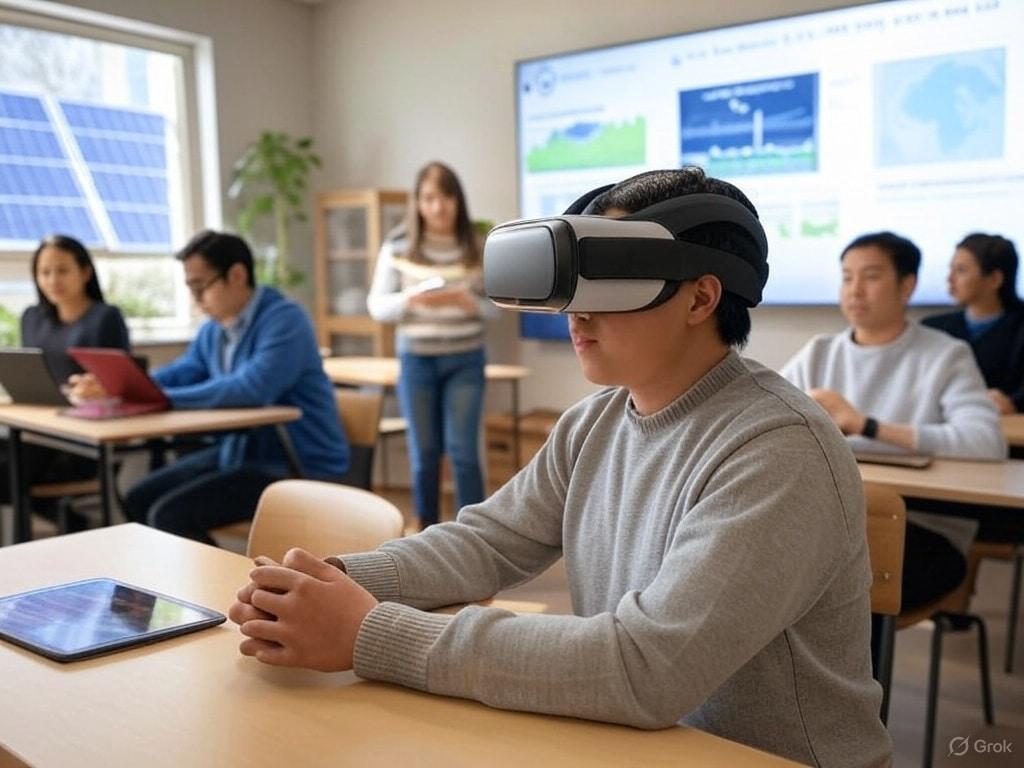
How EdTech is Revolutionizing Environmental Education: Innovations at the Intersection of learning and Sustainability

In today’s rapidly changing world, the need for robust environmental education has never been greater. With challenges like climate change,deforestation,and pollution threatening our planet,it’s crucial that learners across all ages understand the importance of sustainability. Enter EdTech—a powerful force that’s revolutionizing the way we teach and learn about environmental issues.From immersive virtual experiences to data-driven sustainability curricula, the intersection of education technology and environmental awareness is shaping the next generation of eco-conscious citizens.
What is EdTech in Environmental Education?
EdTech, short for Education Technology, refers to the use of technology—such as digital platforms, apps, virtual classrooms, interactive modules, and online resources—to enhance the teaching and learning process. Environmental education, meanwhile, aims to develop awareness, knowledge, and skills necessary for individuals to promote sustainable living and responsible stewardship of natural resources.
The fusion of these two fields has led to a dynamic movement where digital innovation is making sustainability education more interactive, accessible, and effective than ever before.
Key Innovations at the Intersection of Learning and Sustainability
Let’s explore some of the ground-breaking ways EdTech is revolutionizing environmental education:
- Gamified Sustainability Learning: Educational apps and games are engaging students in environmental science topics, making learning fun while promoting eco-amiable habits.
- Virtual and Augmented Reality (VR/AR): Immersive experiences enable students to explore coral reefs, rainforests, and arctic tundras, fostering empathy and understanding of global environmental challenges.
- Online Collaboration and Global Classrooms: Digital platforms connect learners and educators worldwide for collaborative projects,citizen science,and problem-based learning focused on sustainability.
- Data-Driven Environmental Monitoring: tools and apps empower students to track energy usage, monitor local habitats, and analyze real-time environmental data.
- Open Educational Resources (OER): Freely accessible digital curricula and resources ensure equitable access to up-to-date climate science and sustainability content.
Benefits of Using EdTech in Environmental Education
Integrating EdTech into environmental education brings a host of advantages.Here’s why adopting tech-enhanced learning for sustainability is a game-changer:
- Wider Reach & Accessibility: Online tools break geographical barriers, making high-quality environmental education accessible to rural and underserved communities.
- Personalized learning: Adaptive EdTech platforms track individual progress and provide tailored content to meet diverse learner needs, improving engagement and retention.
- Experiential Learning: Simulations and VR/AR environments promote hands-on,real-world understanding of ecological concepts,leading to deeper learning outcomes.
- Fostering Global Citizenship: By connecting students worldwide, EdTech cultivates empathy, cross-cultural understanding, and global action toward sustainability.
- Scalable Impact: Digital platforms allow educators to share successful programs and best practices, amplifying the impact of sustainability education efforts.
Real-Life Case Studies: EdTech in Action for Sustainability
- Earth School by TED-ed & UNEP: This free online platform delivers daily lessons, quizzes, and interactive videos to teach students about climate science, nature, and sustainable solutions, reaching millions worldwide.
- ECO Schools Program: Leveraging digital monitoring tools and online collaboration, schools in 68+ countries share best practices, track progress on sustainability initiatives, and earn digital certification badges.
- Google Earth Voyager: Teachers use this platform to guide students through visually immersive stories on environmental change, biodiversity, and conservation success stories around the globe.
- iNaturalist: This citizen science app encourages learners to document biodiversity in their local communities, turning smartphones into ecological survey tools and contributing to global research databases.
Practical Tips for Educators to Incorporate EdTech in Environmental Learning
- Start with Free Digital Resources: Explore platforms like National Geographic Education, EcoSchools, or NASA Climate Kids for ready-to-use lessons and virtual field trips.
- Bring in Gamification: Use sustainability-focused web games like Mission 1.5 (by the United Nations) or WWF Free Rivers to inspire eco-friendly challenges in your classroom.
- Leverage Real-Time Data: Introduce students to environmental monitoring dashboards or invite them to participate in local citizen science initiatives using mobile apps.
- Embrace Global Connections: Join online sustainability challenges or connect with eco-clubs worldwide via eTwinning, PenPal Schools, or similar platforms.
- Showcase Student Projects: Encourage students to share digital stories, eco-campaigns, or citizen science findings through blogs, podcasts, or video presentations.
Challenges and Considerations in EdTech-Driven Environmental education
While the benefits are considerable, there are also challenges to consider when integrating EdTech for sustainability:
- Digital Divide: Not all students have equal access to devices or reliable internet connectivity. Schools and policymakers must work to bridge these gaps for equitable learning.
- Quality & Credibility: Educators must critically evaluate digital content for accuracy, alignment with standards, and credibility, avoiding misinformation.
- screen Time Balance: Combining digital activities with outdoor, hands-on environmental projects ensures a holistic approach to sustainability education.
- Data Privacy: Protecting student privacy when using online platforms and apps remains a top priority for educators and EdTech providers.
Firsthand Experiences: Voices from the Field
“Using virtual reality, I was able to ‘dive’ with my class to the Grate Barrier Reef. Students were amazed—the experiance brought environmental issues to life in a way books alone never could.”
– Jenna L., 7th Grade Science Teacher
“Our school partnered with a local NGO and used EdTech to track neighborhood pollution levels. Students became citizen scientists, collecting real data and presenting solutions to our town council.”
– Carlos M., high School Environmental Club leader
The Future of Green Education Technology
As technological innovation accelerates, the future of EdTech in environmental education is filled with promise. Augmented reality fieldwork, AI-powered eco-coaching, and blockchain-supported green credentials are on the horizon. Crucially, the focus will remain on empowering students as active problem-solvers and stewards of a more sustainable future.
Conclusion: Empowering The Next Generation of Change-Makers
EdTech is transforming environmental education by making sustainability learning more immersive, accessible, and action-oriented than ever before. By harnessing the latest digital tools, educators can inspire students to think critically, act responsibly, and contribute meaningfully to a greener planet.
Whether you’re a teacher, parent, policy-maker, or learner, embracing EdTech for environmental education is a critical step toward building a sustainable world—one classroom, ecosystem, and innovation at a time.
Keywords: EdTech, environmental education, sustainability learning, education technology, green education technology, digital learning, immersive environmental experiences, sustainable education, gamification in education, student environmental projects