
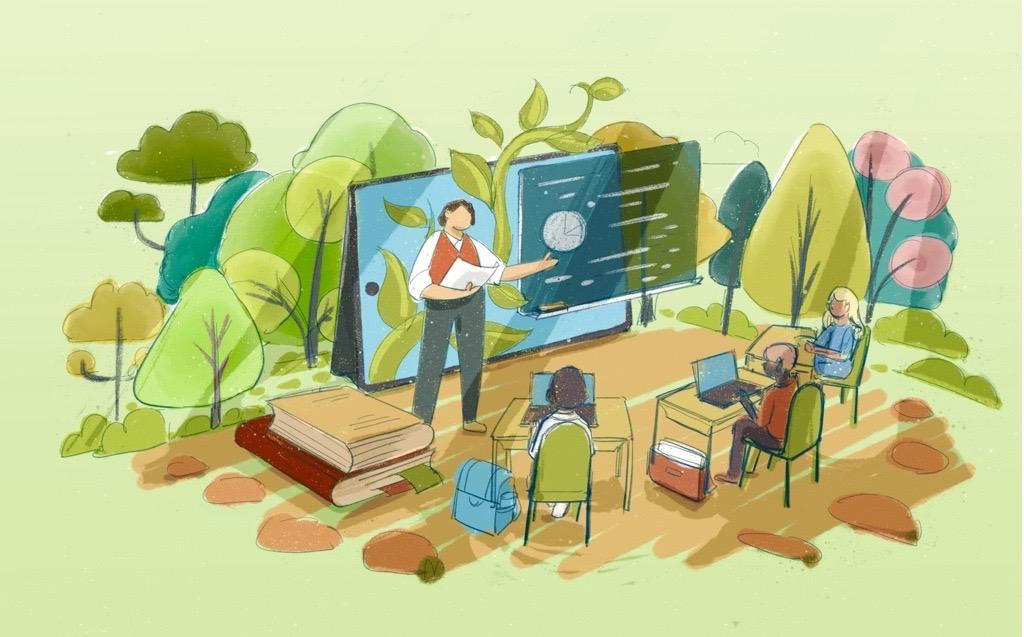
How edtech is Revolutionizing Environmental Education: Innovative Synergies for a Greener Future
Keywords: EdTech, environmental education, technology in education, e-learning, sustainability, green future, digital classrooms, online courses, climate change education, interactive learning.
Introduction: The Green Classroom Goes Digital
In recent years, the synergistic blend of EdTech (Educational Technology) and environmental education has unlocked transformative opportunities for nurturing eco-conscious generations. As society grapples with pressing climate challenges, there’s a surging demand for innovative and scalable methods to teach sustainability, conservation, and ecological stewardship. EdTech is revolutionizing environmental education by making learning interactive, personalized, and accessible from anywhere on the globe.
But how exactly is technology in education catalyzing a greener future? Let’s explore the cutting-edge trends, success stories, and practical approaches in this digital evolution—and how you can become part of the movement!
The Power of EdTech: Transforming Environmental Education
EdTech is more than just digitizing textbooks; it’s about leveraging online platforms, virtual reality, gamification, and artificial intelligence to create immersive and impactful learning experiences. When applied to environmental studies, these tools make complex ecological concepts tangible, inspiring students not just to learn but to act.
Why EdTech Makes a Difference in Environmental Learning
- Accessibility: Digital platforms break geographical barriers, bringing climate change education to rural, urban, and underserved communities alike.
- Engagement: Interactive simulations and multimedia content keep students motivated and curious.
- Real-time Data: Environmental data visualization tools foster deeper understanding of global issues like deforestation, carbon emissions, and biodiversity loss.
- Collaboration: E-learning fosters international dialogue, helping students connect with peers, experts, and activists worldwide.
- Personalization: Adaptive platforms tailor lessons, quizzes, and activities to individual learning paces and interests.
Innovative EdTech Tools Driving Sustainability Education
Let’s take a closer look at some of the most promising EdTech solutions transforming environmental education for students, educators, and lifelong learners:
- Virtual reality (VR) Field Trips: Platforms like Google Expeditions and EcoVR take learners on breathtaking journeys through rainforests, coral reefs, and polar ice caps—no travel required!
- Gamified Learning apps: Apps such as Earth Warriors or WWF’s Free rivers turn sustainability lessons into interactive games, boosting retention and enthusiasm.
- Data Visualization & Citizen Science: Tools like GLOBE Observer and Google Earth Engine empower students to collect, analyze, and interpret real environmental data.
- Online Courses & MOOCs: Coursera,edX,and National Geographic Learning offer self-paced courses on environmental policy,renewable energy,and sustainability practices,making high-quality curricula globally accessible.
- Interactive E-books and Augmented Reality (AR): AR-enabled textbooks bring animal habitats, weather patterns, and cycles of nature to life right on the page.
How these Technologies Support Sustainability Education
“the use of AR and VR allows students to ‘walk’ in the shoes of climate scientists, conservationists, and indigenous people—building empathy and understanding that are essential for real-world change.”
Case Studies: EdTech Innovations in Action
Here are inspiring examples of how EdTech is driving change on the ground:
1. Stack Education’s Project-Based Sustainability learning
- Stack Education integrates digital project-based learning modules into school curriculums,encouraging students to devise practical solutions for waste management,energy use,and water conservation,supported by online mentors and resources.
2. EarthX and Virtual Environmental Conferences
- EarthX, the world’s largest annual environmental expo, pivoted to virtual events during the COVID-19 pandemic, reaching over 500,000 online attendees worldwide and making environmental education more accessible than ever before.
3. Eco-Schools Global Digital Dashboard
- Through a gamified digital dashboard, students across 68 countries track eco-kind activities, earn badges, and monitor their school’s sustainable progress, fostering global participation and healthy competition.
4. National Geographic Education’s Geo-Inquiry Process
- Leveraging GIS (Geographic Information Systems) and collaborative projects, learners are challenged to investigate local and global environmental challenges digitally, blending technology and inquiry-based learning.
Benefits of Integrating EdTech with Environmental Education
- Enhanced Engagement: Interactive content captures attention and encourages sustained interest in sustainability topics.
- Global Perspectives: Digital classrooms enable cross-cultural exchanges on pressing environmental issues, fostering empathy and collaboration.
- Real-World Impact: EdTech platforms allow students to participate in citizen science, environmental activism, and local data collection—translating theory into action.
- Personalized Learning: Adaptive technologies help tailor environmental education to student interests, aptitudes, and real-world contexts.
- Scalability: E-learning content can be deployed instantly, reaching millions without the need for physical infrastructure.
Practical Tips for Educators and Learners
How to Incorporate EdTech in Your Green Classroom
- Start Small: Integrate one interactive app or VR tool at a time to avoid overwhelming students.
- Link to local Issues: Use digital mapping tools to explore environmental challenges in your community.
- Foster Collaboration: Organize group projects that require teamwork via online platforms.
- Stay Updated: Follow leading EdTech blogs, such as Edutopia or EdTech magazine, for the latest tools and best practices.
- Measure Impact: Use built-in analytics or student feedback to gauge what works—and what doesn’t.
Recommended EdTech Resources for Environmental Education
- Climate Interactive
- Learning for Nature (UNDP)
- Khan Academy – Ecology
- Project Noah (Citizen Science)
- FutureLearn – Nature & Environment
First-Hand Experience: Teacher Testimonial
“As a high school science teacher, integrating EdTech tools like VR field trips and online citizen science platforms has completely transformed my students’ understanding of ecology. It’s one thing to read about coral bleaching; it’s another to virtually dive and see it firsthand. This technology isn’t just making learning more fun—it’s creating future environmental leaders.”
— sarah L., Environmental science Teacher, California
Overcoming Challenges: Ensuring Equity and Digital Literacy
Despite its promise, the successful implementation of edtech in environmental education requires addressing key challenges:
- Digital Divide: Not all students have equal access to devices and internet connectivity. Policymakers and NGOs must prioritize digital inclusion.
- Teacher Training: Educators need support and professional advancement to confidently use new technologies in their lessons.
- Information Overload: With countless tools available, curation is crucial to avoid overwhelming both educators and learners.
Working collaboratively, stakeholders can overcome these hurdles to ensure that EdTech-driven environmental education is accessible and impactful for all.
Conclusion: A Greener Tomorrow Starts in today’s Digital classroom
As the world faces urgent environmental challenges, harnessing the power of EdTech in environmental education is more critical than ever. Innovative digital tools—spanning virtual reality, gamification, and global online collaboration—are inspiring action, shaping new eco-leaders, and democratizing access to vital knowledge.
Whether you’re an educator embracing the latest e-learning platform, a student embarking on a virtual eco-expedition, or a parent seeking resources for your children, remember: the synergies between EdTech and environmental education are paving the way for a sustainable, greener future for us all.
Ready to make a difference? Start by bringing interactive, digital sustainability lessons into your classroom or home today—and watch the seeds of change take root.